

One model, built once. Every shoot, forever.
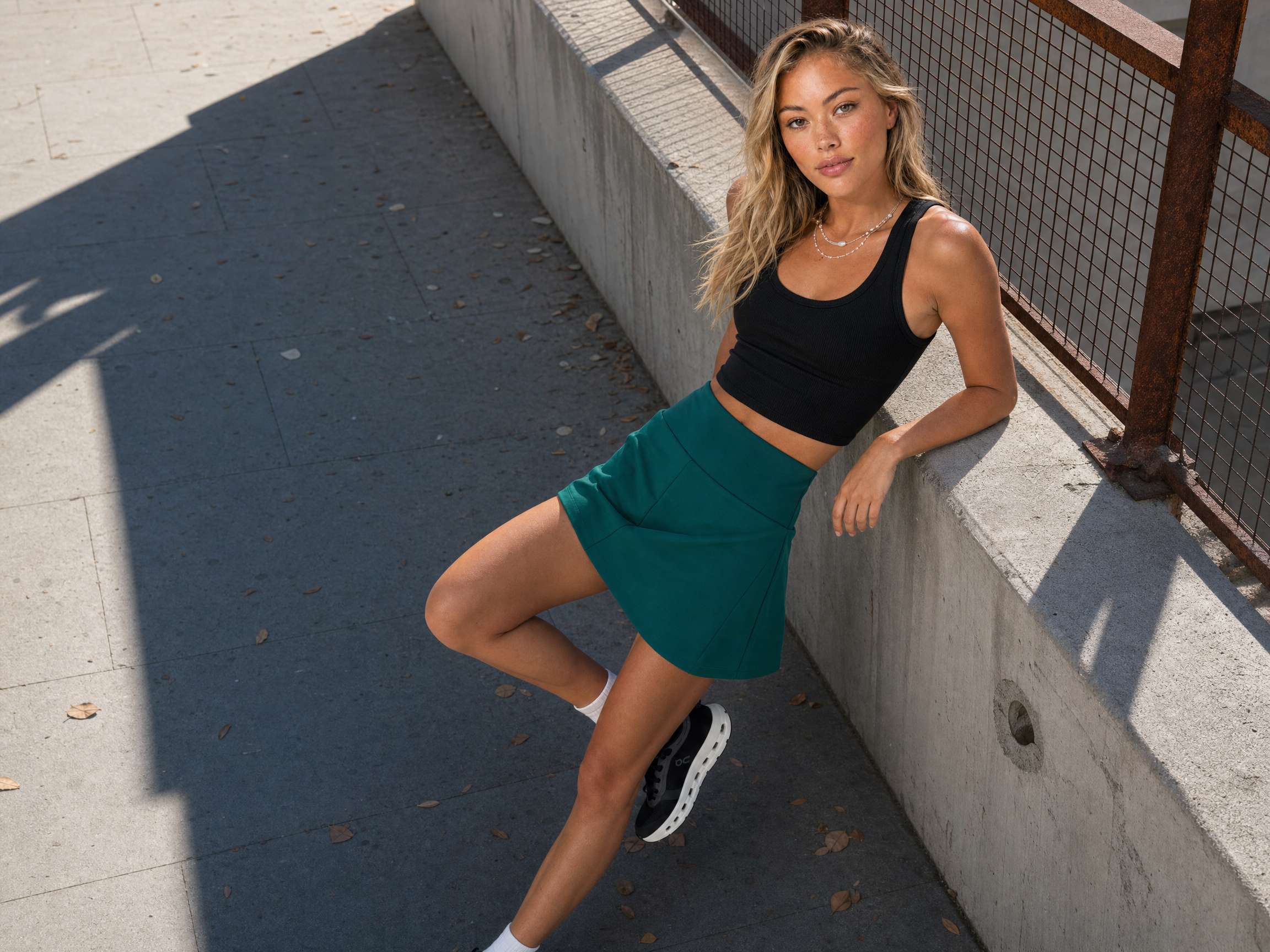
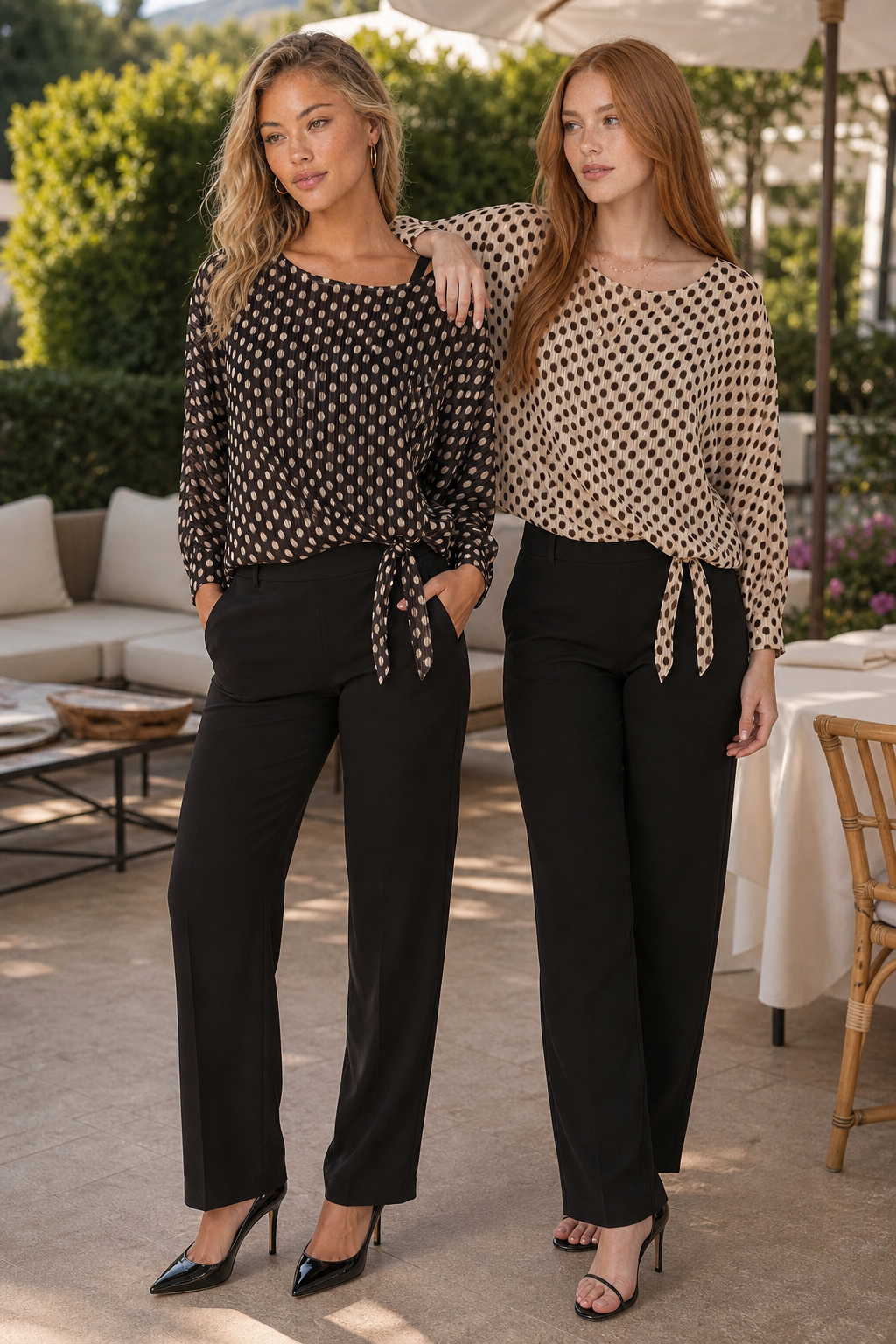
Flashlook isn't a prompt box that guesses a new face every time. It's an AI modeling agency: you cast a model, we lock their identity, and that same model shoots every item you throw at them - clothing, bags, jewelry, fragrance - studio, editorial, lifestyle, on demand.
Three steps to a full shoot
Build or pick a model
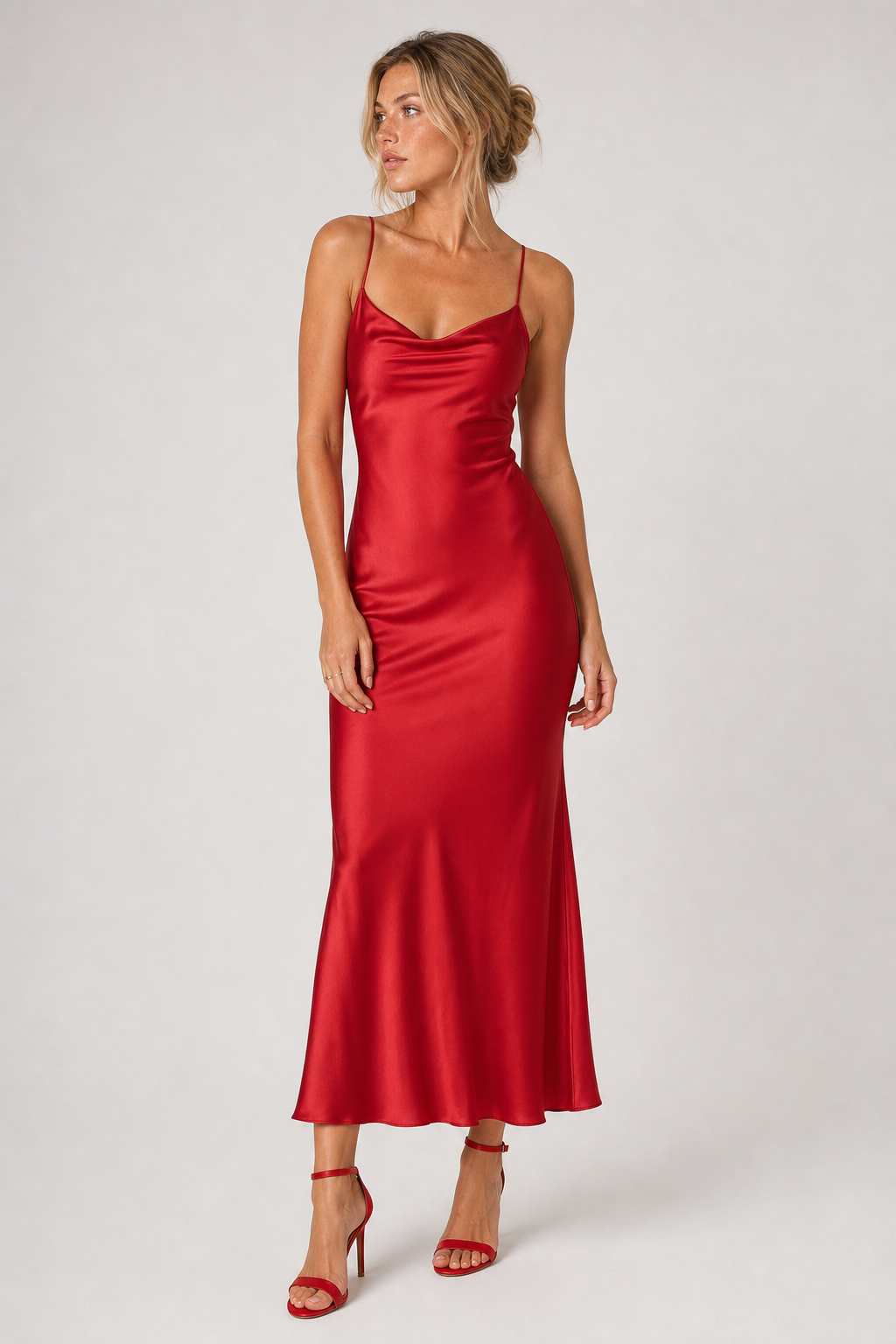
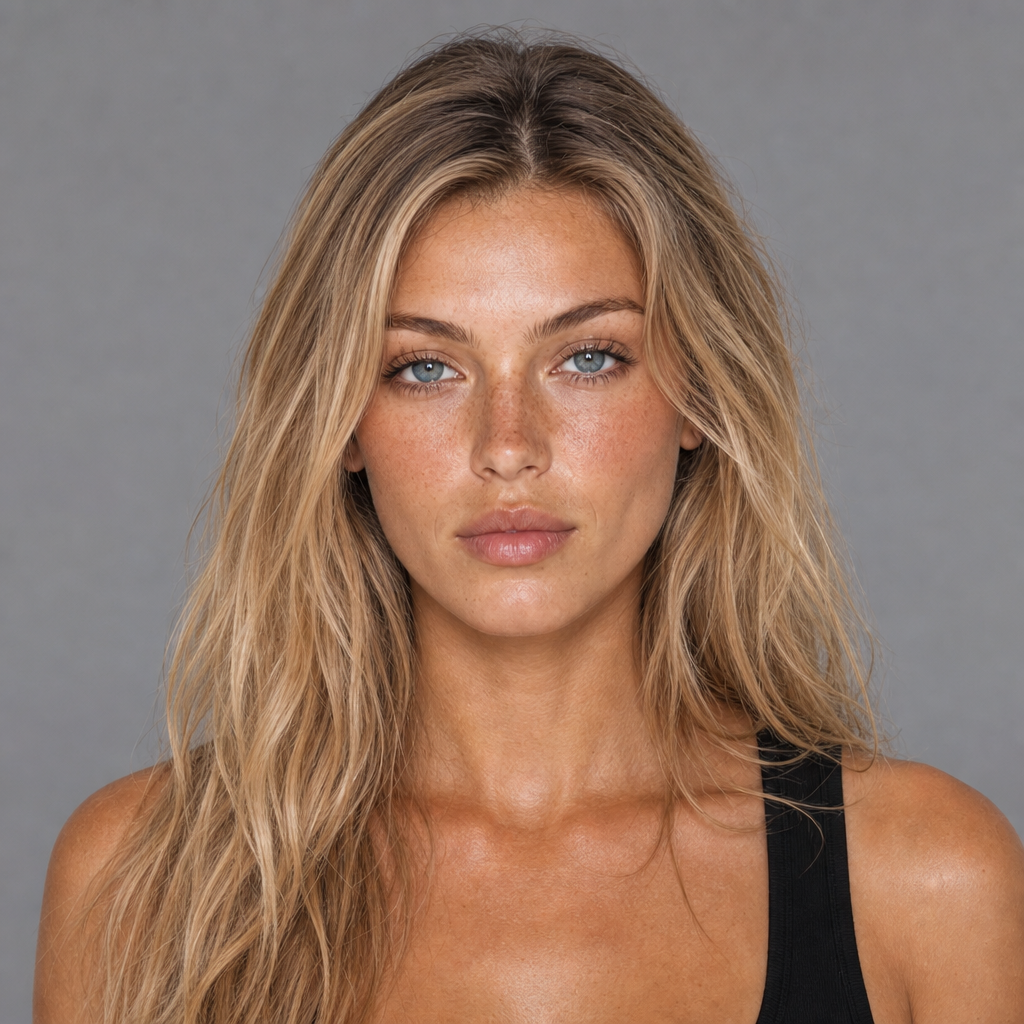
Customize skin, hair, face and body in the builder - or pick an existing model from our library and go straight to shoots. Live preview shows the real result, not a game avatar.

Hair color
Blonde
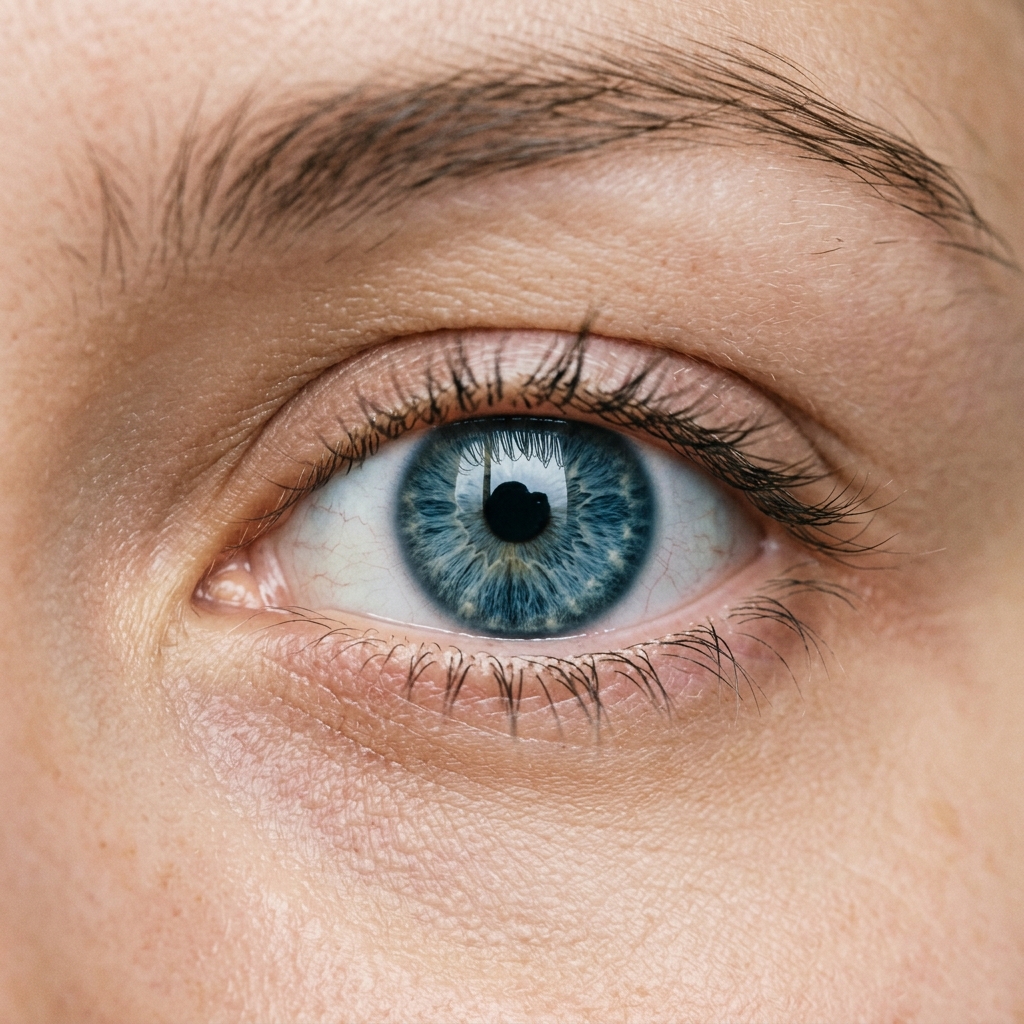
Eye color
Blue
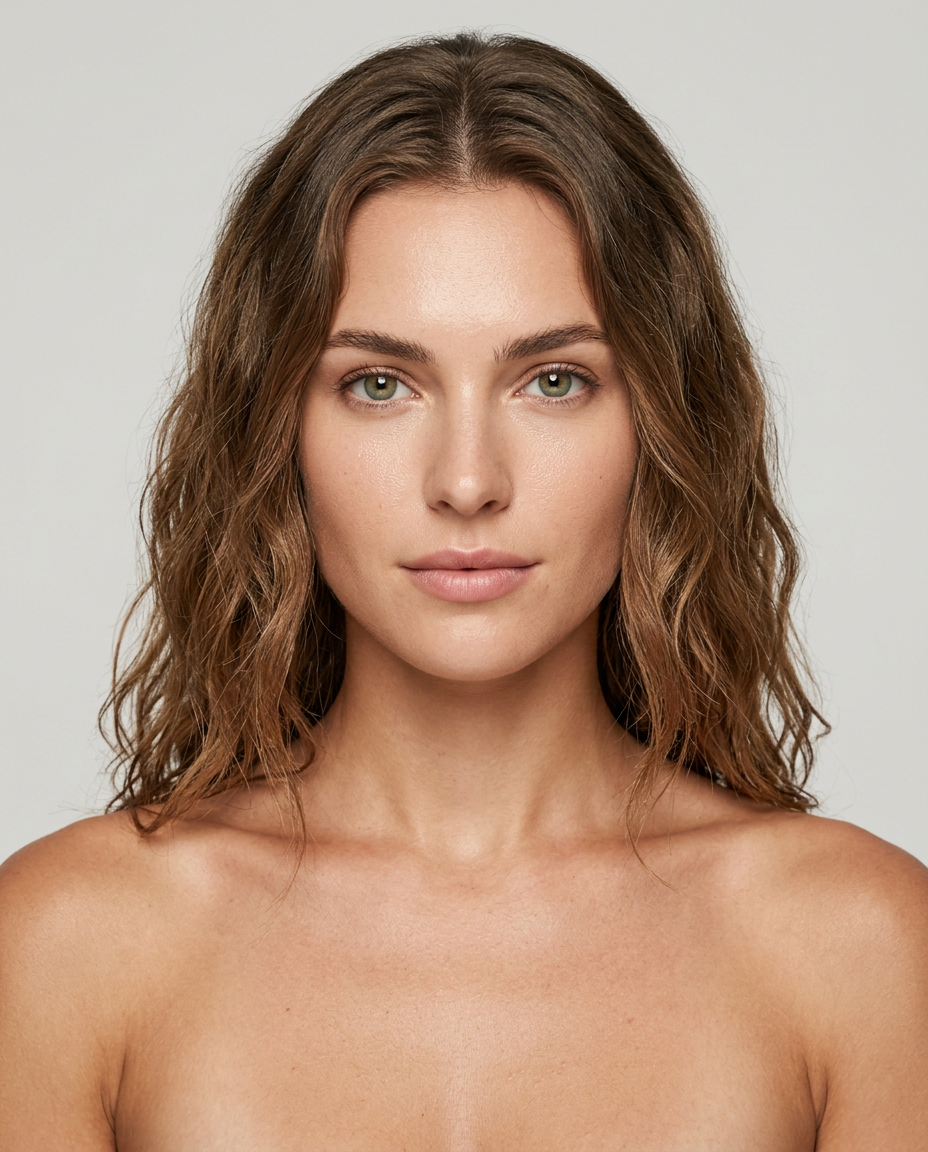
Hair
Beach waves
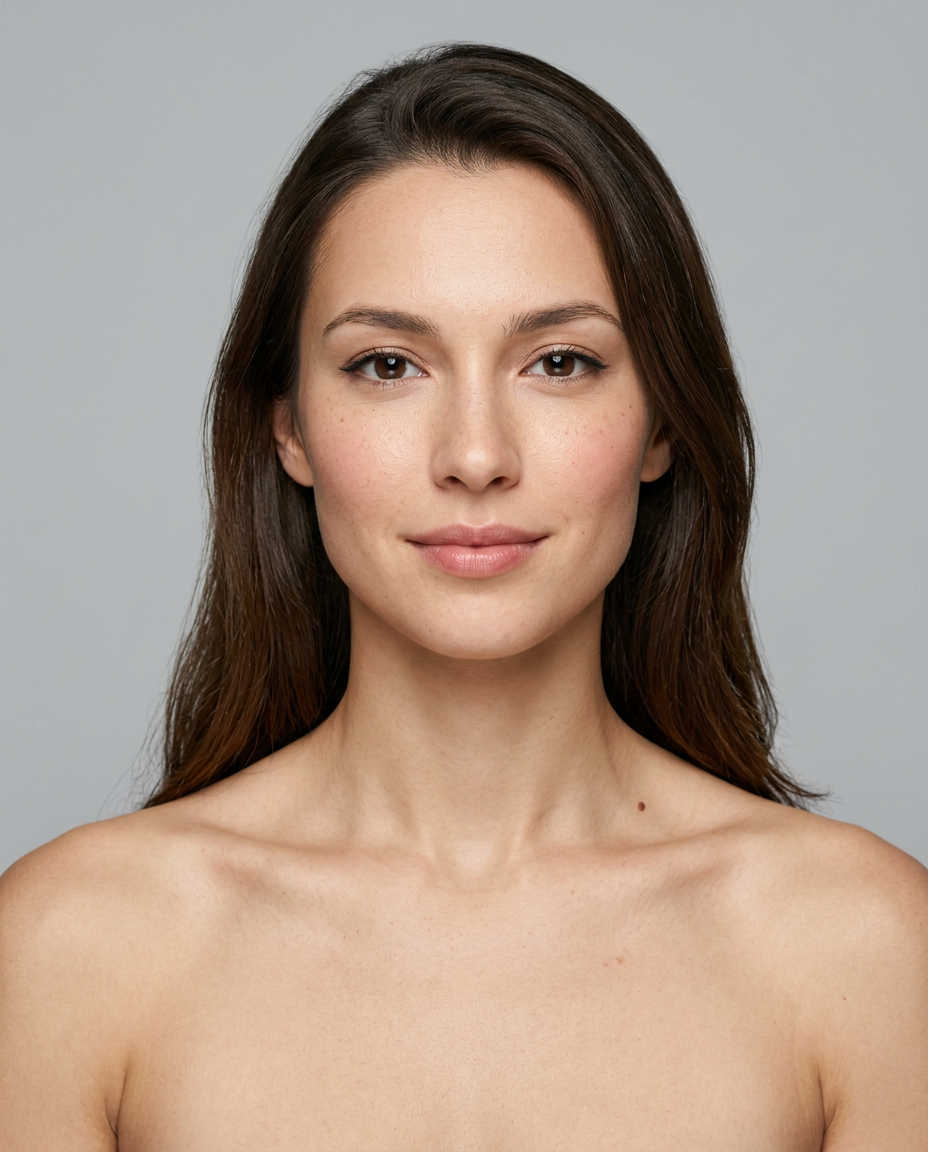
Skin
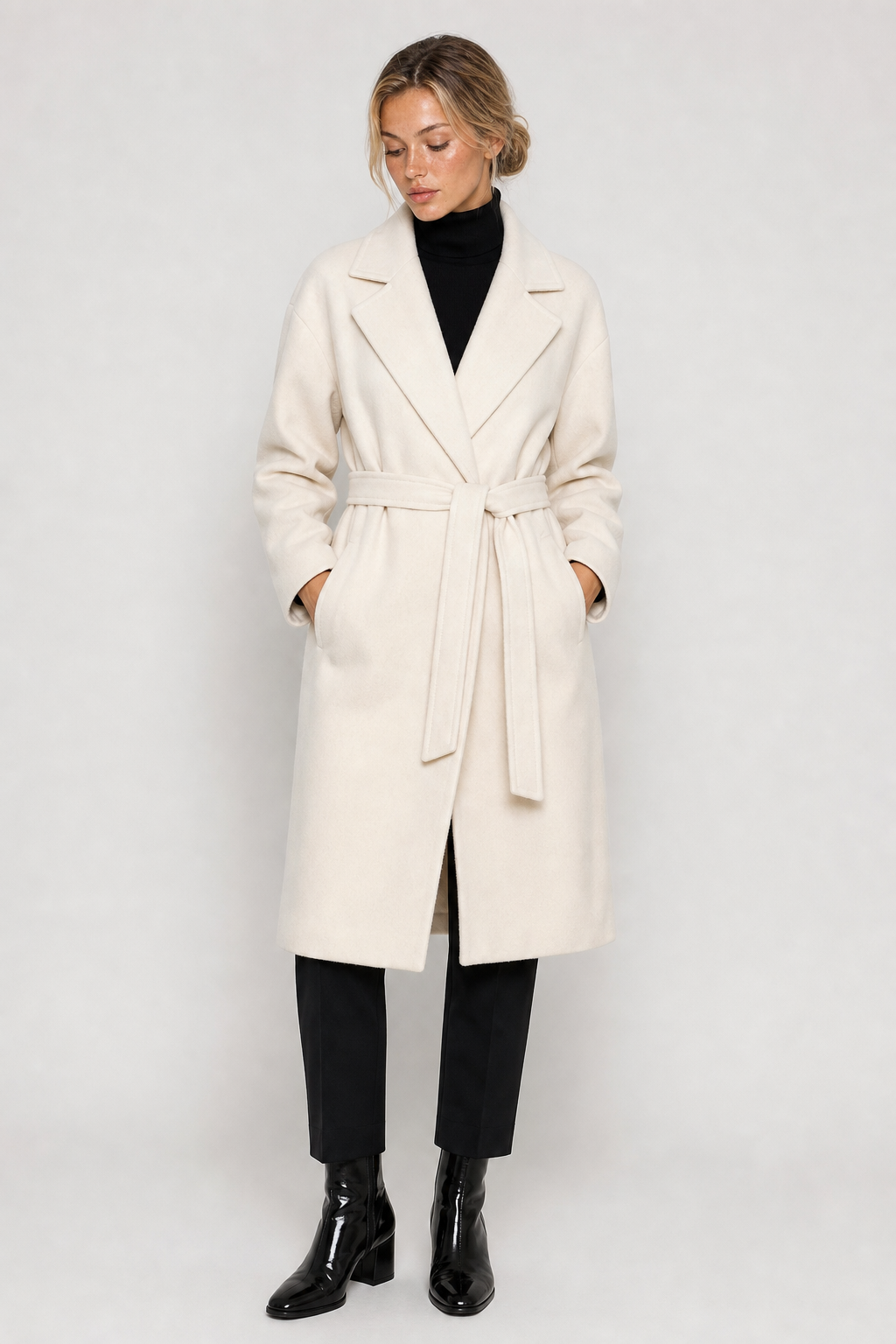
Cream, freckled
Lock the identity (optional)
We freeze a character bible and identity fingerprint, then generate canonical reference frames the model is anchored to.
Shoot every item
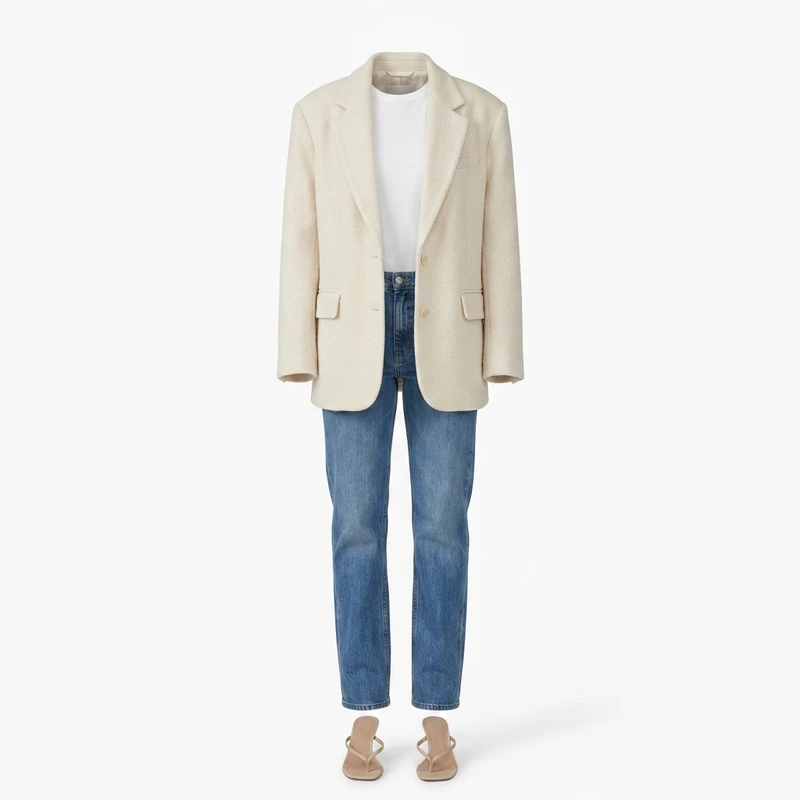
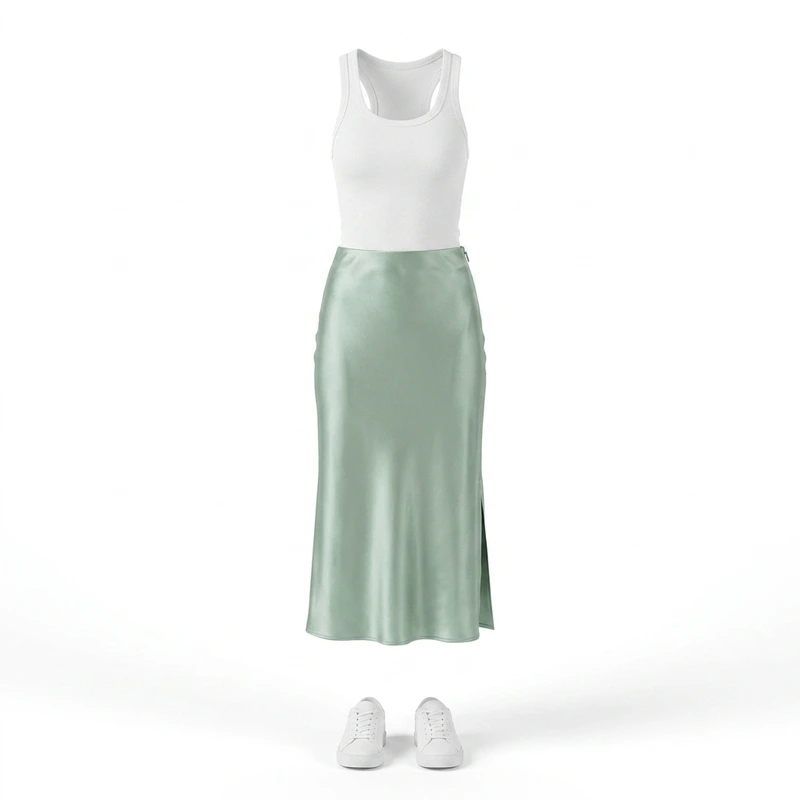
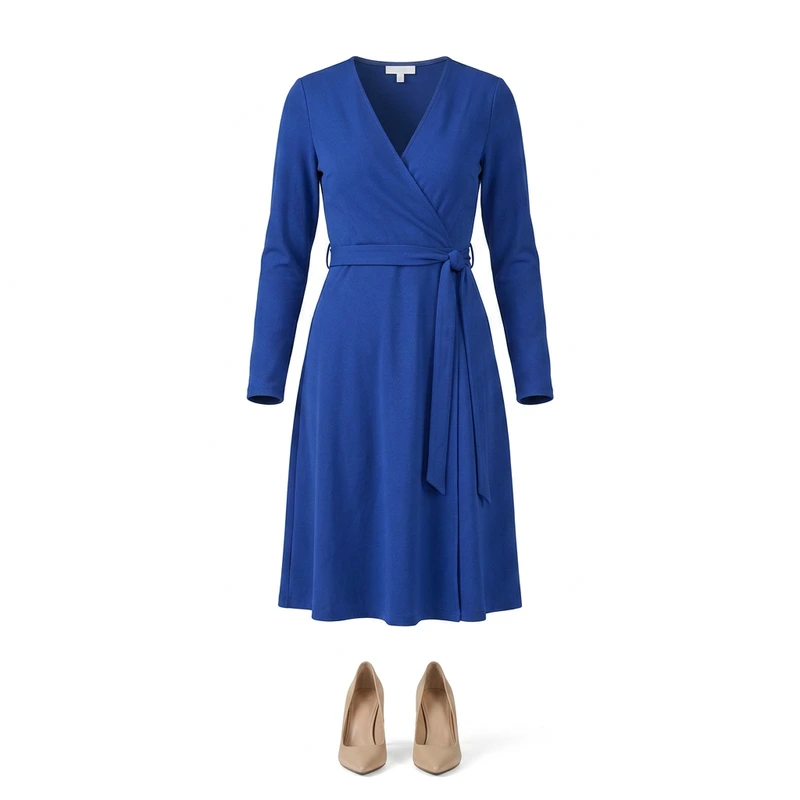
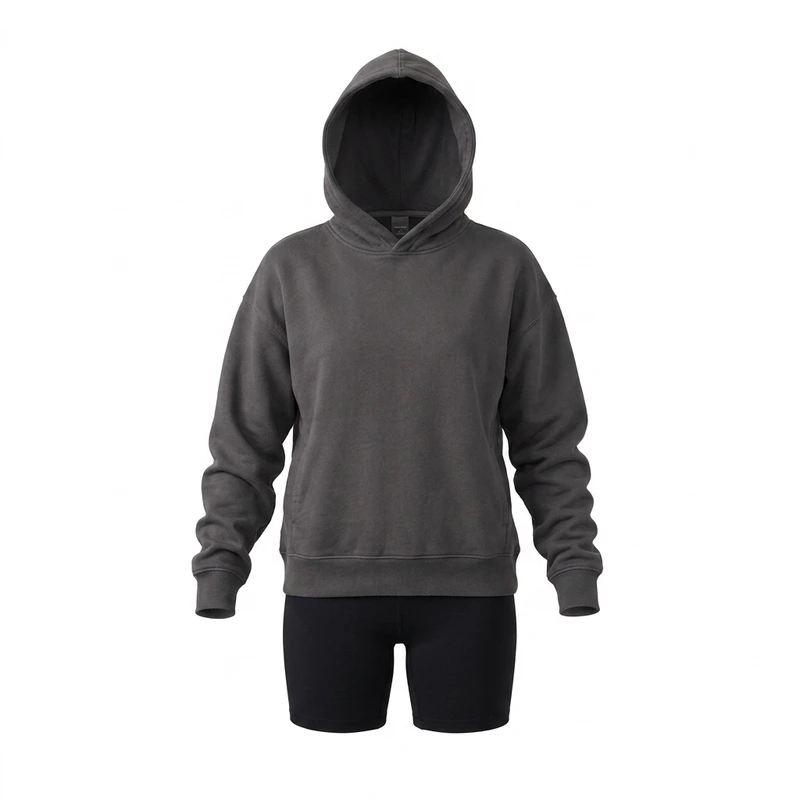
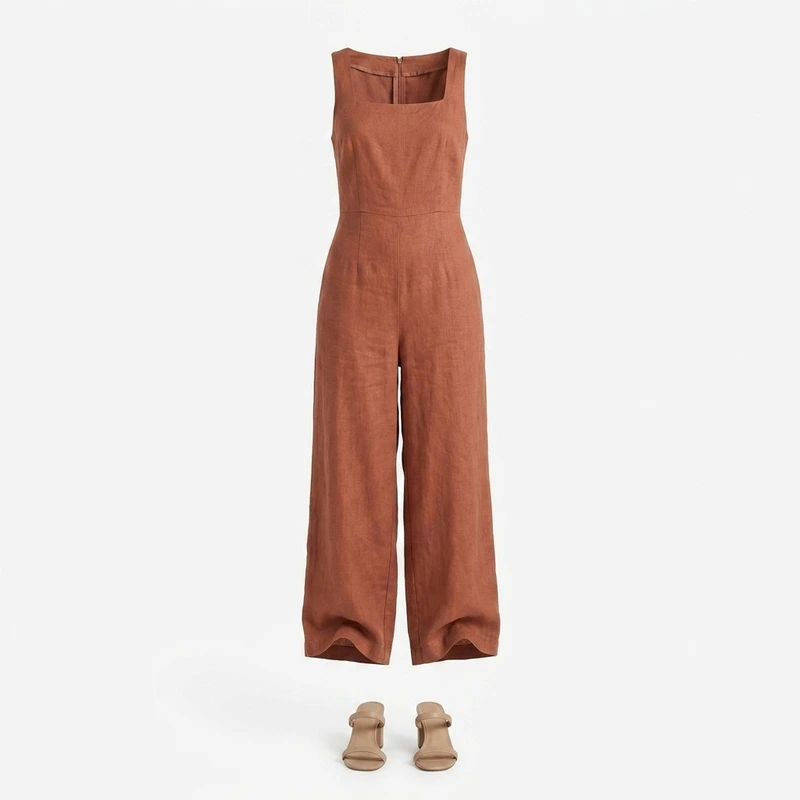
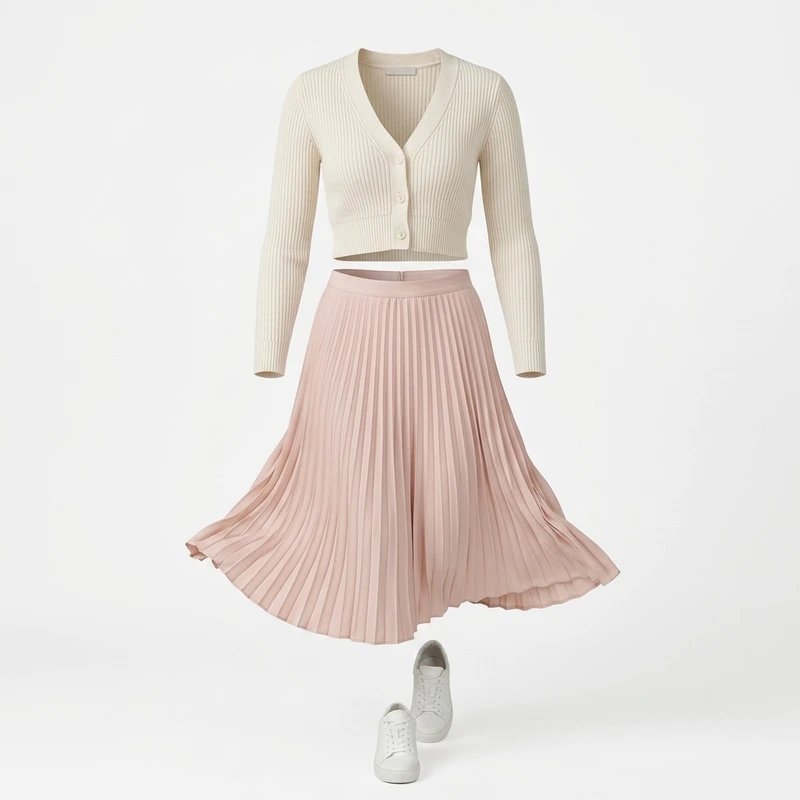
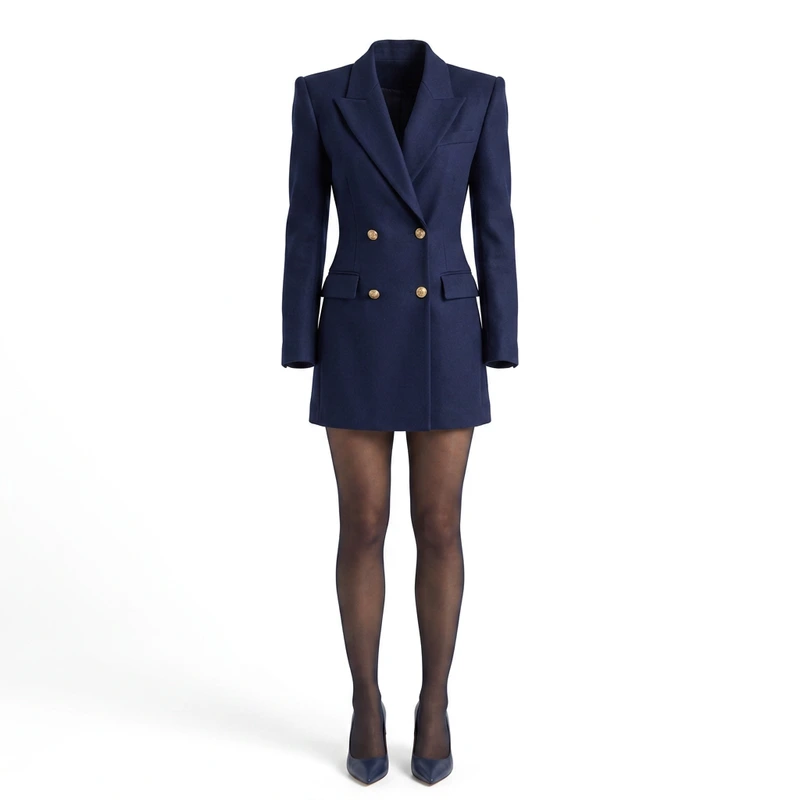
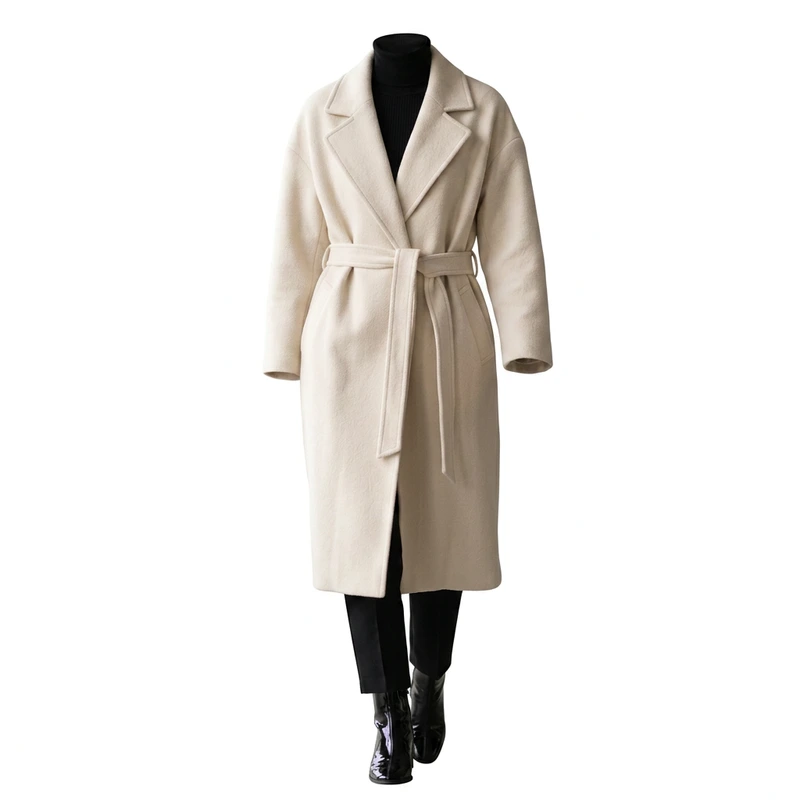
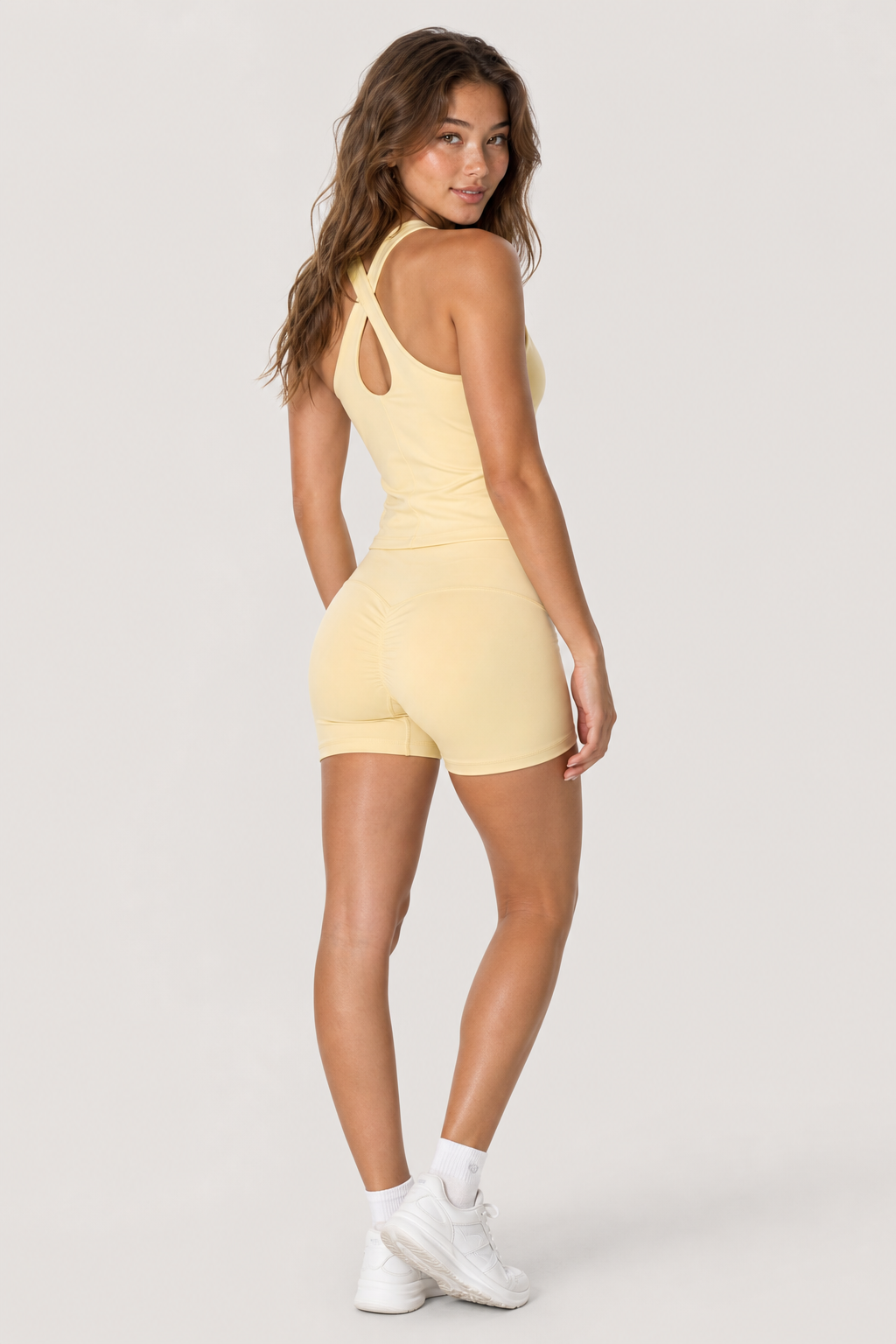
Upload iPhone photos of a product - clothing, bags, jewelry, fragrance and more. Generate catalog stills or short on-model video clips - the same locked model, every time.
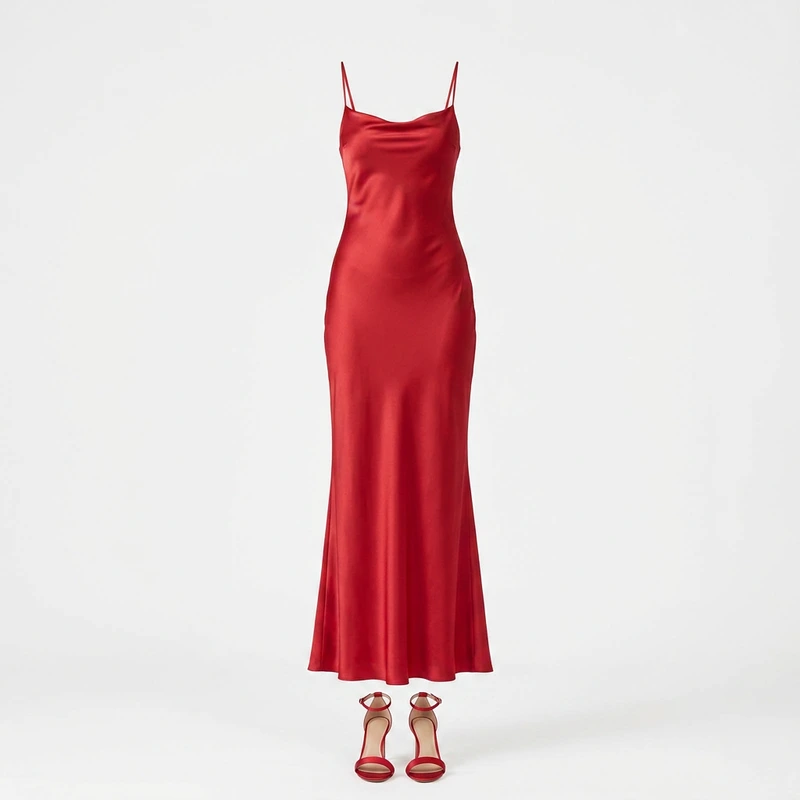
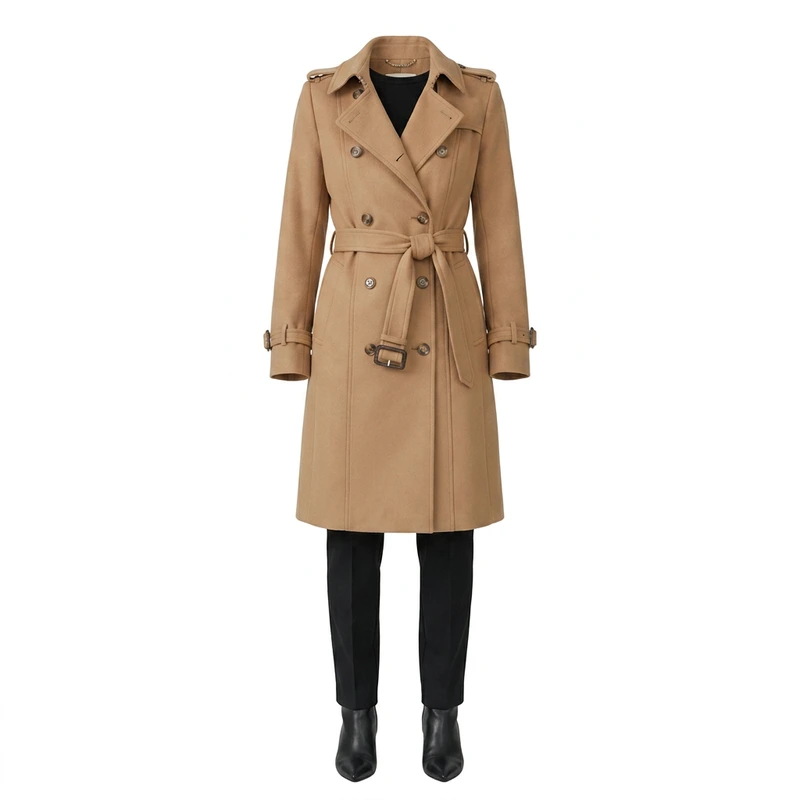
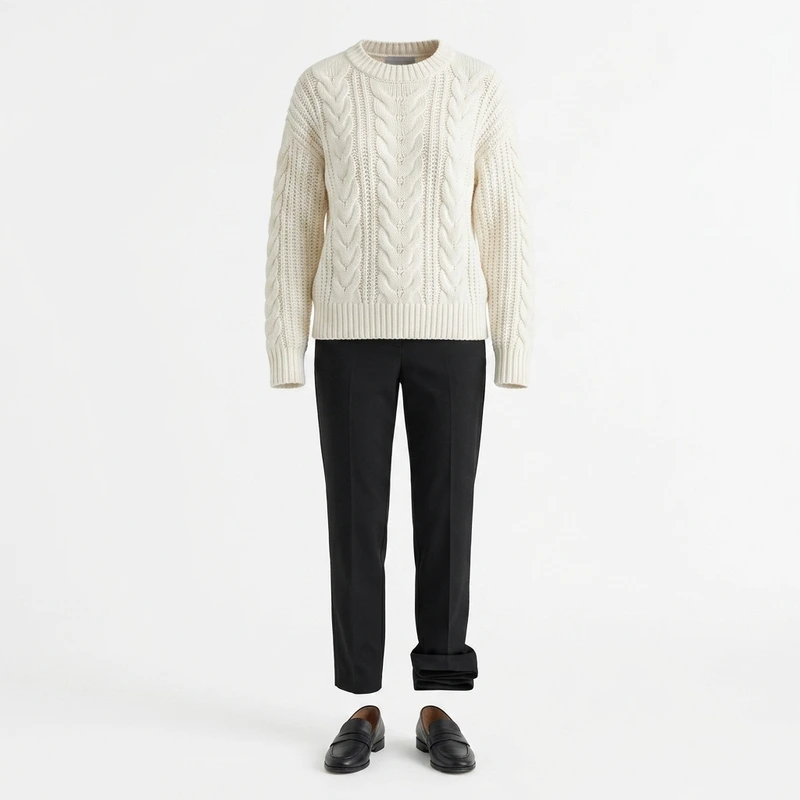
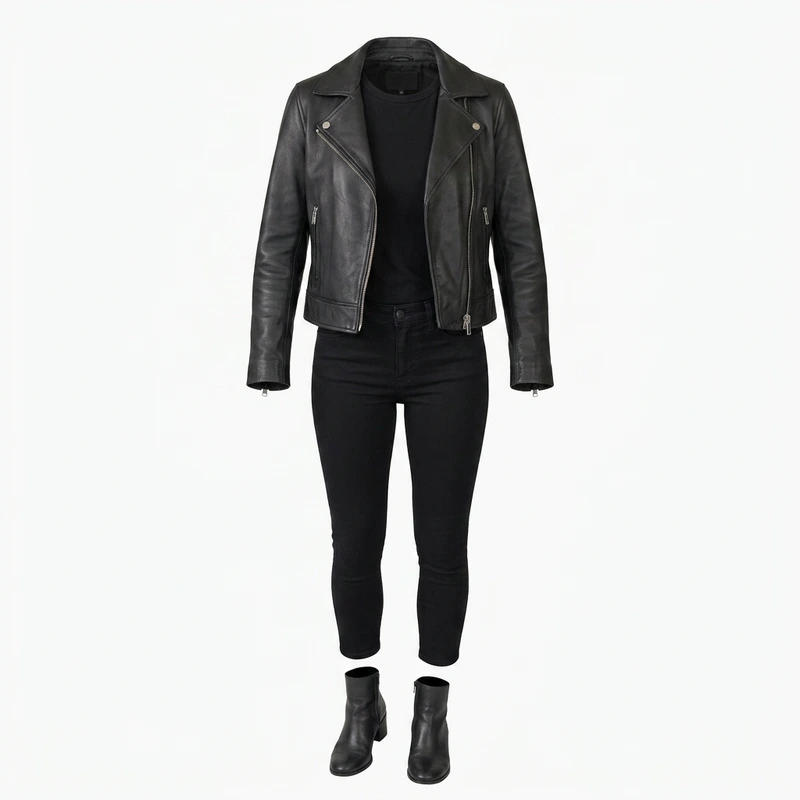

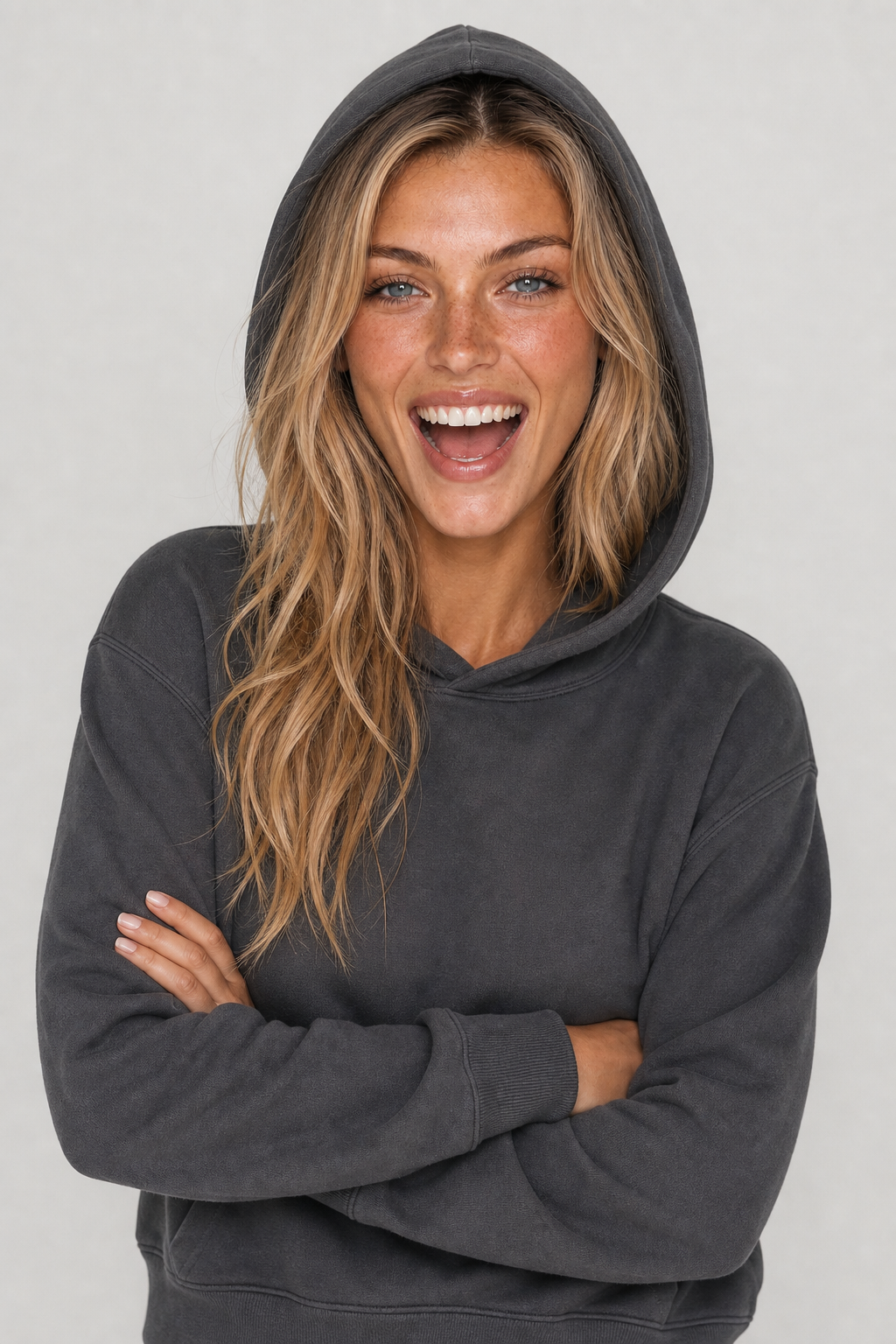

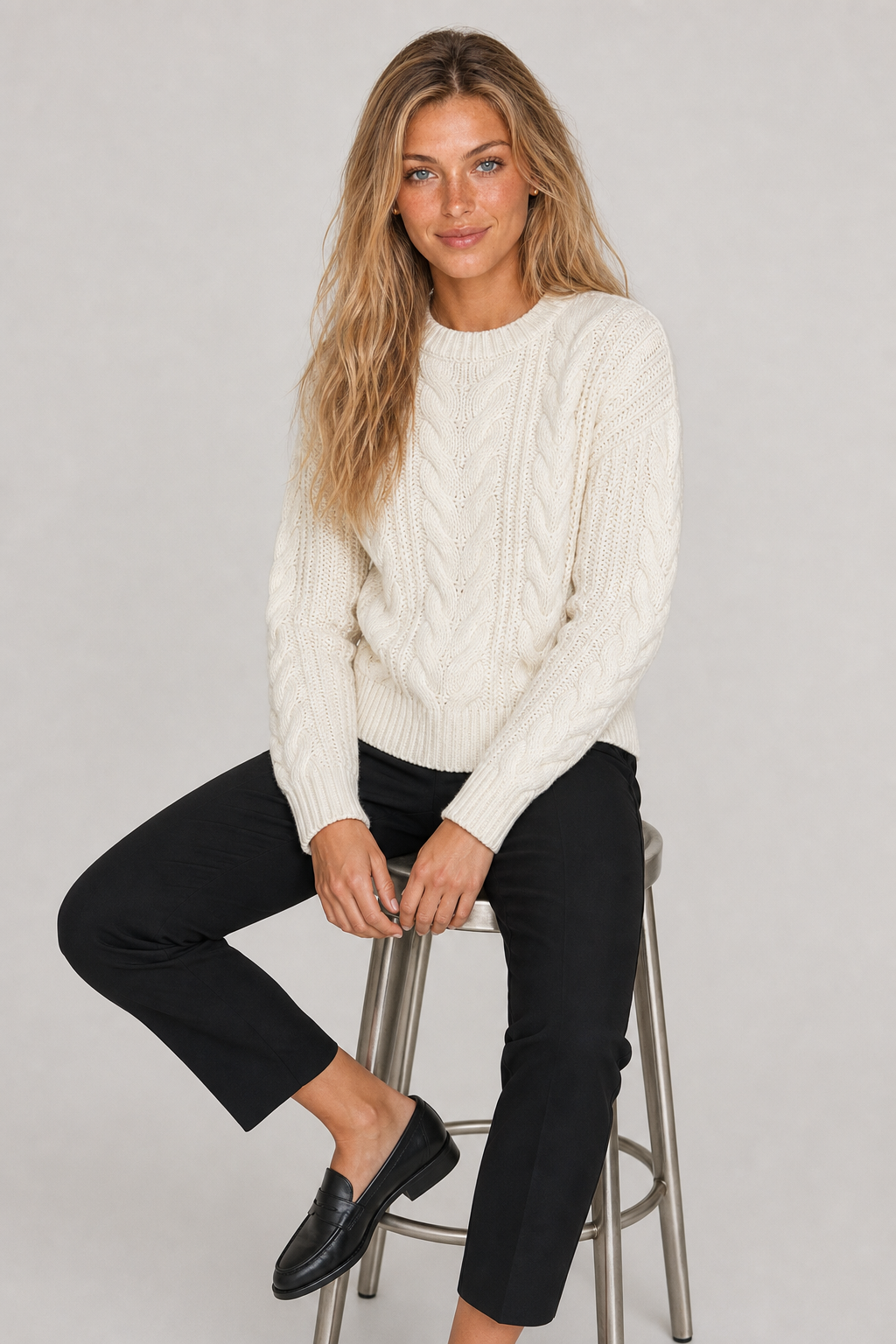
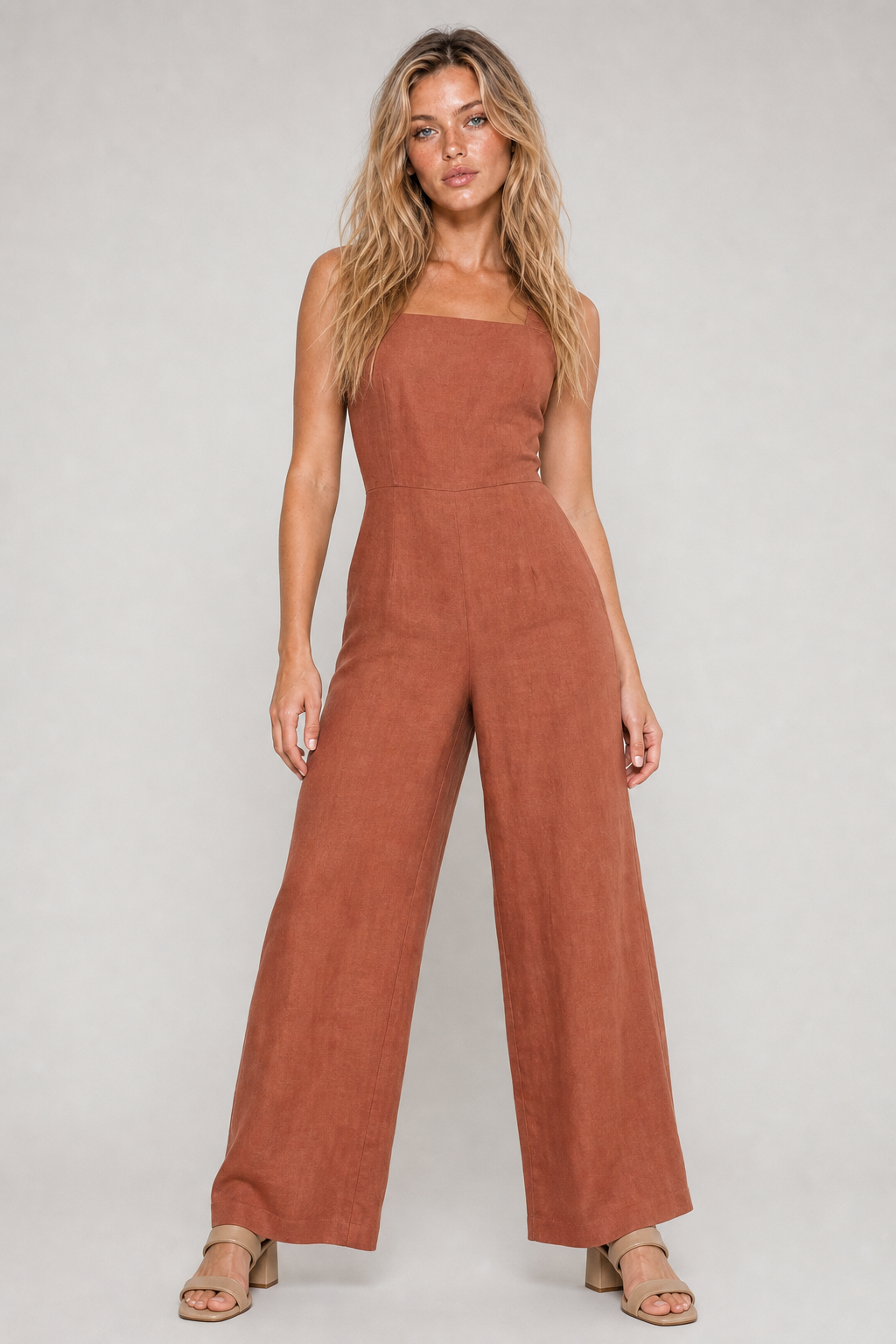
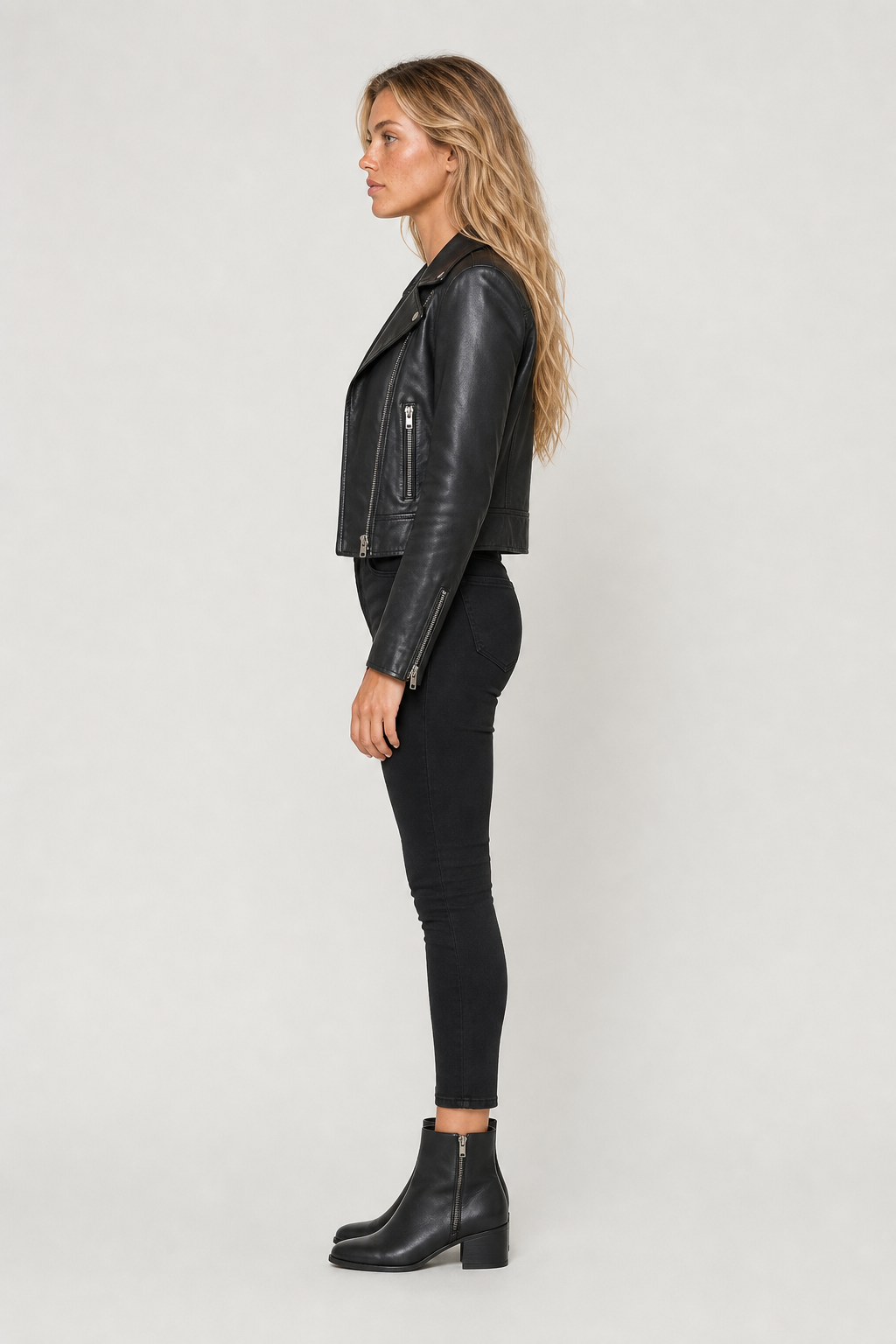

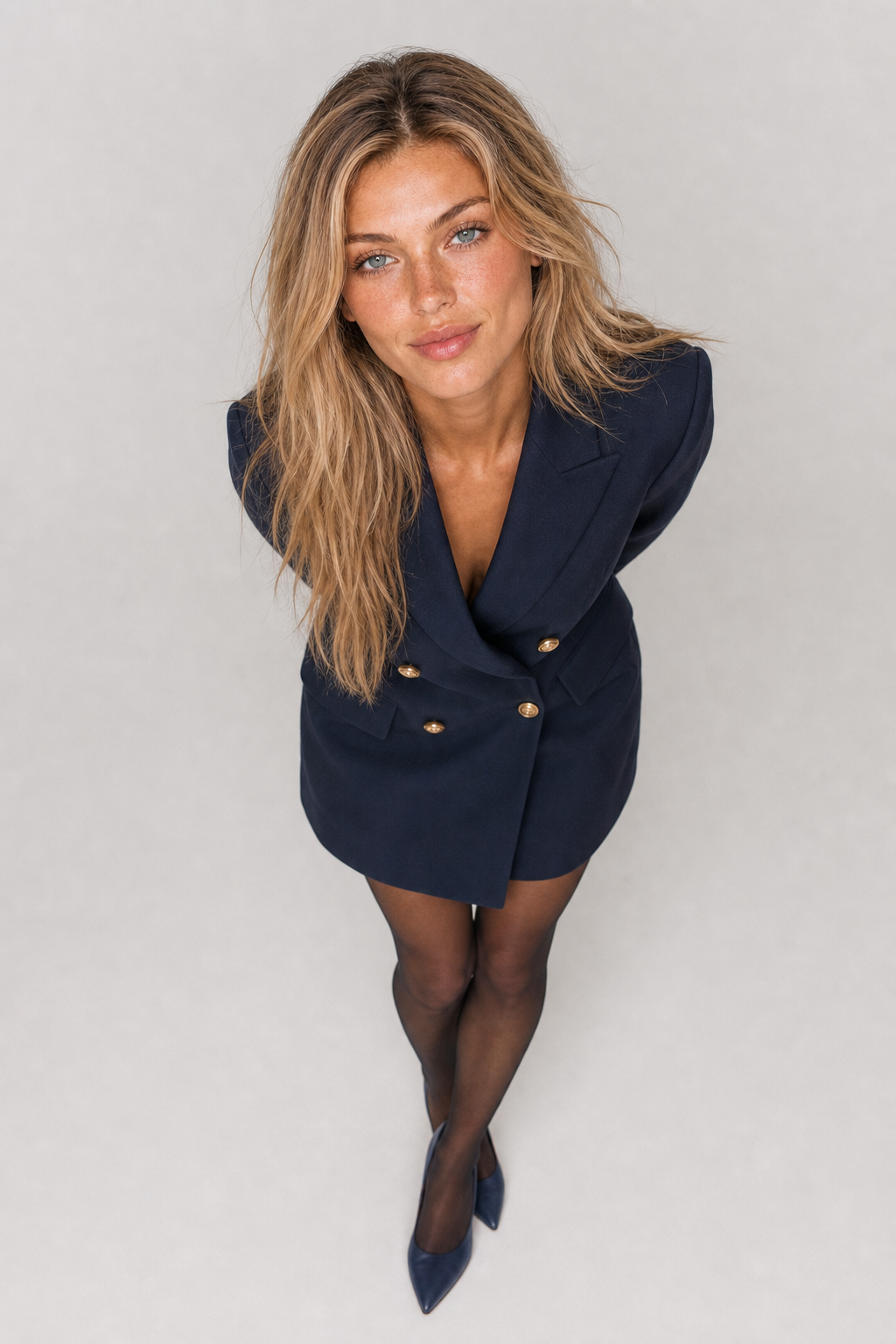
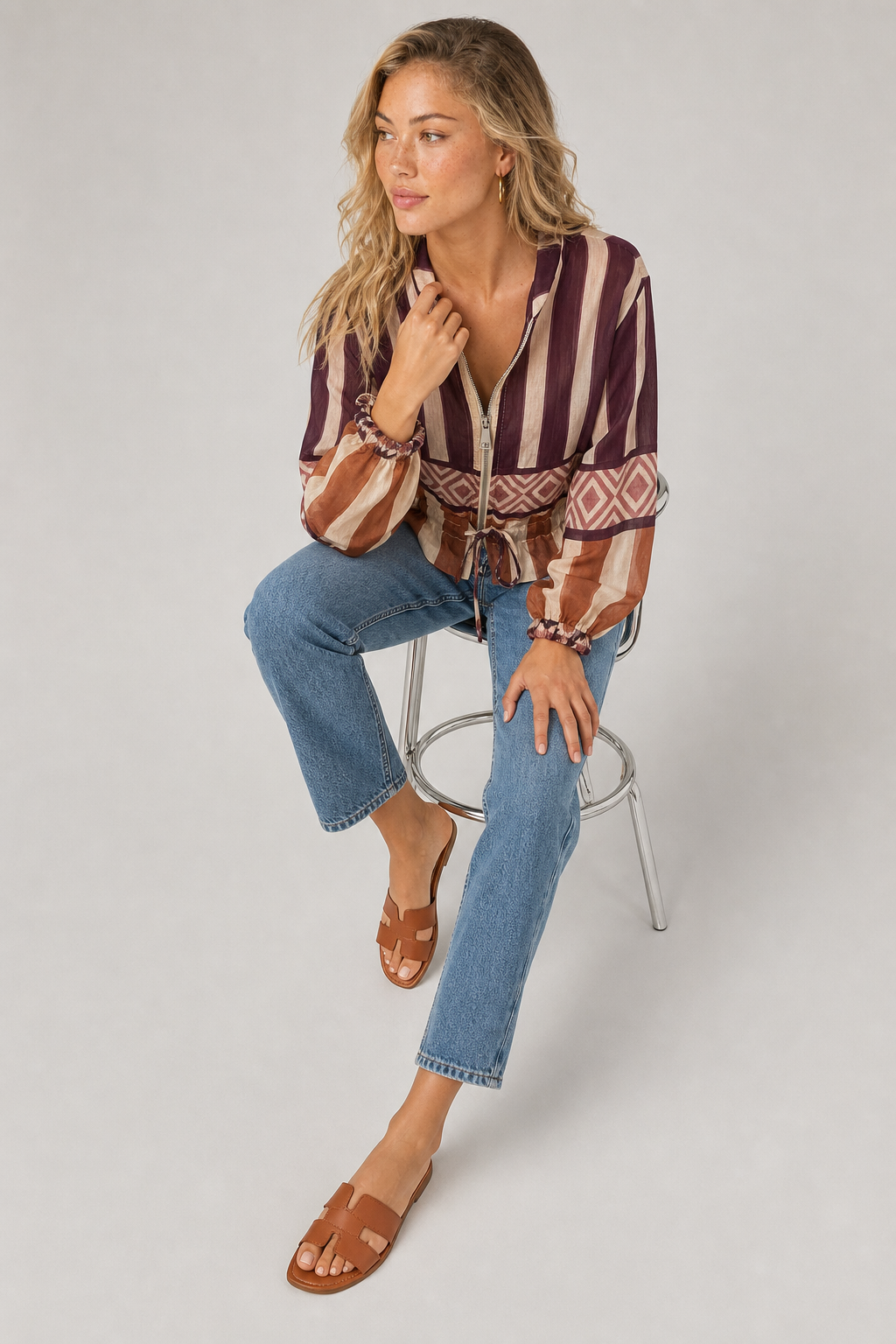
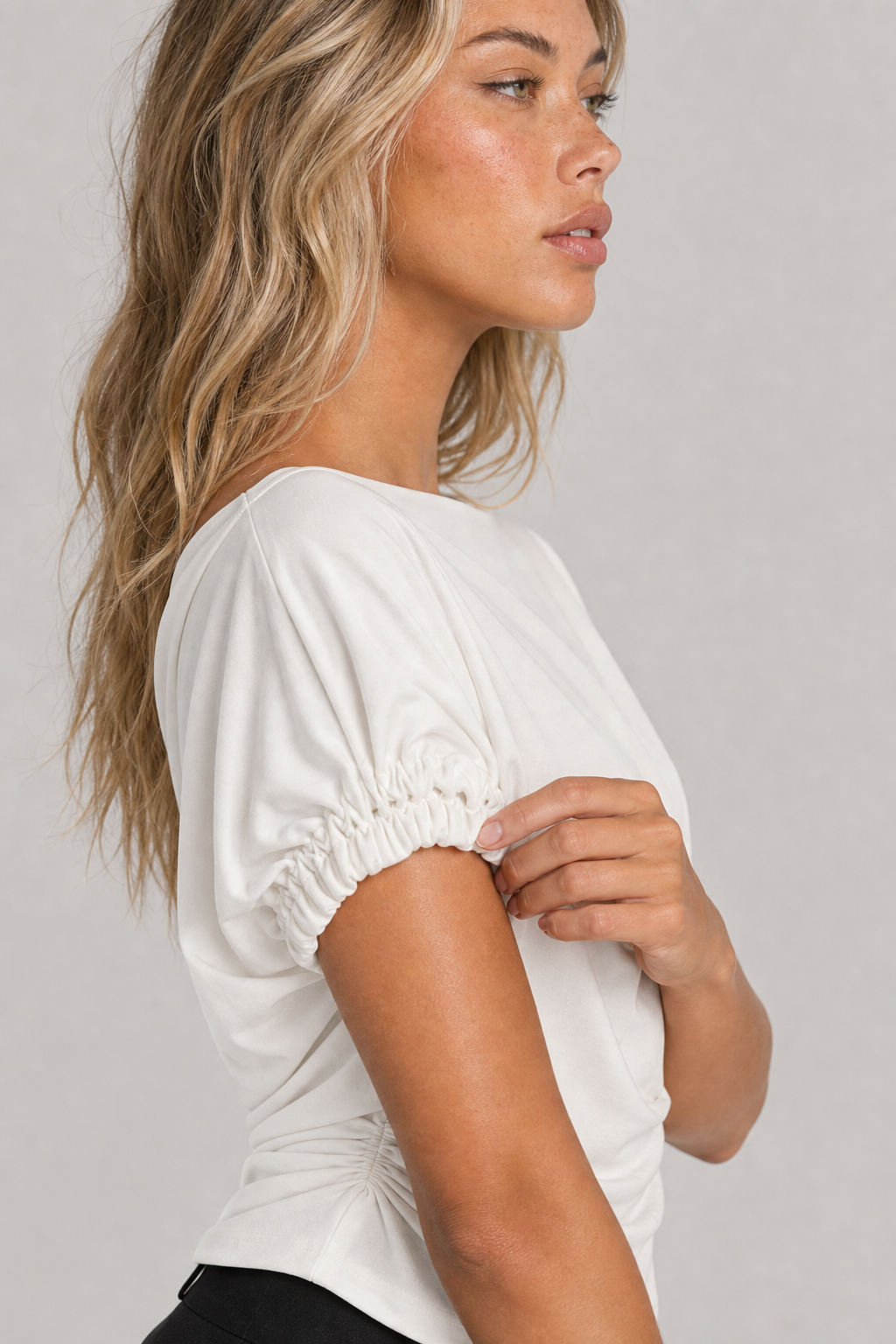
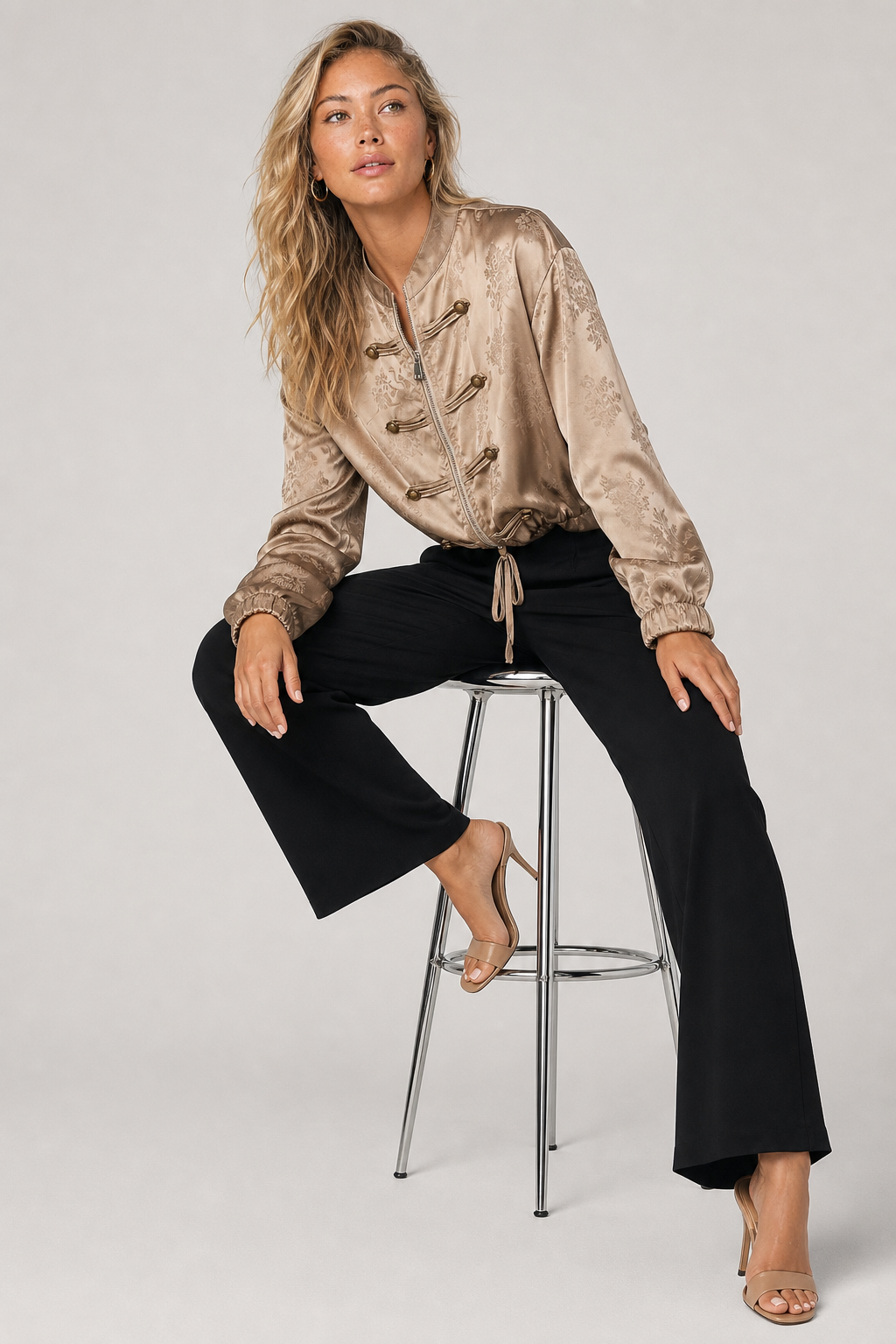

Persistent identity
A model built once stays visually consistent across hundreds of shoots. No drift, no re-rolling faces between products.
Build Your ModeliPhone-to-catalog
Casual shots from your phone become studio-grade on-model stills - or short video clips ready for your store and social.
Explore Our Models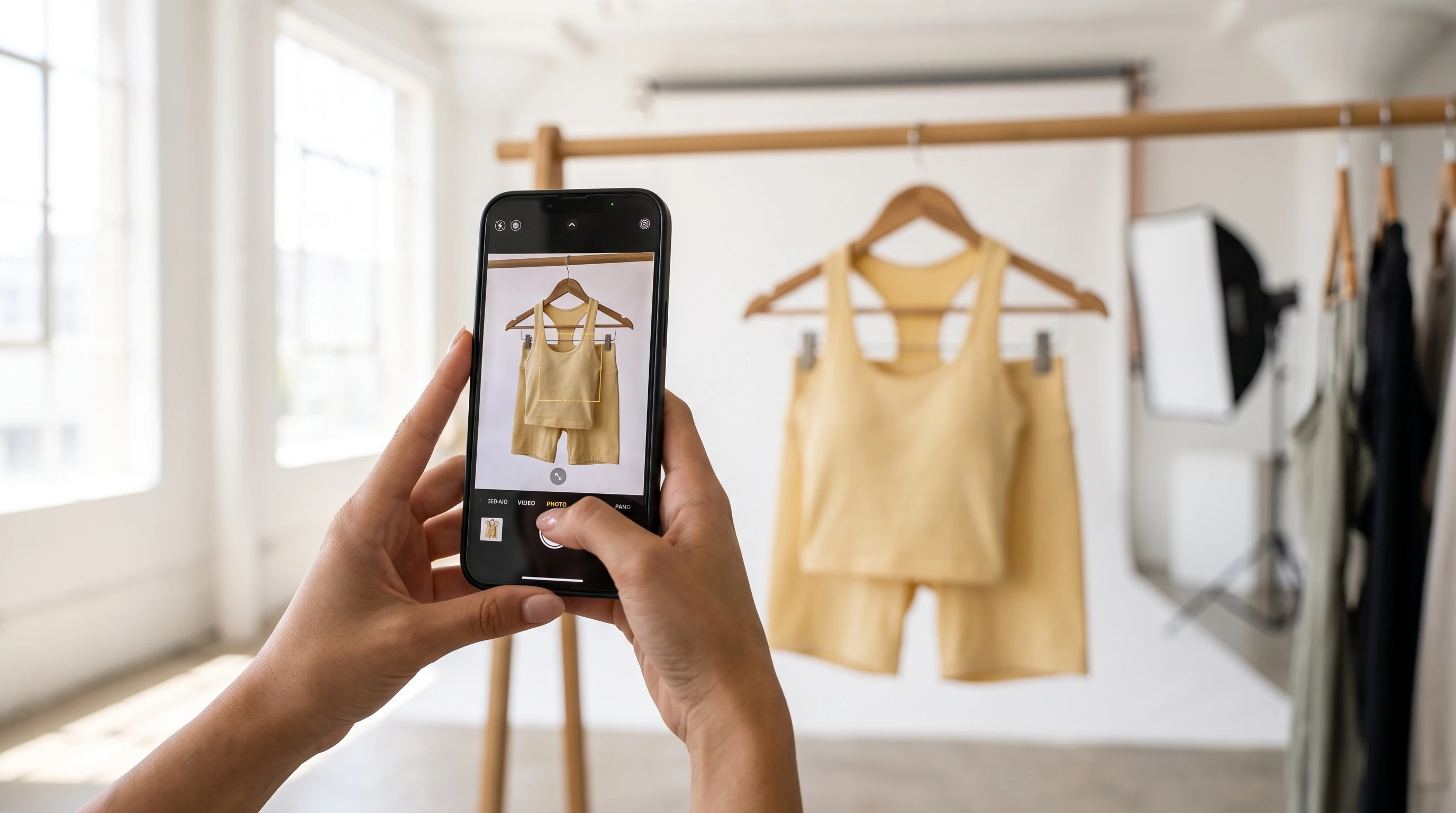 iPhone capture


Full character engine
Monk skin-tone scale, a deep hair taxonomy, face-level features, body and traits - every detail editable.
Unique combinations
0.0 trillion+
17 editable dimensions - skin, hair, face, body and more - multiplied across every option in the builder.
- Sex preset 2
- Origin region 12
- Skin tone (Monk scale) 10
- Hair color 8
- Hair style 25
- Hair length 9
- Face softness 5
- Eye color 8
- +9 more
From casting to catalog
Five stages, the same as working with a real agency - just compressed from weeks to minutes.
Cast the model
Every Flashlook model starts as a full identity build - skin tone, face structure, hair, body, even micro-details like freckles or dimples - chosen from a real taxonomy of options, not a random seed. This is casting, not rolling dice: you pick the model the way an agency would present a book of talent, except the book is infinite and every combination is production-ready.
Lock the identity (optional)
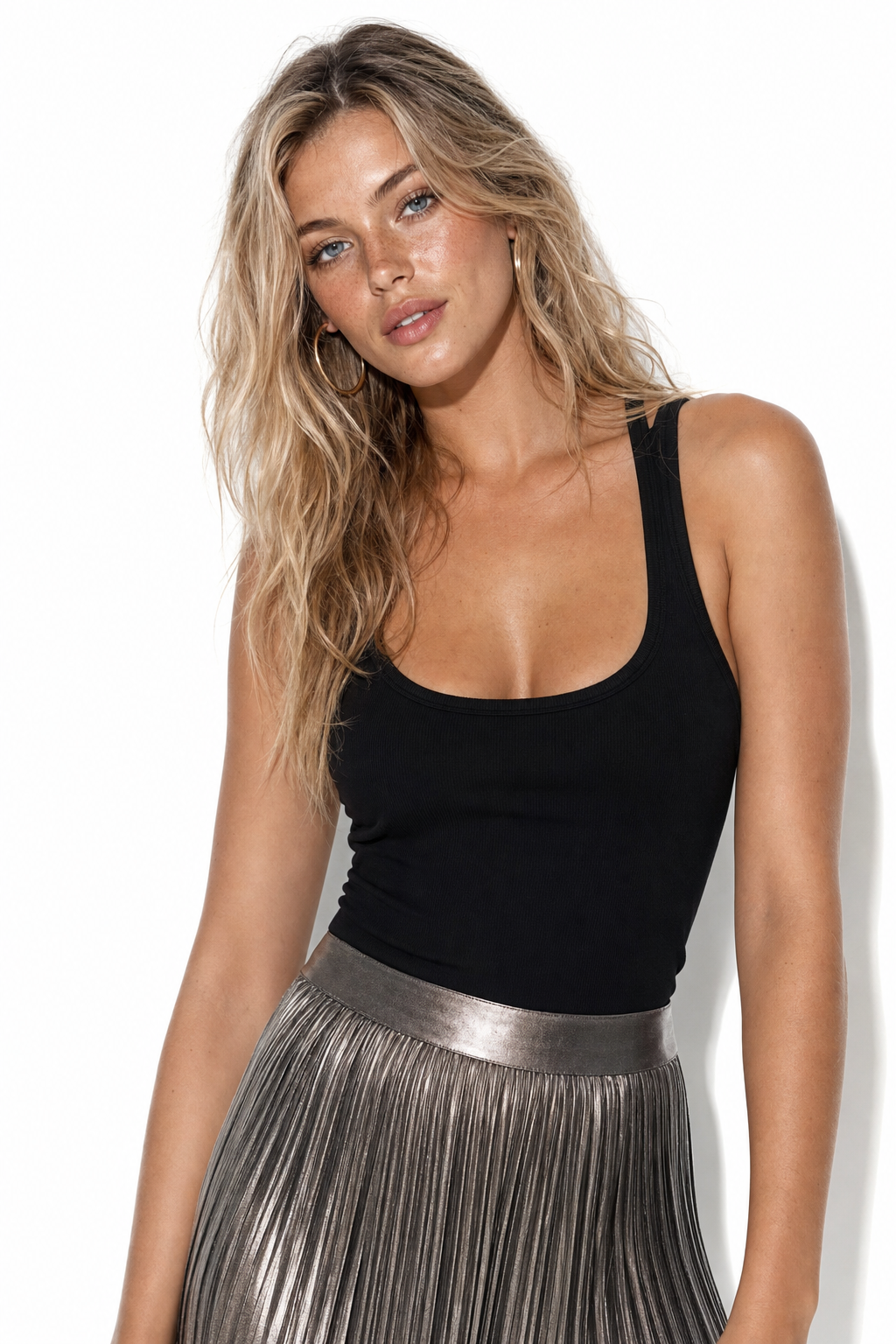
Once a model is chosen, we freeze a character bible: a set of canonical reference frames and an identity fingerprint the generator is anchored to on every future shoot. This is the step traditional AI image tools skip - without it, a model's face subtly drifts from generation to generation. Locking identity is what turns 'an AI image' into 'a model your catalog can rely on.'
Bring the item
Upload a flat lay, a phone photo on a hanger, or a quick try-on shot - front, back, side, whatever you have. Clothing, bags, jewelry, fragrance, it all works. No studio, no lighting kit, no second model required. The system reads shape, material, and construction details from ordinary photos.
Shoot at production quality
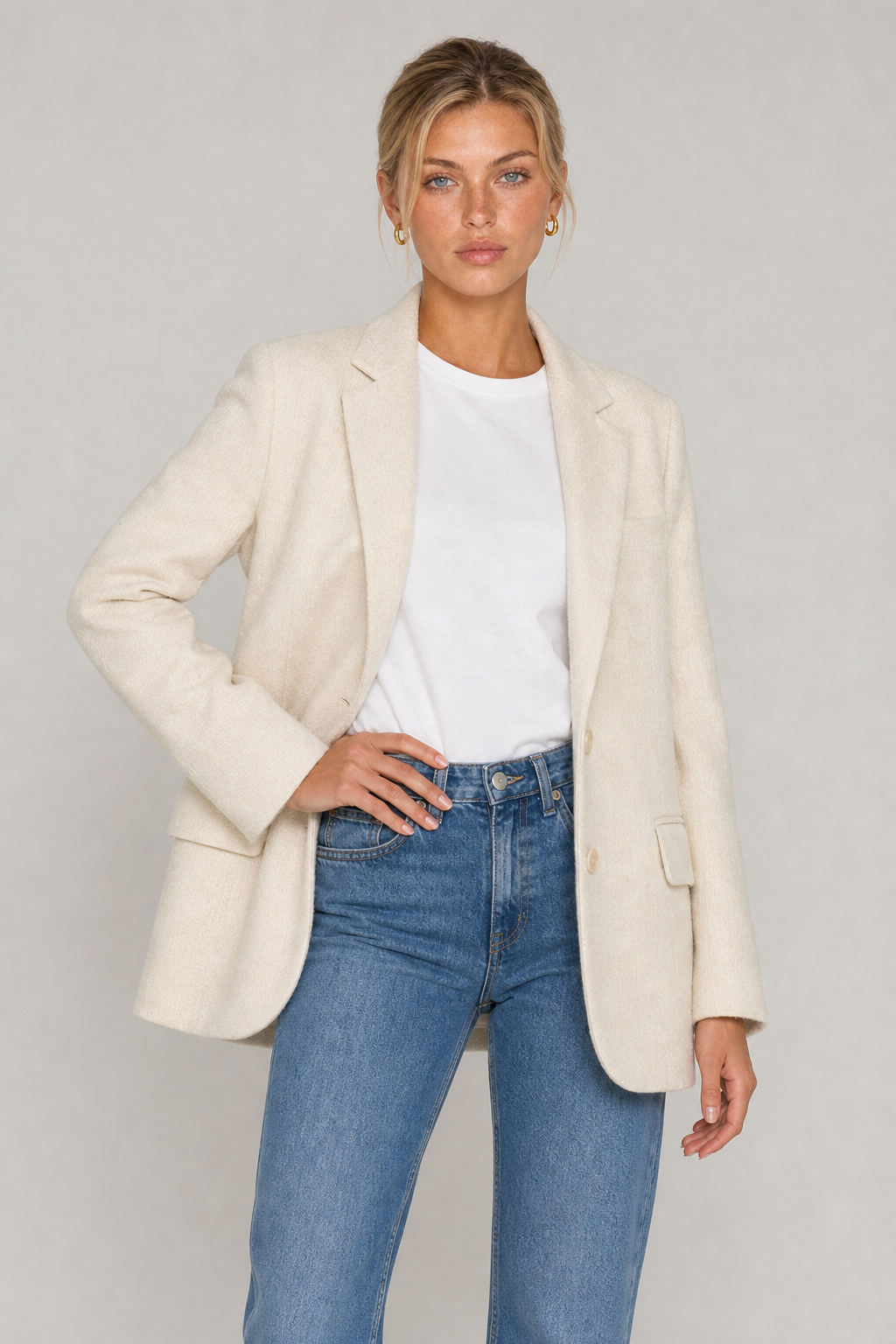
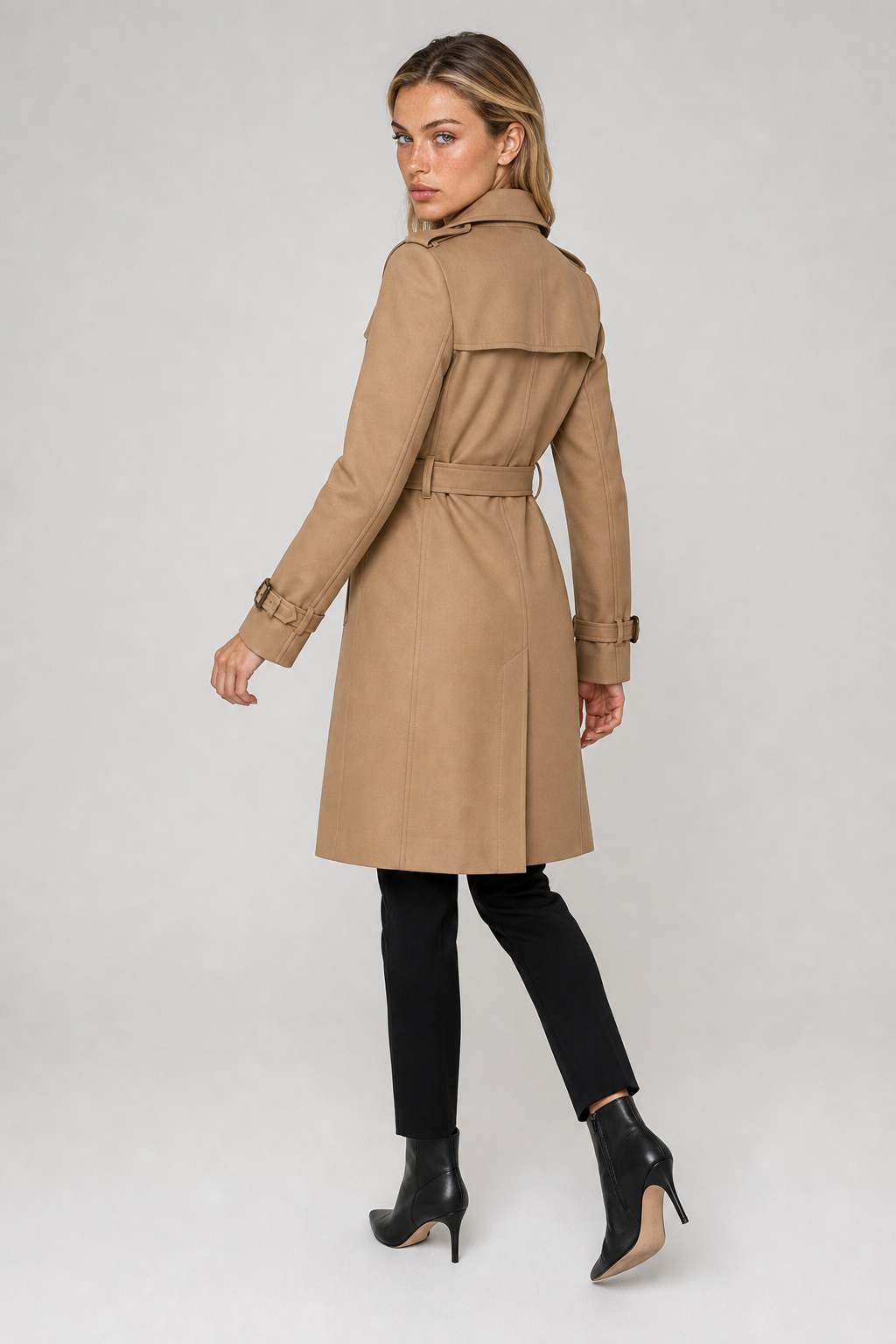
The locked model shoots the item in whatever the scene calls for - studio white, editorial lighting, outdoor lifestyle, a walking crop for social - as a still or a short video clip. Same face, same body, same skin texture every time, because identity was never re-generated - it was reused.
Scale across the whole rack
Batch every SKU in a collection through the same locked model in one pass. A 40-piece drop that used to mean a week of studio bookings becomes an afternoon of uploads - with a visually consistent catalog at the end of it, not forty separate photoshoots stitched together.
Why we built this like a modeling agency, not a filter
The difference between 'AI-generated image' and 'model your brand can rely on' is everything happening before the shutter clicks.
A roster, not a random seed
Stock libraries and generic AI tools give you whoever the algorithm produces this time. An agency gives you a roster you chose deliberately and can book again. Flashlook models work the same way: once built, a model is a persistent asset with an ID, a face, and a body - available for every future shoot, not regenerated from scratch and hoped to look similar.
Identity is the deliverable
A modeling agency's core product isn't a single photo - it's representation of a consistent person across a career. That's the bar we hold generation to. The character bible and identity fingerprint exist specifically so a shopper sees the same model on the homepage, the PDP, and the campaign email, the same way they would with a human model under contract.
Direction, not dice rolls
Working with an agency means briefing a real shoot: pose, expression, lighting, wardrobe. Flashlook exposes those same controls - pose, framing, lighting, mood - instead of a single opaque prompt box. You're directing a shoot, not gambling on a re-roll.
Built for volume without losing consistency
A traditional agency struggles to scale a single face across hundreds of SKUs without visible fatigue, reshoots, or budget blowouts. An AI-native agency doesn't have that ceiling - the same model can shoot an unlimited catalog at the same quality bar, on the same day, at a fraction of the cost.
Casting agency vs. stock vs. generic AI vs. Flashlook
Every alternative trades off one of consistency, speed, control, or cost. An AI-native agency doesn't have to.
| Casting agency | Stock library | Generic AI tool | Flashlook | |
|---|---|---|---|---|
| Consistency across a catalog | Depends on rebooking the same human model every time - scheduling risk, day-rate cost. | Different face every batch; no continuity between products or seasons. | Prompted fresh each time - subtle drift in face, body, and skin between generations. | One locked identity, reused indefinitely - the same model on SKU 1 and SKU 4,000. |
| Turnaround | Weeks: casting, booking, studio, retouching. | Fast, but generic and often already used by competitors. | Fast per-image, but inconsistent results mean heavy re-rolling and manual curation. | Minutes per shot, batchable across a full collection in one pass. |
| Creative control | High - full art direction, but expensive to iterate. | Low - you take what exists in the library. | Inconsistent - control lives in prompt wording, not real parameters. | High - explicit pose, lighting, framing and mood controls on a fixed identity. |
| Cost at scale | Scales linearly with day rates, studio time, and crew. | Cheap per-image, but licensing and lack of exclusivity limit brand value. | Cheap per-image, but hidden cost in curation time chasing consistency. | Fixed cost per model, near-zero marginal cost per additional item. |
Cast your first model in the next five minutes
No studio booking, no day rate, no waiting for a casting call. Build the identity once - shoot every item on it from here on out.