 FLASHLOOK.AI
Virtual Try-On vs. AI On-Model Photography: Understanding the Core Differences for Fashion Brands
Dive into the critical distinction between virtual try-on features and AI on-model photography. Learn which technology drives conversion for your fashion catalog and where to invest first for maximum ROI.

In the rapidly evolving landscape of fashion e-commerce, two AI-powered solutions often get mentioned in the same breath: virtual try-on and AI on-model photography. While both aim to enhance the online shopping experience and address the persistent challenge of fit and returns, they serve distinct purposes and operate at different stages of the customer journey. Understanding the fundamental differences between virtual try-on vs on-model photography is crucial for fashion brands looking to make strategic investments and optimize their digital presence.
The Problem: Shoppers Can't Touch the Clothes
The core challenge in online apparel retail remains unchanged: shoppers cannot physically interact with garments before purchase. This uncertainty about how an item will look and fit is a major contributor to high return rates, which can average around 24.4% for online apparel, with sizing being the primary cause for over half of these returns. Brands are keen to implement solutions, with many decision-makers planning to adopt virtual try-on technologies. However, the term "virtual try-on" itself is often used broadly, leading to confusion about the most effective application.
Two Distinct Approaches: Production vs. Experience
To clarify, it's essential to differentiate between two main categories:
- AI On-Model Photography (Catalog-Side Virtual Try-On): This is a production tool that generates high-quality, realistic images of garments worn by models for your product pages. It creates the foundational imagery that every shopper sees upon landing on a product page. Think of it as replacing traditional photoshoots with AI-generated content.
- Consumer Virtual Try-On (Interactive Fitting Room): This is a shopper-facing feature that allows customers to interactively visualize a garment on a body-either their own (via a selfie or camera feed) or a chosen avatar/model-typically within the product page itself. It's an optional engagement layer.
AI On-Model Photography: The Foundation of Your Catalog
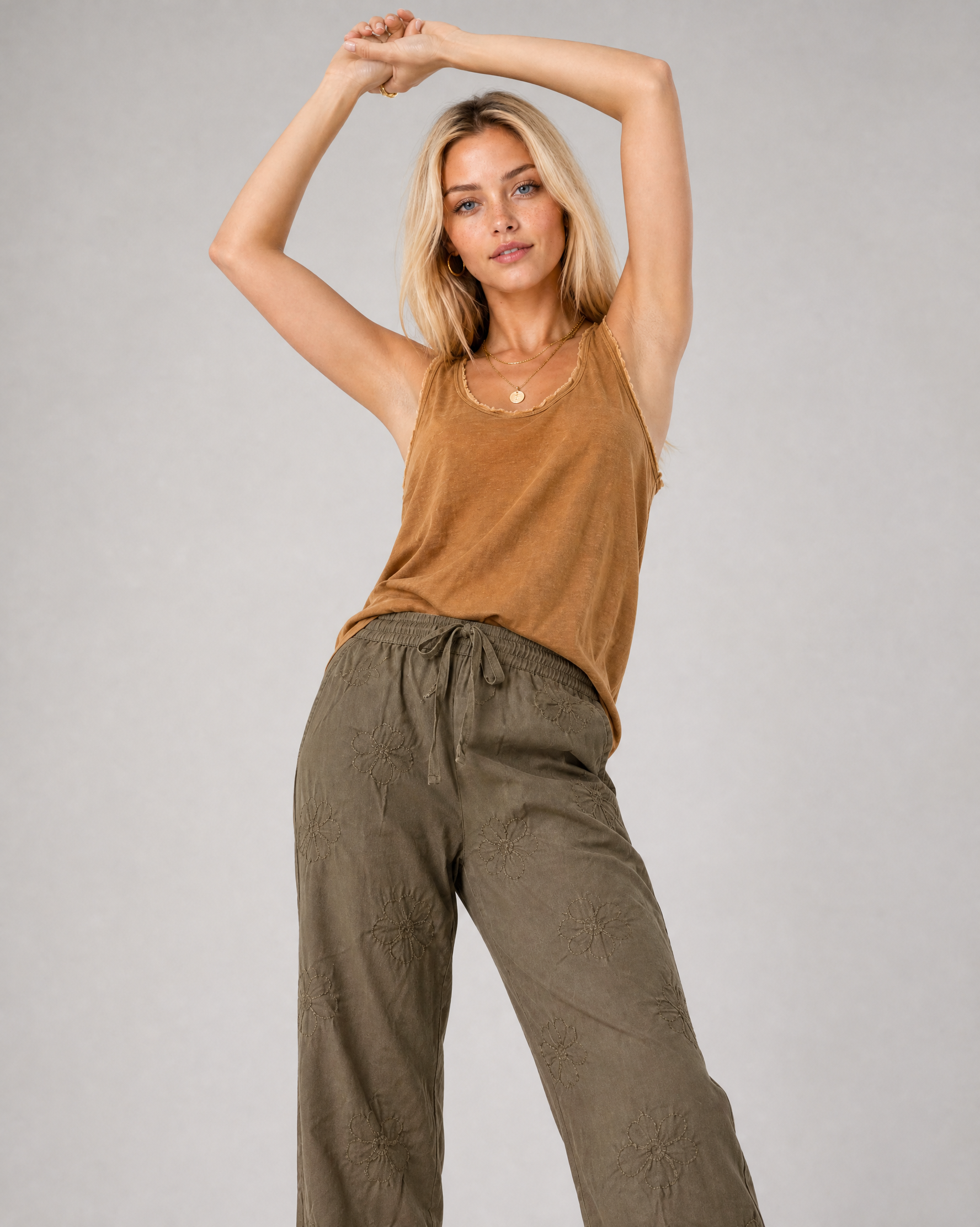
AI on-model photography, such as Flashlook's capabilities, is about creating the compelling visual content that forms the backbone of your e-commerce catalog. It converts existing product shots (like flat lays, hanger shots, or ghost mannequins) into realistic images of garments on diverse virtual models. The output is a finished, publishable image asset-just like those from a traditional photoshoot-but generated efficiently and at scale.
Key characteristics and benefits:
- Universal Impact: Every visitor to your product page sees these images immediately, without needing to interact with a special feature. This means 100% of your audience benefits.
- First Impression & Fit Confidence: These images establish the initial impression, communicate fit, drape, and overall appearance, which are critical factors for purchase decisions.
- Scalability & Consistency: AI allows brands to generate consistent on-model imagery across entire catalogs, including thousands of SKUs that might otherwise go without model shots due to budget or logistical constraints. This consistency builds trust with shoppers and AI shopping engines alike. Flashlook's AI atelier ensures your entire range maintains a cohesive brand identity.
- Cost & Time Efficiency: It dramatically reduces the time and cost associated with traditional photoshoots. Instead of weeks, content can be ready in hours or days, accelerating go-to-market timelines and allowing for pre-sales.
- Input-Driven: It works from existing product photography, leveraging assets brands already possess.
For most brands, especially those with large or frequently updated catalogs, AI on-model photography is the foundational investment. It addresses the primary problem of having sufficient, high-quality, and consistent imagery across all products. As Nunzio Alexandro Letizia, Co-founder of PiktID and creator of On-Model, puts it, "Most brands do not need a try-on widget on ten products. They need every product to look tried on. Catalog-side, that is a solved problem: consistent on-model imagery for every SKU, with the garment kept exact."
Consumer Virtual Try-On: The Interactive Layer
Consumer virtual try-on, on the other hand, is an interactive feature designed to deepen engagement for a subset of shoppers. It's an optional tool that a customer chooses to use, often to visualize how a garment might look on their own body or a selected avatar.
Key characteristics and benefits:
- Interactive Engagement: It offers a personalized experience, allowing shoppers to experiment with how an item might look on them.
- Fit Reassurance: For those who use it, it can provide additional confidence in fit and appearance, potentially reducing last-minute uncertainties before checkout.
- Specific Use Cases: Most effective for categories with high fit uncertainty (e.g., dresses, structured outerwear) or for brands targeting a highly engaged customer base.
- Depends on Shopper Action: Its impact is limited to the percentage of shoppers who choose to engage with the feature, upload photos, and wait for renders.
- Requires Existing Imagery: Crucially, virtual try-on works on top of existing product data and imagery. It doesn't create the primary on-model product shots; it enhances the interaction with them.
While potentially useful, consumer virtual try-on is generally considered a secondary investment. It complements strong core imagery but cannot compensate for a catalog lacking comprehensive and consistent on-model photography.

Why the Distinction Matters for Investment
For fashion brands, understanding this distinction is key to making smart investments and achieving measurable ROI. Here's a comparative overview:
| Criterion | AI On-Model Photography (Flashlook) | Consumer Virtual Try-On |
|---|---|---|
| What it is | The product image itself | An interactive feature/widget |
| Who sees it | Every visitor, immediately | Only shoppers who choose to use it |
| Shopper Effort | None | Upload/select, wait for render |
| Main Job | First impression, fit confidence | Fit reassurance before checkout |
| Produced | Once by the brand, passively works | Rendered live, per shopper |
| Investment Timing | Foundation | Layer on top once imagery is strong |
| Problem Solved | Production gap, catalog coverage | Fit uncertainty, purchase confidence |
| Scalability | Batch processing for full catalogs | Scales with product preparation |
The Highest Leverage Investment: Foundation First
For almost every fashion brand, the priority should be to establish a strong foundation of AI on-model photography. This is where AI delivers the most immediate and universal impact. By ensuring every SKU has consistent, garment-accurate on-model imagery, brands can:
- Boost Conversion Rates Across the Board: On-model images can convert significantly higher than flat-lays or ghost mannequin shots, with increased time on page. This improvement applies to all visitors.
- Reduce Returns Proactively: By clearly communicating fit and drape through high-quality imagery, shoppers are better informed, leading to fewer fit-related returns.
- Achieve Brand Consistency at Scale: Maintain a unified brand aesthetic across your entire product line, even with diverse product types and frequent collection updates. Explore Flashlook's virtual models to see how consistency can elevate your brand.
- Optimize for AI Shopping Engines: As platforms like Google Shopping increasingly leverage AI to show shoppers how items look worn, a catalog rich in consistent on-model imagery is better positioned to feed these experiences.
Only once this foundation is solid should brands consider adding consumer virtual try-on as a supplementary layer. If your core product imagery is weak, a try-on widget is unlikely to move the needle significantly.

Flashlook's Approach: On-Model Imagery at Scale
Flashlook specializes in the production layer: generating high-quality AI catalog stills that transform your existing product shots into stunning on-model imagery. Our platform enables brands to:
- Turn flat lays into dynamic on-model shots: Our AI maps your garments onto diverse virtual models, ensuring pixel-perfect fidelity to the original product.
- Ensure consistent product photos: Maintain a cohesive look and feel across your entire catalog, with consistent models, lighting, and poses.
- Rapidly scale content production: Generate hundreds or thousands of on-model images in a fraction of the time and cost of traditional photoshoots.
We focus on delivering consistent product photos that empower every shopper to make confident purchasing decisions, directly addressing the highest-leverage area for e-commerce conversion and return reduction. Our how it works page details the seamless process.
Conclusion: Build a Strong Visual Foundation
The choice between virtual try-on and AI on-model photography isn't an either/or dilemma; it's about strategic prioritization. For fashion brands aiming to thrive in the digital marketplace, the first and most impactful investment lies in securing comprehensive, consistent, and high-quality on-model imagery across their entire catalog. This foundational visual content reaches every single shopper, drives conversion, and builds trust. Once that foundation is firmly established, interactive virtual try-on features can be considered as an engaging addition for specific use cases.
Start by giving your best-selling and highest-return styles complete on-model coverage with consistent identities and multiple views. This approach ensures you capture most of the value without the complexity of a real-time fitting-room widget. Flashlook is here to help you build that robust visual foundation for your brand. Check out our pricing to learn more.
FAQ
What is the primary difference between virtual try-on and AI on-model photography?
Virtual try-on is an interactive feature that allows a shopper to visualize a garment on a body (often their own) on a product page. AI on-model photography, on the other hand, is a production tool that generates the actual product-page images of your garment worn by a model, which every visitor sees immediately.
Which technology should a fashion brand invest in first?
For most fashion brands, AI on-model photography should be the primary investment. It creates the foundational, high-quality imagery that every shopper sees, directly impacting first impressions and purchase confidence across the entire catalog. Virtual try-on is best considered as a supplementary layer once the core imagery is strong.
How does AI on-model photography help with conversion rates?
AI on-model photography improves conversion rates by providing clear, consistent, and realistic visuals of garments on models. This helps shoppers better judge fit, drape, and overall appearance, reducing uncertainty and increasing confidence in their purchase decisions for all visitors to the product page.
Can virtual try-on replace traditional photoshoots?
No, consumer-facing virtual try-on cannot replace traditional photoshoots or AI on-model photography. It requires existing product imagery and data to function. AI on-model photography, however, is designed to generate studio-quality images at scale, effectively reducing or eliminating the need for extensive traditional photoshoots for catalog content.
What are the benefits of using AI on-model photography for a large catalog?
For large catalogs, AI on-model photography offers significant benefits, including cost and time efficiency, consistent brand aesthetics across thousands of SKUs, the ability to provide on-model imagery for products that might otherwise go without, and improved overall catalog quality that drives higher conversion rates and reduces returns.
Consistent AI fashion models for catalog and UGC. Open Studio · Browse AI Fashion models