 FLASHLOOK.AI
The Art of AI: How Luxury Brands Are Redefining Fashion Campaigns
Luxury fashion brands are increasingly leveraging generative AI to create stunning, innovative campaigns. From surreal visual narratives to scalable e-commerce content, AI is transforming how high fashion communicates its identity while maintaining brand consistency and artistic integrity.
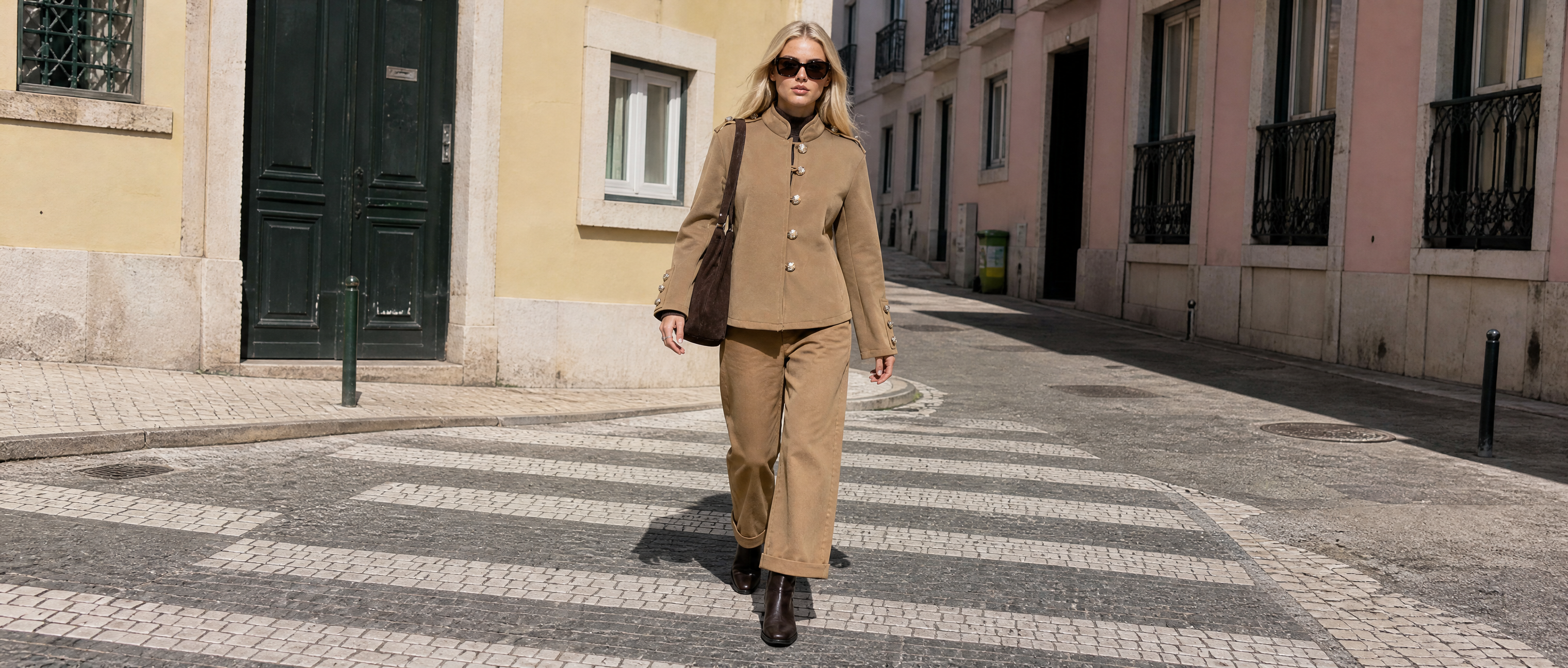
The world of luxury fashion has always been synonymous with aspiration, meticulous craftsmanship, and compelling visual storytelling. Every campaign, every lookbook, every digital touchpoint is carefully curated to convey a brand's unique ethos and promise. In recent years, the integration of artificial intelligence into this traditionally human-centric domain has sparked both excitement and apprehension. Yet, a growing number of premium and luxury brands are not just experimenting with AI; they are strategically deploying it to enhance their creative output, streamline production, and foster deeper connections with their discerning audiences.
The Shifting Landscape of Fashion Content Creation
Luxury brands today face an unprecedented demand for content. A single collection now necessitates a vast array of visual assets for runway shows, editorial features, e-commerce platforms, social media, digital advertising, and targeted regional markets. The traditional model of a singular, globally distributed campaign shoot can no longer keep pace with this volume and velocity.
Simultaneously, AI image generation technology has matured at an astonishing rate. What was once prone to visual glitches and inconsistencies in 2022 has evolved into a sophisticated tool capable of producing commercially viable and often indistinguishable imagery by 2024. This rapid advancement has opened new avenues for brands to explore, driven by the dual pressures of content demand and a competitive landscape where innovation is key.
AI as a Creative Medium: Beyond Cost-Cutting
While efficiency and cost reduction are often cited benefits of AI, many luxury brands are integrating AI not merely as a production tool, but as a genuine creative medium. They are using it to push artistic boundaries and achieve visual feats that traditional photography might struggle to replicate.
Gucci's Duality and Artistic Collaboration: In 2025, Gucci embraced AI for its Fall/Winter collection, commissioning digital artist Sybille de Saint Louvent to craft a campaign around the theme of duality. The resulting mirrored figures and dreamlike environments extended the runway narrative in innovative ways. Later, Gucci combined AI visuals with traditional photography for its "Primavera" campaign, showcasing a hybrid approach that expanded creative possibilities rather than simply cutting costs. This demonstrates how AI can be a tool for artistic exploration, allowing brands to produce imagery that exists beyond the confines of a conventional photoshoot.
Burberry's Heritage Reinvention: Burberry leveraged AI to animate a historical photograph from a 1980s campaign. This unique application transformed a static archival image into dynamic content, breathing new life into the brand's rich 165-year history. For brands deeply rooted in heritage, AI offers a powerful way to make archival material resonate with contemporary audiences without recontextualizing or distorting its original essence.
MCM and Jil Sander's Surreal Strategy: Not all luxury brands aim for hyper-realism with AI. MCM Worldwide and Jil Sander have both used AI to generate stylized, surreal environments that complement traditional shoots, embracing the technology's capacity for the uncanny. These brands use AI to produce imagery that photography, by its very nature, often cannot.
The Importance of Brand Consistency with AI Models
For luxury brands, maintaining a consistent visual identity is paramount. This extends to every element of their imagery, including the models who embody their aesthetic. As brands increasingly turn to generative fashion imagery, ensuring that AI-generated models reflect the brand's established look and feel becomes crucial.
Platforms like Flashlook offer solutions that allow brands to maintain strict control over the visual identity of their models. By providing highly customizable virtual models, Flashlook helps brands achieve brand consistency AI models across all their visual content, from hero campaigns to detailed product shots. This ensures that whether a model is real or AI-generated, they perfectly align with the brand's desired image.
Scaling AI: E-commerce and Infrastructure
While headline-grabbing campaigns capture attention, the most widespread and often undisclosed use of AI in luxury visual production is occurring in e-commerce and product imagery. This is where AI truly operates at volume, fundamentally changing the economics of fashion imagery.
Hugo Boss and Zalando's E-commerce Embrace: Hugo Boss has been using AI-generated imagery across its e-commerce platforms since 2023. Zalando has also adopted AI for many of its editorial images, moving towards digital-first catalogs. H&M has even rolled out "digital twins" of real models to accelerate campaign production while maintaining control over image rights.
LVMH's AI Factory: Leading luxury conglomerate LVMH has invested in a centralized "AI Factory" to support its diverse portfolio of brands, including Dior, Louis Vuitton, and Tiffany & Co. This infrastructure provides tools for demand forecasting, personalization, and AI-assisted creative production. In 2024, LVMH recognized FancyTech, a startup specializing in generating high-quality videos from 3D product models, further highlighting the focus on scalable content for e-commerce and campaigns. This group-wide approach ensures consistent and efficient AI integration across multiple brands.
Navigating Challenges: Authenticity and Consumer Trust
The adoption of AI in fashion photography is not without its challenges. Brands must carefully navigate issues of authenticity, consumer trust, and potential backlash.
The Valentino Moment and Disclosure: Valentino's 2025 AI-generated video for its Garavani DeVain handbag, though clearly labeled, became a cautionary tale. While creatively ambitious, it sparked industry debate, demonstrating that simply disclosing AI content does not automatically shield a brand from reputational risk. Luxury consumers often value human artistry and craft, and any perceived deviation can impact the brand's value proposition.
Consumer Scrutiny and AI Errors: As AI quality improves, so does consumer savviness. Early experiments, like J. Crew's AI campaign for its Vans collaboration, faced criticism when eagle-eyed consumers spotted subtle AI errors, such as misaligned stripes or vanishing shoelaces. These small imperfections can lead to a perception of "AI slop" and diminish the luxury feel. Similarly, the Guess AI campaign drew criticism for its hyper-realistic virtual model, which some viewers felt lacked depth and diversity, reinforcing narrow beauty standards.
Best Practices for AI Fashion Campaign Photography
To successfully integrate AI, brands need a thoughtful and strategic approach:
- Human Oversight is Key: AI should serve as a powerful assistant, not a replacement for human creativity. Creative directors and art departments must retain ultimate control over brand heritage, storytelling, and aesthetic decisions.
- Strategic Application: Identify areas where AI adds genuine value. This could be for high-volume content like luxury lookbook AI for seasonal refreshes, e-commerce product shots, or social media cut-downs, while reserving flagship campaigns for top-tier human photographers and filmmakers.
- Define Brand Codes Systematically: To ensure consistent AI output, brands need to systematically deconstruct their visual identity and brand codes. This involves feeding AI models with extensive brand imagery and using detailed prompts to guide the generation process, as demonstrated by Moncler's collaboration with R/GA.
- Thoughtful Disclosure: Transparency is important, but the language used for disclosure matters. Instead of blunt "AI-generated" labels, brands might consider softer language around "digital craft" or "AI-assisted creation" to maintain a sense of artistry.
- Quality Control: Implement rigorous quality checks for every AI-generated asset. Luxury consumers are highly discerning and will notice inconsistencies in logos, anatomy, or cultural sensitivity.
- Embrace Experimentation, Manage Risk: Brands should be willing to experiment and take calculated risks, but with clear boundaries. Using AI for mood boarding, visual effects, or personalization can be a safe entry point before fully integrating it into core storytelling.
The Future of Fashion Imagery
AI fashion campaign photography is rapidly evolving. The advancements in generative models, coupled with strategic adoption by luxury brands, indicate a future where AI is an integral part of the creative process. It offers unparalleled speed, scalability, and new avenues for artistic expression. Brands that master the integration of AI, while safeguarding their core identity and maintaining a human-centric approach to creativity, will be the ones that truly redefine the landscape of fashion imagery.
The journey is about finding the sweet spot where technology amplifies artistry, allowing luxury brands to tell richer, more diverse, and more captivating stories than ever before. Flashlook remains at the forefront of this evolution, empowering brands to craft stunning visuals that uphold their identity and resonate deeply with their audience.
Frequently Asked Questions About AI in Luxury Fashion Campaigns
Q: Are luxury brands actually using AI for their main campaigns?
A: Yes, many luxury brands are integrating AI into their campaigns, though often in varied ways. Some, like Gucci and Moncler, use AI for expansive creative narratives or artistic collaborations. Others, such as Burberry, leverage it for heritage revival. The most widespread use, however, is in high-volume content like e-commerce product imagery and digital lookbooks, where speed and scale are critical.
Q: How does AI help maintain brand consistency in fashion photography?
A: AI helps maintain brand consistency by allowing for the systematic creation of imagery that adheres to predefined brand codes and aesthetics. Platforms like Flashlook enable brands to customize virtual models to match their desired visual identity, ensuring that all AI-generated content, from model poses to environmental settings, aligns perfectly with the brand's established look and feel. This consistency is crucial across diverse applications, from AI fashion campaign photography to product pages.
Q: Is AI replacing human photographers and creative directors in luxury fashion?
A: Not typically. In luxury fashion, AI is primarily used as a powerful tool to augment and enhance human creativity, not replace it. Creative directors and photographers retain oversight, using AI to generate variations, explore new concepts, or create surreal effects that are difficult to achieve with traditional methods. The goal is to expand creative possibilities and streamline production, allowing human talent to focus on strategic vision and artistic direction.
Q: What are the risks of using AI in luxury fashion campaigns?
A: The main risks include potential backlash from consumers if AI content is perceived as inauthentic, generic, or lacking the human touch associated with luxury craftsmanship. There's also the risk of AI errors or inconsistencies that can undermine brand quality. Additionally, issues around transparency and ethical use of AI-generated likenesses need careful management to avoid reputational damage.
Q: How do brands ensure the quality of AI-generated fashion imagery?
A: Brands ensure quality through meticulous oversight and systematic processes. This involves feeding AI models with extensive, high-quality brand-specific data, developing detailed prompts, and implementing rigorous quality control checks on every generated asset. Working with specialized agencies or platforms that offer fine-tuned AI solutions also helps ensure outputs meet the exacting standards of luxury fashion.
Q: Can AI create personalized content for luxury consumers?
A: Yes, AI is increasingly used for personalization. By analyzing consumer data, browsing habits, and purchase history, AI can generate highly relevant product recommendations, personalized style suggestions, and tailored campaign visuals. This allows luxury brands to offer a more bespoke and engaging experience to individual customers, strengthening their connection with the brand.


Consistent AI fashion models for catalog and UGC. Open Studio · Browse AI Fashion models