 FLASHLOOK.AI
Redefining Representation: How Diverse AI Fashion Casting Broadens Brand Horizons
In an increasingly global and interconnected fashion landscape, brands face the challenge of authentically representing diverse audiences without incurring prohibitive costs. This article explores how diverse AI fashion casting is transforming the industry, offering unparalleled opportunities for inclusivity, efficiency, and market relevance.

The fashion industry has long grappled with the complexities of representation. Traditional photoshoots, while offering artistic control, are inherently limited by logistical and budgetary constraints. Capturing a truly global and diverse range of models for every collection, every market, and every product line has been an insurmountable challenge for many brands. This is where the burgeoning field of diverse AI fashion casting steps in, offering a revolutionary solution.
The Shifting Sands of Fashion Representation
Today's consumers demand authenticity and inclusivity. They want to see themselves reflected in the brands they support, with models that mirror the rich tapestry of body types, skin tones, ages, and cultural backgrounds present in society. For a brand operating across international markets, this isn't just a moral imperative; it's a strategic necessity. Different regions have varying modesty standards, stylistic preferences, and aesthetic expectations. Meeting these diverse needs with traditional photography means multiple shoots, extensive travel, and a spiraling budget.
Consider the scale of the problem: a single garment might need to be shown on models representing various demographics to appeal to different customer segments. Historically, this meant booking individual models, securing multiple studio days, managing an extensive wardrobe, and coordinating a complex logistical dance. The costs and timelines associated with such an endeavor are often prohibitive, leading many brands to compromise on the breadth of their representation.
Enter Diverse AI Fashion Casting: A Paradigm Shift
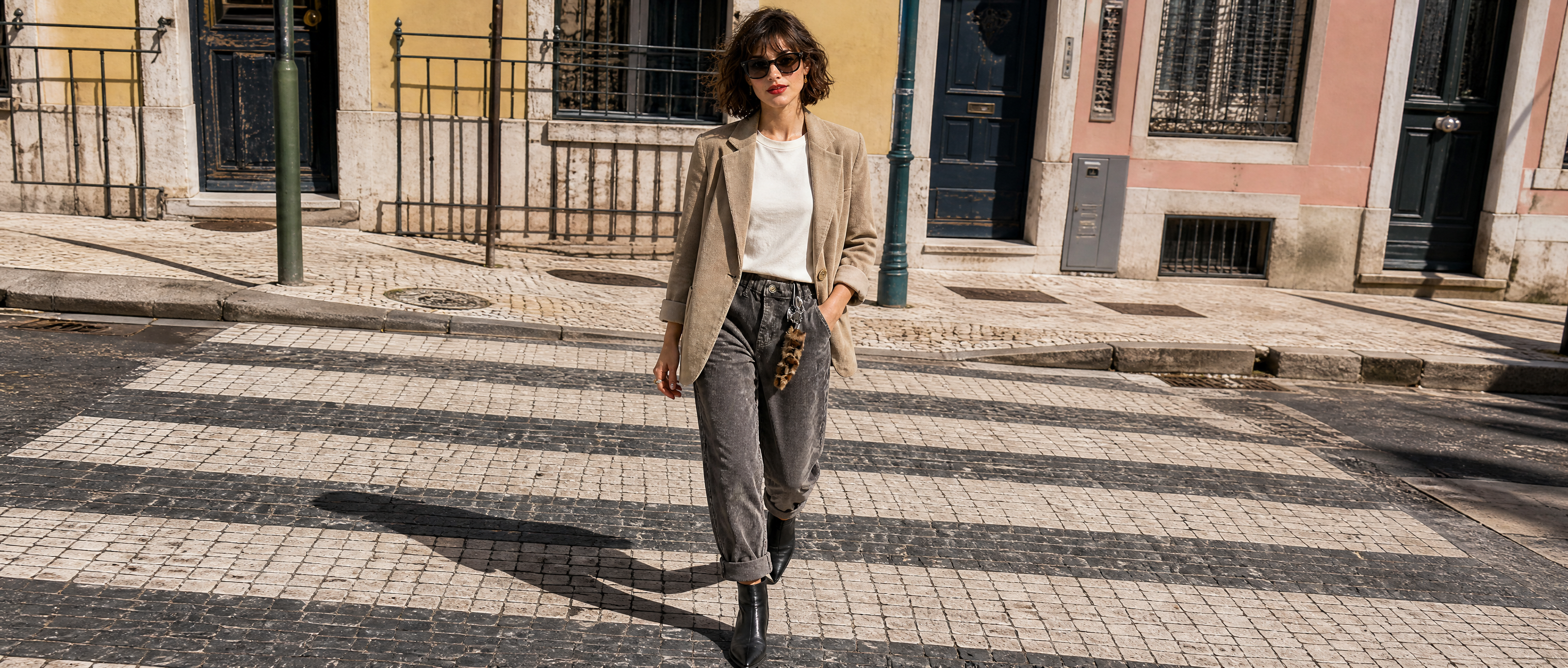
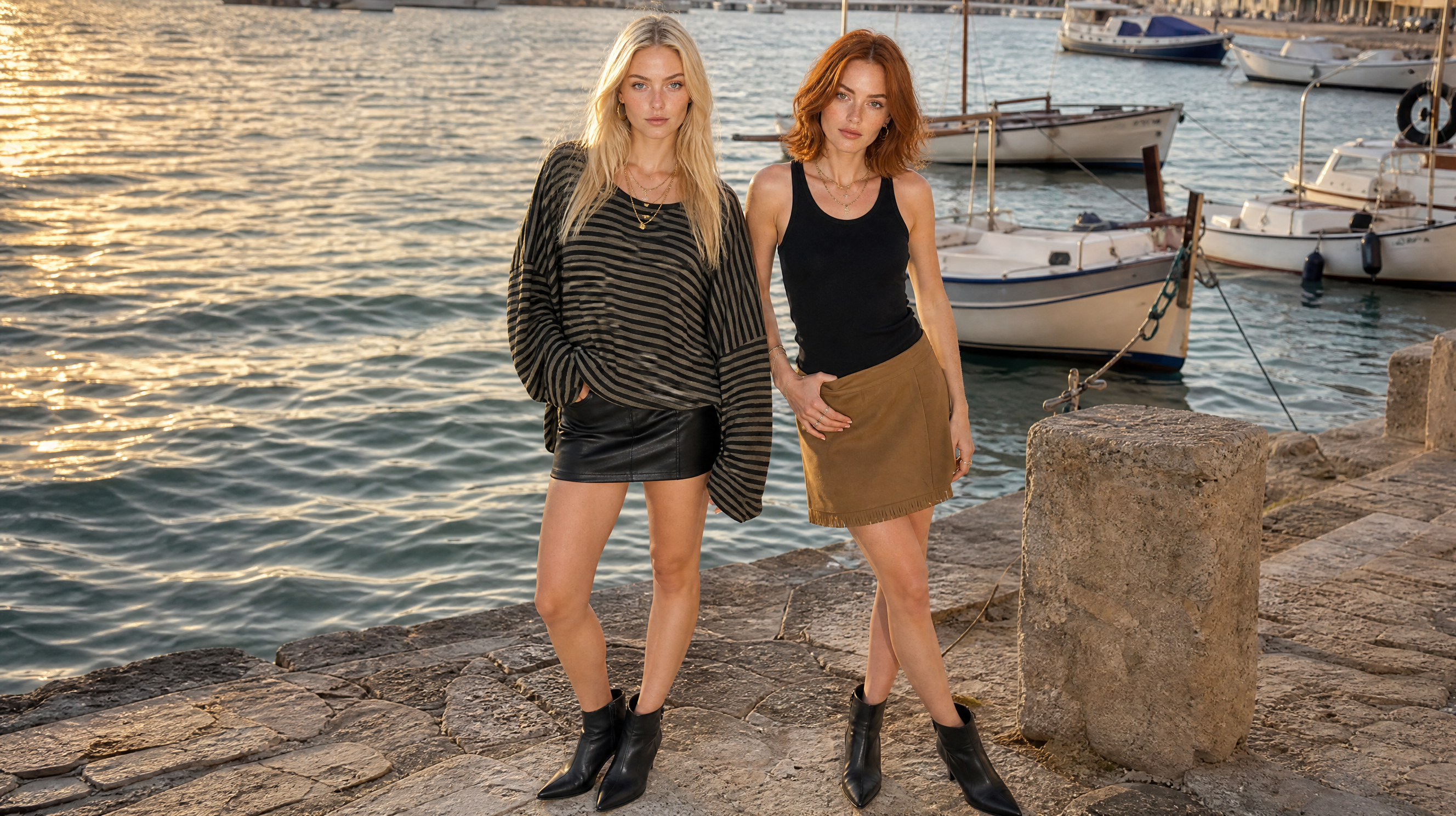
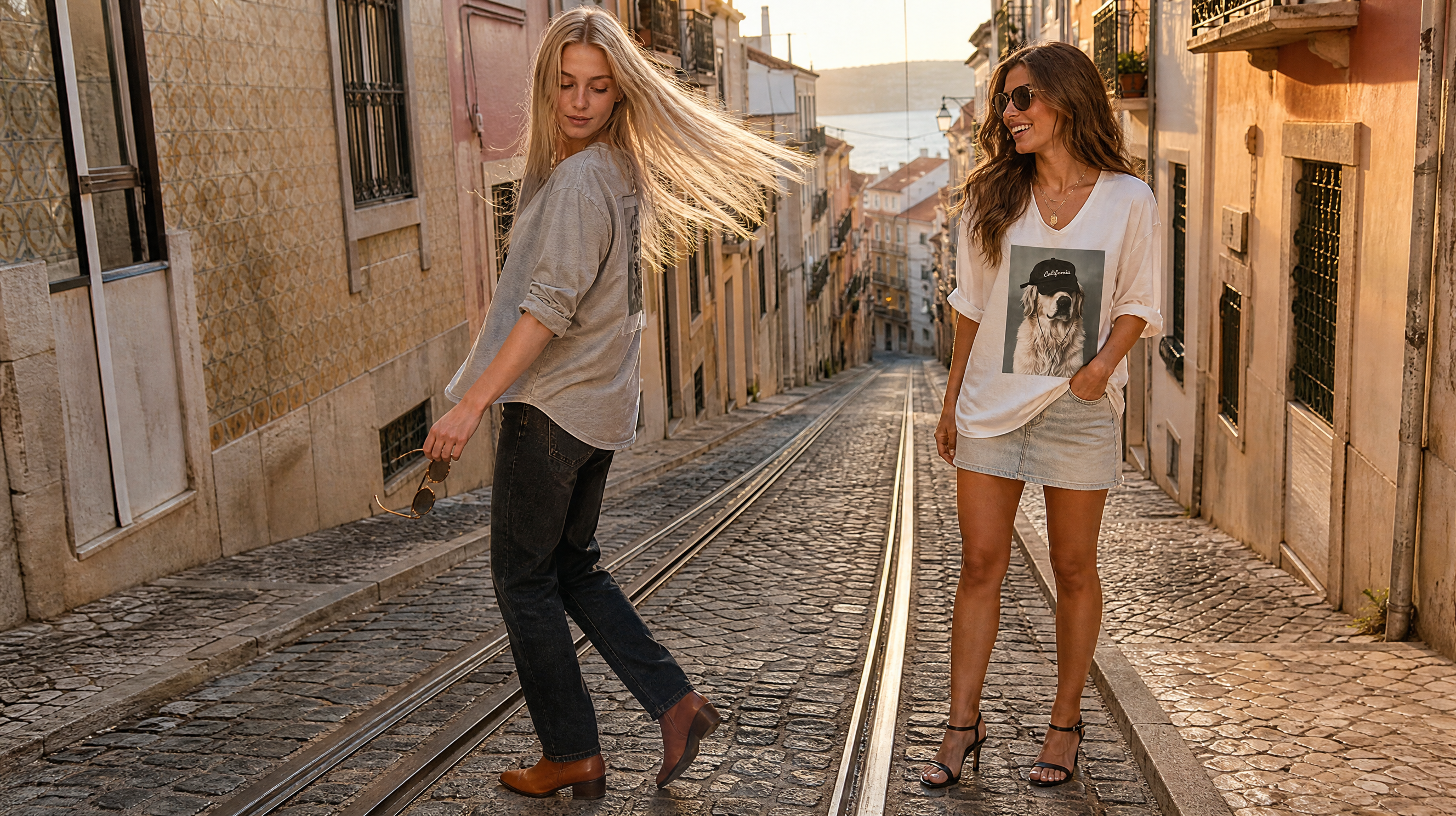
Diverse AI fashion casting is fundamentally changing this dynamic. By leveraging advanced artificial intelligence and generative modeling, brands can now create photorealistic digital humans that wear clothing for online stores, marketing campaigns, and social media. This technology allows for the rapid generation of diverse imagery, showcasing one garment on multiple body types, skin tones, and poses in minutes, not weeks.
This technology isn't just about efficiency; it's about empowerment. Brands can now cultivate an incredibly rich and inclusive fashion models roster without the need for a new studio day for every face. From a single product upload, an AI platform can generate hundreds of on-model shots, each featuring a different virtual model tailored to specific market demographics.
How AI Fuels Inclusivity and Efficiency
The core mechanics behind AI virtual models involve sophisticated algorithms that read a garment's texture and shape from a photograph, then seamlessly map it onto a chosen digital body. This process accounts for fabric drape, wrinkles, and perspective, ensuring a realistic and high-quality rendition. The system can then adjust lighting, background, and pose to meet specific creative directions.
One of the most significant advantages is the ability to generate a broad virtual model roster. Brands can select from a wide range of pre-existing AI-generated models or even create custom brand ambassadors. This level of control extends to adjusting skin tone, body type, age, and styling to perfectly align with brand identity and regional audience expectations. For instance, a brand targeting the Middle East can generate models wearing hijabs or abayas in culturally appropriate styles, all from a single brief, without needing separate shoots or budgets.
This dramatically reduces content production costs, with some brands reporting savings of up to 90% against traditional photoshoots. Timelines shrink from weeks to mere hours for a full seasonal lookbook. This speed and cost-effectiveness allow brands to:
- Achieve broader representation: Easily display garments across three or more body types, skin tones, and age groups from a single product upload.
- Ensure catalog consistency: Maintain uniform lighting, angles, and model identity across an entire catalog, a consistency that real photoshoots often struggle to match.
- Adapt to market nuances: Produce market-specific campaigns with culturally appropriate models and styling for various global regions.
- Reduce returns: Help shoppers better judge fit and drape before purchase, potentially cutting size-related returns.
Flashlook's platform exemplifies this capability, allowing users to select from a vast array of virtual models, ensuring consistency across campaigns. Learn more about Our models and how they can elevate your brand's visual content.
Addressing the Nuances: Types of AI Models
The landscape of virtual models is diverse, with different types serving distinct purposes:
- Fully Synthetic AI Characters: These models exist purely as code, with no real-world counterpart. They can be used for long-term brand ambassador roles, much like a traditional influencer.
- Digital Twins: A real person licenses their likeness, which is then scanned to create a reusable digital copy. This allows for repeated virtual shoots without the physical presence of the model.
- CGI-Built Avatars: Commissioned for high-precision, repeatable catalog and product detail page (PDP) photography, where fit accuracy is paramount.
- Text-to-Model Generators: Create a model from a simple text prompt describing desired ethnicity, age, body type, and pose.
- Model-Swap Tools: These allow for swapping an existing model's face or body on a photo while retaining the garment, pose, and background.
A brand might employ several of these types simultaneously to optimize their content pipeline, using CGI avatars for core catalog shots, digital twins for wholesale line sheets, and quick text-to-model renders for social media ad testing.
The Impact on Catalog Representation
The implications for catalog representation are profound. Brands can now easily iterate on model diversity, testing which demographics resonate most with specific products or campaigns. This data-driven approach allows for continuous learning and refinement of marketing strategies, ensuring that content is not only inclusive but also highly effective.
For mid-sized apparel brands, the ability to generate hundreds of on-model shots from a single product reference in under 24 hours is a game-changer. This agility enables faster launches, more responsive marketing, and the flexibility to update product imagery instantly if inventory changes, rather than scheduling entirely new photoshoots.
While the primary focus is often on diversity, AI also offers unparalleled consistency. Imagine a brand's entire e-commerce catalog featuring consistent lighting, angles, and model identity, regardless of when the product was shot. This level of uniformity enhances brand coherence and provides a more polished shopping experience.
Overcoming Challenges and Looking Ahead
No technology is without its trade-offs. Virtual models still face challenges with rendering complex fabric textures like sheer materials, sequins, or heavy knits. There's also the ongoing discussion about emotional relatability and the ethical considerations surrounding unrealistic beauty standards, as seen with some early AI model campaigns.
However, the technology is rapidly evolving. Platforms like Flashlook are continually refining their capabilities to deliver increasingly realistic and diverse models, focusing on authenticity and ethical representation. The industry is also seeing a push for clear disclosure rules, ensuring transparency when AI-generated imagery is used.
The future of fashion photography is undoubtedly intertwined with AI. For brands committed to inclusivity, efficiency, and staying ahead in a competitive market, embracing diverse AI fashion casting is not just an option-it's an imperative. It empowers them to tell richer, more diverse stories, connect with a broader audience, and redefine what's possible in visual content creation. Explore how Flashlook can transform your visual content strategy by visiting our how it works page.
Ultimately, diverse AI fashion casting offers a powerful tool for brands to build more authentic, inclusive, and globally resonant visual narratives, ensuring that every customer feels seen and represented.
Consistent AI fashion models for catalog and UGC. Open Studio · Browse AI Fashion models