 FLASHLOOK.AI
The Unstoppable Rise of PDP Video: Why Fashion Brands Can't Afford to Wait
Product Detail Page (PDP) video isn't just a trend; it's a critical conversion driver for fashion e-commerce. New data shows video-first PDPs dramatically boost sales and reduce returns, with AI making production more accessible than ever.

In the fast-evolving world of e-commerce, the Product Detail Page (PDP) is the ultimate battleground for conversion. For years, high-quality still photography reigned supreme, but a seismic shift is underway. New data unequivocally shows that product videos, particularly on-model clips, are no longer a 'nice-to-have' but a fundamental requirement for fashion brands looking to boost conversion rates, reduce returns, and build deeper customer trust.
The Data Speaks: Why Video is Outperforming Stills
The evidence is overwhelming: product videos significantly enhance e-commerce conversion rates. Studies consistently report that shoppers who watch a product video are up to 1.81 times more likely to purchase than those who only view static images. Some reports show an average 80% higher conversion rate for pages featuring video. Early adopters like Zappos saw conversion lifts of 6-30% on video-enabled PDPs, while Amazon sellers incorporating video experience 3.6 times more conversions on comparable products.
More recent 2026 benchmarks highlight an even more dramatic shift: merchants who adopted an autoplay, muted short-form video as the hero asset on their product pages saw an average 38% lift in add-to-cart rates across fashion, home goods, and beauty categories. This marks a substantial increase from earlier findings of 14-22% lifts, suggesting improved technology and greater consumer comfort with video as a shopping tool are accelerating its impact.
This isn't just about sales; it's about engagement. Shoppers spend twice as long on pages with video content, allowing more time for product descriptions and reviews to resonate. For fashion, where fit, drape, and movement are paramount, this extended engagement is invaluable.
The Psychology Behind Motion: Why Our Brains Love Video
Why does video work so effectively? It taps into fundamental human psychology:
- Motion Captures Attention: Our brains are hardwired to detect movement - a primal survival instinct. An autoplay video on a PDP immediately grabs attention in a way static images simply cannot. Eye-tracking studies confirm that video elements receive significantly more 'fixations' (moments of active information processing) than still images.
- Simulating In-Store Experience: The primary reason people still visit physical stores is to see and touch products. Video offers the closest online approximation, allowing customers to virtually 'experience' the garment. For apparel, this is crucial for gauging fit and feel, addressing a major driver of returns.
- Building Trust Faster: While images can be meticulously styled and retouched, video - especially authentic, on-model video - signals confidence. A brand willing to show its product in motion implicitly communicates quality and transparency, fostering trust, which is the #1 driver of first-time e-commerce purchases.

The Fashion Advantage: On-Model Video Reigns Supreme
In fashion, not all videos are created equal. The most impactful format by far is on-model video. Showing a real person wearing and moving in the garment consistently outperforms other formats because it directly addresses key concerns:
- Fit Perception: Customers can accurately gauge how the garment fits a human body, not just a flat surface.
- Movement Behavior: Fabrics drape, flow, and interact with the body in ways static shots cannot convey.
- Aspiration and Context: Seeing a model in a relevant setting creates a lifestyle context, triggering desire more powerfully than product-only shots.
Brands incorporating on-model video report conversion lifts of 30-50% on those SKUs. For high-value items like coats, dresses, or suits, this effect is even stronger, as customers seek greater reassurance before making a significant purchase.
Other effective video types for fashion include:
- 360° Product Video: Ideal for footwear, accessories, and structured garments, allowing customers to examine every angle. This format can reduce return rates by up to 40%.
- Lifestyle/Editorial Video: Places the product in a broader narrative, driving discovery, social sharing, and brand positioning. Essential for communicating identity as much as product.
The Mobile-First, Video-First Imperative
Over 70% of e-commerce sessions now occur on mobile devices. On mobile, video significantly outperforms photo galleries because users can watch a video with one hand, a more natural and convenient interaction than swiping through a carousel. Furthermore, platforms like TikTok Shop have trained millions of shoppers to expect video-first product experiences. This expectation is now bleeding into other platforms; a Shopify or Amazon listing without video can feel dated to consumers accustomed to motion-first discovery.

The AI Revolution: Making Video Production Accessible
Despite the clear benefits, many brands have lagged in adopting video due to perceived costs and complexity. Traditionally, video production was expensive and time-consuming. However, 2026 marks a turning point as these barriers collapse thanks to advancements in AI and readily available tools.
Consider the cost savings: some AI-powered platforms claim to reduce content production costs by 85% and time to publish by 90%, enabling a 500% increase in content volume. For fashion brands, this means the ability to create high-quality, on-model videos for hundreds of SKUs without needing a massive budget or a full production team.
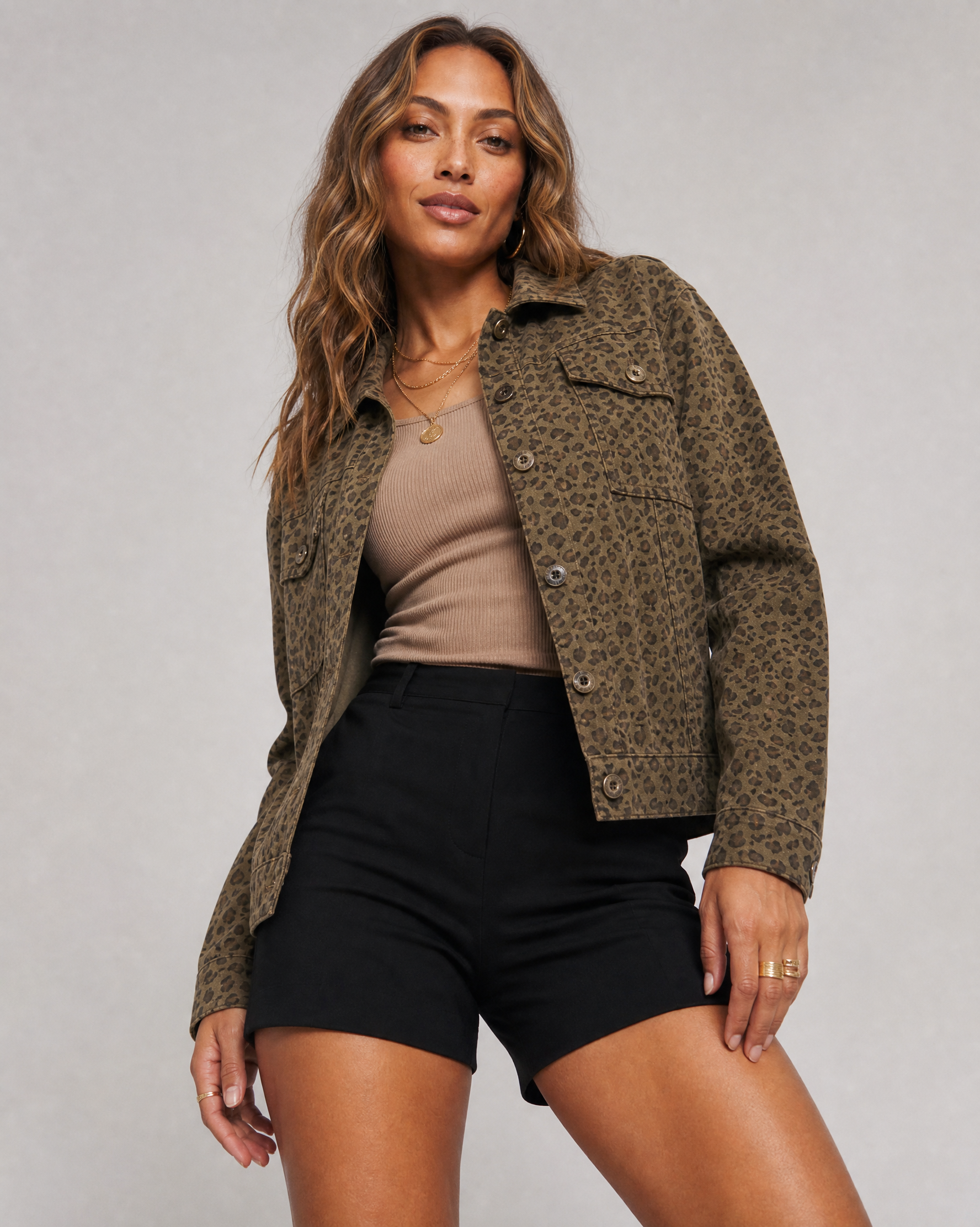
Meta's new Advantage Creative Studio, for instance, uses generative AI to produce 6-second vertical video ads directly from product catalogs, delivering a median 22% return on ad spend (ROAS) lift. Tools like Flashlook are at the forefront of this revolution, offering AI-generated fashion photography and video that captures the nuances of fit, fabric, and movement without the logistical nightmares of traditional shoots. Our platform allows brands to create compelling on-model content quickly and affordably, unlocking the conversion power of video. You can explore our models and see how it works on our how-it-works page.
The Strategic Advantage: Beyond Conversion
Beyond direct conversion lifts, product video offers several strategic benefits:
- AI Entity Recognition: Multimodal AI systems like Alexa for Shopping and ChatGPT are increasingly parsing video content. Listings with rich video provide more signals for these AIs, enhancing product discoverability in conversational commerce environments.
- Reduced Returns: Shoppable videos, which allow direct purchases from interactive overlays, not only boost add-to-cart rates by 15-30% but also significantly reduce return rates by 8-14%. When customers have a clearer understanding of the product's movement, scale, and texture, they make more informed purchases, leading to fewer surprises and returns.
- Increased Average Order Value (AOV): Shoppable videos can also modestly lift AOV (3-7%) by recommending bundles or cross-sells through interactive overlays.
The Path Forward for Fashion Brands
For fashion e-commerce, the message is clear: embracing product video is no longer optional. Brands must:
- Prioritize On-Model Video: Start by replacing hero images with autoplay videos on your top-selling PDPs, focusing on showing garments in motion on diverse models.
- Adopt Shoppable Video: Implement interactive overlays to reduce returns and capitalize on cross-selling opportunities.
- Leverage AI for Production: Utilize platforms like Flashlook to generate high-quality, consistent on-model video content at scale, dramatically reducing costs and time-to-market. Check out our pricing to see how accessible this can be.
- Maintain Consistency: Ensure visual consistency between your still photography and video content, ideally using the same virtual models, to create a cohesive brand experience.
The future of fashion e-commerce is video-first. Brands that embrace this shift now will not only see immediate conversion benefits but will also build a durable competitive advantage in a rapidly evolving digital landscape.
FAQ
How much does product video increase e-commerce conversion rates?
Recent data shows that product videos can increase e-commerce conversion rates by an average of 38% for video-first product pages, and even higher (up to 80%) compared to pages with only static images. Shoppers who watch a product video are up to 1.81 times more likely to purchase.
Why is on-model video particularly effective for fashion brands?
On-model video is highly effective for fashion because it allows customers to accurately gauge fit, observe how fabrics move and drape on a human body, and see the garment in a lifestyle context. This addresses key concerns that static images cannot, leading to higher purchase confidence and significantly reduced returns.
Can product videos help reduce returns?
Yes, product videos, especially shoppable videos with interactive overlays, have been shown to reduce return rates by 8-14%. By providing a more comprehensive understanding of the product's appearance, movement, and texture, videos help customers make more informed decisions, leading to fewer surprises and subsequent returns.
Is product video production still expensive and complicated?
No, advancements in AI and accessible tools have dramatically reduced the cost and complexity of product video production. AI-powered platforms can cut content production costs by 85% and time to publish by 90%, making high-quality video content generation scalable and affordable for brands of all sizes.
How does product video impact mobile shopping?
Product video is crucial for mobile shopping, which accounts for over 70% of e-commerce sessions. Videos are more engaging and easier to consume on mobile devices than scrolling through photo galleries, aligning with the mobile-first, video-first expectations set by platforms like TikTok Shop.
What is the role of AI in product video for fashion?
AI revolutionizes product video for fashion by enabling brands to create high-quality, consistent on-model video content rapidly and affordably. AI tools can generate virtual models, produce diverse poses and movements, and even create video ads from product catalogs, democratizing access to compelling visual content and significantly boosting ROI.
Consistent AI fashion models for catalog and UGC. Open Studio · Browse AI Fashion models