 FLASHLOOK.AI
Beyond the Hanger: How On-Model Photos Drastically Reduce Fashion Returns
Unclear product photos are a silent culprit behind high fashion return rates. Discover how accurate, on-model imagery can transform customer expectations and boost your bottom line.

In the fast-paced world of online fashion, a seemingly small detail-the quality and accuracy of your product photography-can have a monumental impact on your bottom line. While brands often focus on pricing, promotions, or even elaborate sizing charts to combat returns, the truth is that a significant portion of fashion returns can be traced back to one fundamental issue: the product photos didn't accurately represent the garment.
Customers shopping online can't touch the fabric, assess its weight, or try on an item before purchasing. Their entire decision-making process hinges on the visual information provided. If these images misrepresent the color, the drape, the texture, or, crucially, the fit, customers aren't buying the actual product; they're buying an idea of it. When the package arrives and reality doesn't align with that expectation, the item often goes straight back.
The Hidden Cost of Unclear Imagery
Returns are one of the most expensive problems in fashion e-commerce. Beyond the obvious costs of reverse logistics, return shipping, and restocking labor, there's the lost margin if an item comes back damaged or unsellable. These costs quickly accumulate, making product photography not just a marketing expense, but a critical investment in returns prevention.
Many retailers mistakenly assume that most returns are purely a sizing problem. While sizing certainly plays a role, a large percentage of items labeled "wrong size" at the returns desk are actually a symptom of inadequate photography. A garment that appears boxy in a flat lay shot might actually have a beautifully tailored waist. A sweater photographed under warm studio lights might look mustard yellow online but is genuinely olive green in person. A dress shown only from the front provides no indication of how it falls at the back or moves when worn.
Customers aren't returning items because they're irrational; they're returning them because the product imagery created an expectation that the physical product failed to meet.
Why On-Model Imagery is a Game Changer for Fit Accuracy
One of the most effective strategies to combat high return rates is to consistently show garments on a body whenever possible. On-model ecommerce photos are incredibly powerful because they remove much of the guesswork from the online shopping experience. They clearly communicate:
- Proportion and Scale: How the garment sits on a human body, its length, and overall size relative to a person.
- Fabric Drape and Movement: How the material flows, folds, and moves, which is impossible to convey with a flat image.
- Fit and Silhouette: Where seams, waistlines, and hems fall, and how the garment's cut complements the body's natural curves.
- Style Alignment: Whether the overall aesthetic aligns with the shopper's self-image and how they envision wearing the item.
This clarity becomes a deciding factor for many buyers, helping them visualize themselves in the clothing and make more informed purchasing decisions. When customers can accurately judge the fit before they click "buy," they are far more likely to keep the item.

Beyond the Model: Pillars of Effective Product Photography
While on-model shots are crucial, a comprehensive approach to product photography involves several other key elements to ensure fit accuracy imagery and reduce fashion returns:
1. Multiple Angles and Detail Shots
One or two front-facing images are rarely enough. To truly inform the customer, every fashion product should include:
- Front, Back, and Side Views: Essential for understanding the garment's full silhouette and design details from all perspectives.
- Three-Quarter Angles: Offer a dynamic view that combines elements of front and side, showing how the garment moves.
- Close-ups of Fabric and Key Details: These shots reveal texture, weave, stitching, and embellishments, providing tactile information that's otherwise missing online.
Each additional angle answers a specific question and reduces uncertainty, preventing disappointment upon unboxing.
2. Color Accuracy and Consistent Lighting
Color mismatch is a leading cause of returns. Calibrated lighting and consistent white balance across your entire product range are non-negotiable. A "navy" jumper must look navy on every device, not blue on one screen and black on another. This sounds basic, but inconsistent color representation erodes customer trust. Accurate color representation isn't just about aesthetics; it's a return prevention measure.
3. Visual Size and Fit Context
While text-based size charts are helpful, visual references are even more effective. Including details like the model's height, the size they are wearing, and specific garment measurements (e.g., inseam length, bust circumference) empowers shoppers to choose the correct size with greater confidence. This contextual information bridges the gap between a flat measurement chart and how the garment will actually look on a body.
4. Consistency Across the Entire Catalog
Inconsistency in visuals across your site can be a subtle but significant driver of returns. If half your products are shot with accurate, true-to-life color and lighting, and the other half are not, customers begin to lose trust in your imagery generally. A consistent studio process-applying the same lighting style, background, framing, and even model type (or virtual model style)-builds trust and allows customers to easily compare items and set reliable expectations across all products.
The AI Advantage in Fashion Photography
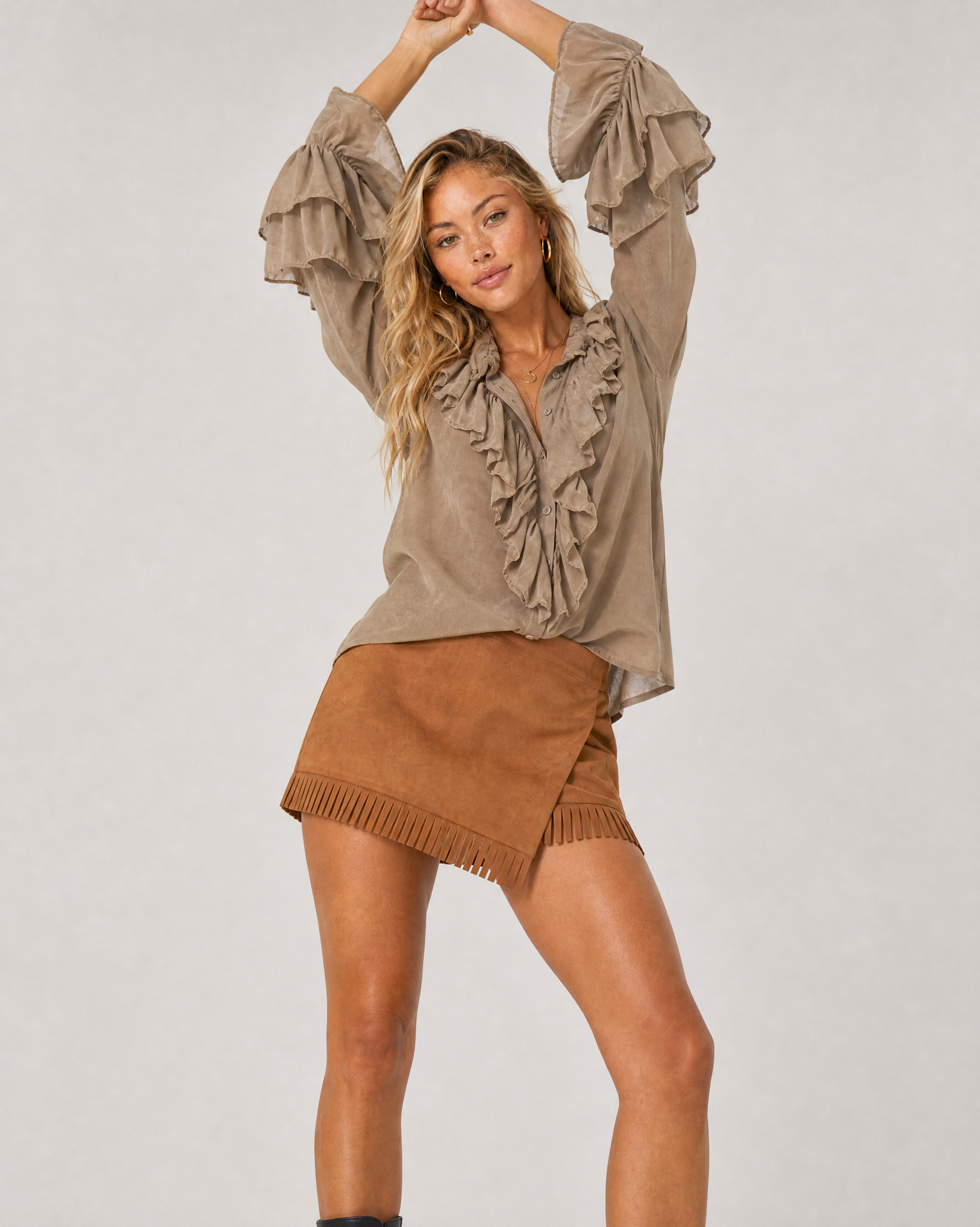
Achieving this level of consistency and detail across a large catalog can be a logistical and financial challenge for many brands. This is where AI-powered fashion photography platforms like Flashlook offer a revolutionary solution. By leveraging AI, brands can generate high-quality, consistent on-model ecommerce photos without the complexities and costs associated with traditional photoshoots.
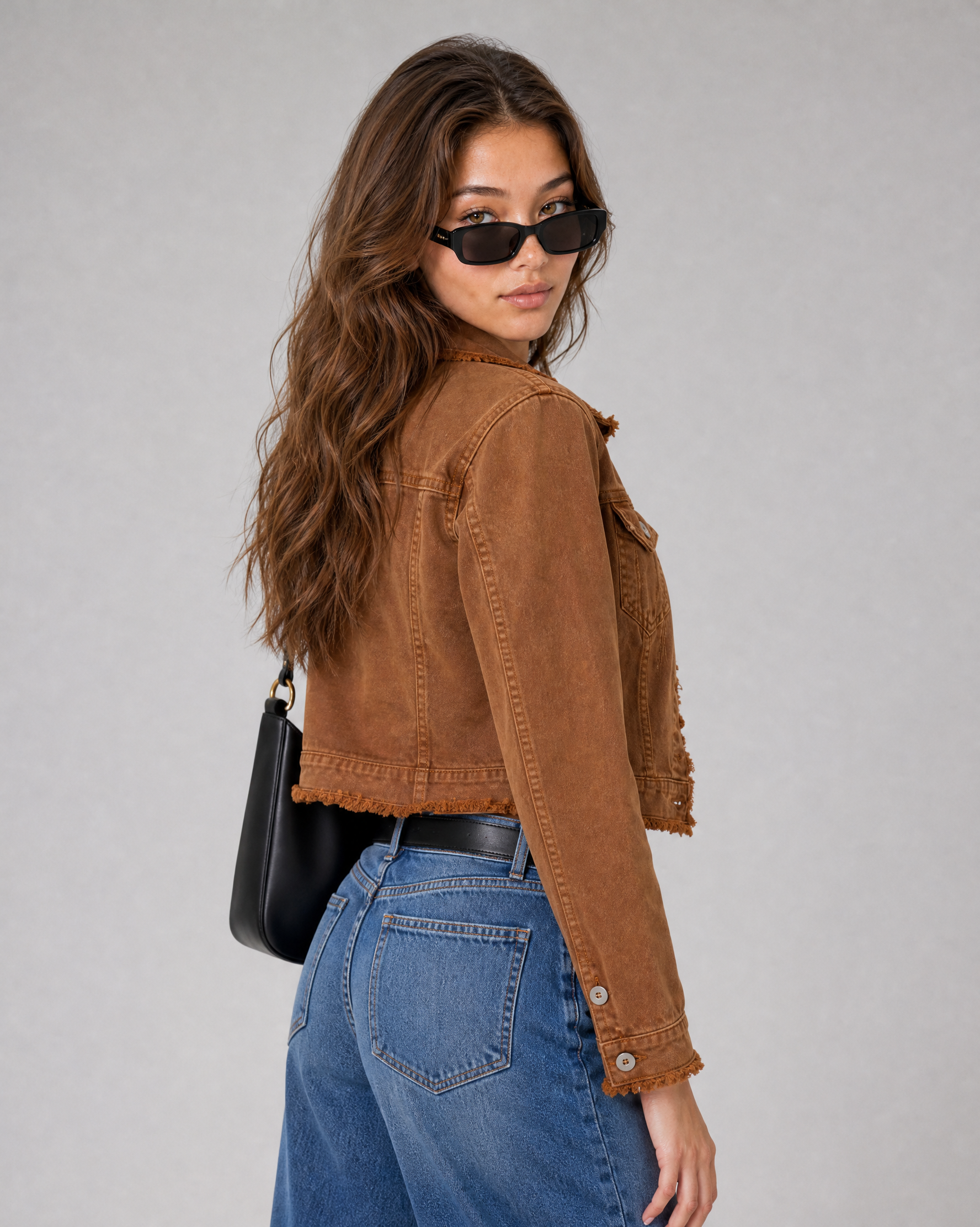
AI virtual models can be posed in countless ways, showcasing garments from every angle, highlighting fabric drape, and ensuring consistent lighting and color accuracy across an entire collection. This technology allows brands to scale their visual content production, providing the detailed, accurate imagery that customers need to make confident purchasing decisions, thereby helping to significantly reduce fashion returns.
The Operational Impact of Clearer Images
Reducing returns does more than just improve customer satisfaction; it has a profound positive impact on a brand's operational efficiency and profitability:
- Lower Reverse Logistics Costs: Fewer returns mean less expense for shipping, handling, and processing returned items.
- Reduced Restocking Labor: Less time and effort spent inspecting, repackaging, and re-shelving returned merchandise.
- Better Product Reviews: Customers who receive what they expect are more likely to leave positive reviews.
- Higher Repeat Purchase Rates: Satisfied customers are loyal customers who return to buy again.
- More Efficient Advertising Spend: When product images accurately represent items, conversion rates improve, making marketing efforts more effective.
Ultimately, clearer product images improve margins without needing to change pricing or product quality. They function as a silent salesperson, accurately communicating fit, fabric, proportion, and detail, enabling customers to make better decisions and keep what they buy.
Conclusion
Fashion returns are primarily caused by unclear expectations, not necessarily poor products. By prioritizing clarity and accuracy in product photography, especially through the use of on-model imagery and leveraging advanced tools like AI, brands can build trust, protect their margins, and foster more sustainable growth. Investing in high-quality, consistent product visuals is an investment in customer confidence and a direct path to reducing the costly problem of returns in fashion e-commerce.
FAQ
How do product photos influence fashion return rates?
Product photos are the primary source of information for online shoppers. If images misrepresent color, fit, drape, or texture, they create inaccurate expectations. When the actual product doesn't match these expectations, customers are likely to return it, leading to higher return rates.
Why are on-model images particularly effective at reducing returns?
On-model images show how a garment fits, drapes, and moves on a human body. This helps customers visualize themselves wearing the item, understand its true proportion and scale, and assess the fit more accurately, significantly reducing uncertainty and the likelihood of returns due to fit issues.
What common image mistakes lead to higher fashion returns?
Common mistakes include relying solely on flat lay or ghost mannequin images (which don't show fit on a body), showing too few product angles, over-editing that creates unrealistic expectations, and inconsistent visuals across the product catalog. All these factors contribute to expectation mismatches.
Besides on-model shots, what other photography practices help reduce returns?
Using multiple angles (front, back, side, detail shots), ensuring precise color accuracy with calibrated lighting, providing visual size and fit context (e.g., model's size and height), and maintaining a consistent visual style across all products are crucial for reducing returns.
Can AI-generated fashion photography help reduce returns?
Yes, AI-generated fashion photography, like that offered by Flashlook, can significantly help. It allows brands to create consistent, high-quality on-model images from various angles, ensuring accurate representation of fit, drape, and color, all while being cost-effective and scalable, directly addressing common causes of returns.
What are the business benefits of reducing fashion returns through better imagery?
Reducing returns leads to lower operational costs (shipping, restocking), fewer customer complaints, better product reviews, higher repeat purchase rates, and more efficient marketing spend. It improves overall profitability and builds stronger customer trust and loyalty.
Consistent AI fashion models for catalog and UGC. Open Studio · Browse AI Fashion models