 FLASHLOOK.AI
Navigating AI Product Image Policies Across Major Marketplaces
AI-generated product images offer immense potential for fashion brands, but understanding each marketplace's specific rules is crucial for compliance. This guide breaks down policies from Amazon, TikTok Shop, Etsy, and more.

The rise of artificial intelligence in fashion photography has revolutionized how brands present their products online. From virtual models to AI-enhanced backgrounds, the possibilities are vast. However, as AI tools become more sophisticated and accessible, major e-commerce marketplaces are establishing clear guidelines for their use. For fashion sellers, understanding and adhering to these diverse marketplace AI product image policy rules is not just about avoiding penalties; it's about maintaining trust with customers and ensuring accurate product representation.
While no major marketplace outright bans AI-generated product photos, there's no universal rule either. Each platform has its own nuances regarding accuracy, disclosure, and the specific types of AI-generated content allowed. This guide will help you navigate the complexities, focusing on key platforms like Amazon, TikTok Shop, and Etsy, and offering practical advice for staying compliant.
The Three Pillars of AI Image Compliance
When evaluating whether your AI-generated or AI-enhanced product images meet marketplace standards, consider these three critical aspects:
- Permission: Does the platform explicitly permit AI-generated images, AI edits of real photos, or only conventional photography for a specific image slot?
- Accuracy: Does the image truthfully represent the product's size, color, features, condition, and included accessories? This is arguably the most consistent rule across all platforms.
- Disclosure: Is there a requirement to preserve metadata, add a visible label, or use a specific tag to indicate AI generation or modification?
It's important to remember that these layers are distinct. Fulfilling one doesn't automatically satisfy another. For instance, adding an AI label won't make a synthetic main image acceptable on a marketplace that demands a real photograph of the item.
Key Marketplace Policies for AI Product Images
Let's delve into the specific requirements of major e-commerce platforms:
Amazon AI Images Policy
Amazon's policy is evolving, with a significant update in July 2026 driven by legislation like New York's AI advertising disclosure law. The core requirement for sellers is transparency, especially concerning AI-generated people.
- Accuracy: Amazon's product image rules emphasize accurate product representation and impose category-specific main image standards.
- AI-Generated People Disclosure: If your product images, lifestyle shots, videos, or A+ Content feature photorealistic AI-generated people, you must add the keyword
contains-synthetic-performerto thedc:subject(XMP) field of the media file before uploading. Amazon will then display an indicator to customers that the image includes AI-generated people. - What doesn't need a tag: Images featuring real people (even if AI-edited), fictional characters, or non-photorealistic AI-generated content (e.g., illustrations) do not require this specific tag.
- Practical Tip: Review your workflow if you use AI for lifestyle shots. Ensure your team or agency is adding the required metadata to any images with synthetic performers. This helps maintain customer trust by setting realistic expectations about fit and scale.
TikTok Shop AI Photos
TikTok Shop has a stricter stance on digital renderings for product listings, prioritizing the display of the actual physical product.
- Prohibition on Digital Renderings: TikTok Shop's Product Listing Policy explicitly prohibits placeholders and digital renderings. The main image must show the physical product on a white background.
- Accuracy: AI cannot be used to alter the product's size, color, shape, features, or performance in a misleading way. No false scale or fake effects are allowed.
- Promotional Content Disclosure: While listing images have strict rules, separate promotional content (like shoppable videos or LIVE content) that is fully or significantly AI-generated or edited requires disclosure, often via an on-screen label or the platform's AI-generated content toggle. TikTok Shop states that using this toggle alone will not demote your content.
- Practical Tip: For product listings, always use a real photograph of your item. Reserve AI for enhancing backgrounds or creating promotional content, ensuring proper disclosure.
Etsy's Approach to Originality
Etsy, known for its handmade and vintage goods, places a strong emphasis on originality and authenticity in product photography.
- Original Photos Required: Etsy's Listing Image Requirements generally mandate the seller's own photographs of the actual finished product. Artistic renderings or stock photos are typically not allowed, with limited exceptions for certain customized items or production-partner products.
- AI Alterations: AI cannot be used to change the color, texture, condition, or design of the product in a listing image.
- Disclosure for AI-Created Items: If the item itself was created using AI (e.g., AI-generated art sold as a print), sellers must disclose AI use in the listing description.
- Practical Tip: Always include at least one unedited photo of your actual product against a real background. If you use AI for minor enhancements (e.g., background removal), ensure it doesn't alter the product's core appearance, and consider noting AI photo edits in the listing description.
Walmart Marketplace US
Walmart's guidelines focus heavily on accuracy and truthfulness.
- Accuracy and Truthfulness: AI-generated content must be accurate, truthful, rights-compliant, and consistent with Marketplace policies. Images must accurately reflect the item being sold.
- Main Image Standards: The main image requires a pure white background and cannot show accessories not included with the item.
- No Specific AI Disclosure: The current US image guide does not state a separate AI-disclosure step for product images.
- Practical Tip: AI can be used to enhance presentation, but it must never invent or alter the product itself. Ensure your main image adheres to the white background and accessory rules.
Google Merchant Center & Ads
Google is embracing AI while requiring transparency through metadata.
- Generative AI Images Allowed: Google's AI-generated content policy permits generative-AI images in main, additional, and lifestyle image attributes.
- Metadata Requirement: Generative-AI images must retain the applicable IPTC
DigitalSourceTypemetadata. This ensures Google can identify and potentially label AI-generated content. - Google Ads: Google provides generative image tools for ads and holds generated creative to the same advertising policies, including misrepresentation rules. An AI-label setting is available globally, with visible overlays in certain regions.
- Practical Tip: When exporting AI-generated images, confirm that processing and feed ingestion do not strip the required IPTC metadata.
Other Platforms: eBay, Pinterest, Meta Ads, Shopify, Wayfair, Faire
- eBay: Permits its own AI background tool. Its picture policy bars inaccurate images and stock photos for used/damaged items. No general AI-image disclosure is currently stated.
- Pinterest: Community Guidelines apply regardless of how a Pin was created. Pinterest adds an AI label when metadata, classifiers, or content owner declarations indicate AI generation or modification. Preserve provenance signals.
- Meta Ads (Facebook, Instagram): Allows generative-AI ad creative. Meta labels images/videos created or significantly edited with its own tools and is rolling out detection for third-party AI creative. Accuracy remains paramount for ad approval.
- Shopify: As commerce infrastructure, Shopify makes merchants responsible for store materials, disclosures, and compliance with consumer-protection laws. Its core terms don't create a universal AI-photo label for storefront media. Merchants must follow applicable laws and downstream channel rules.
- Wayfair & Faire: Both require truthful, accurate product information and high-resolution photographs. Neither publicly states a specific generative-AI exception or disclosure step. For these platforms, it's safest to treat fully synthetic product replacements cautiously and seek current partner guidance.

Staying Compliant: Best Practices for Fashion Sellers
Given the varied and evolving landscape of ecommerce marketplace AI rules, a proactive approach is essential. Flashlook's AI-powered platform can help you generate stunning fashion photography while keeping compliance in mind. Our virtual models offer a versatile solution for showcasing your apparel without the logistical challenges of traditional photoshoots.
Here are some overarching best practices:
- Start with a Real Product Photo: For most marketplaces, especially for main listing images, the safest bet is to begin with a real photograph of your product. AI can then be used for enhancements like background removal or model generation.
- Prioritize Accuracy: Always compare your AI-generated or AI-enhanced image with the actual product. Ensure it accurately reflects size, color, shape, features, and condition. Do not show accessories, bundles, or quantities that the buyer will not receive.
- Preserve Metadata: Do not strip metadata when compressing images, as platforms like Google, Meta, and Pinterest rely on it for AI detection and labeling.
- Understand Disclosure Requirements: Be aware of specific tagging requirements, like Amazon's
contains-synthetic-performertag for AI-generated people, or Etsy's recommendation to note AI edits in descriptions. - Check Image Slot Rules: Policies can differ for main images, additional images, lifestyle shots, and promotional content. Always verify the rules for the specific image slot you are uploading to.
- Regularly Review Policies: Marketplace policies are dynamic and can change frequently. Make it a habit to recheck guidelines every few months, especially for platforms where you actively sell.
- Leverage AI Responsibly: Tools like Flashlook allow you to create high-quality, diverse fashion imagery efficiently. By understanding the rules, you can harness AI's power to enhance your product presentation without compromising compliance or customer trust. Explore how it works on our how it works page.
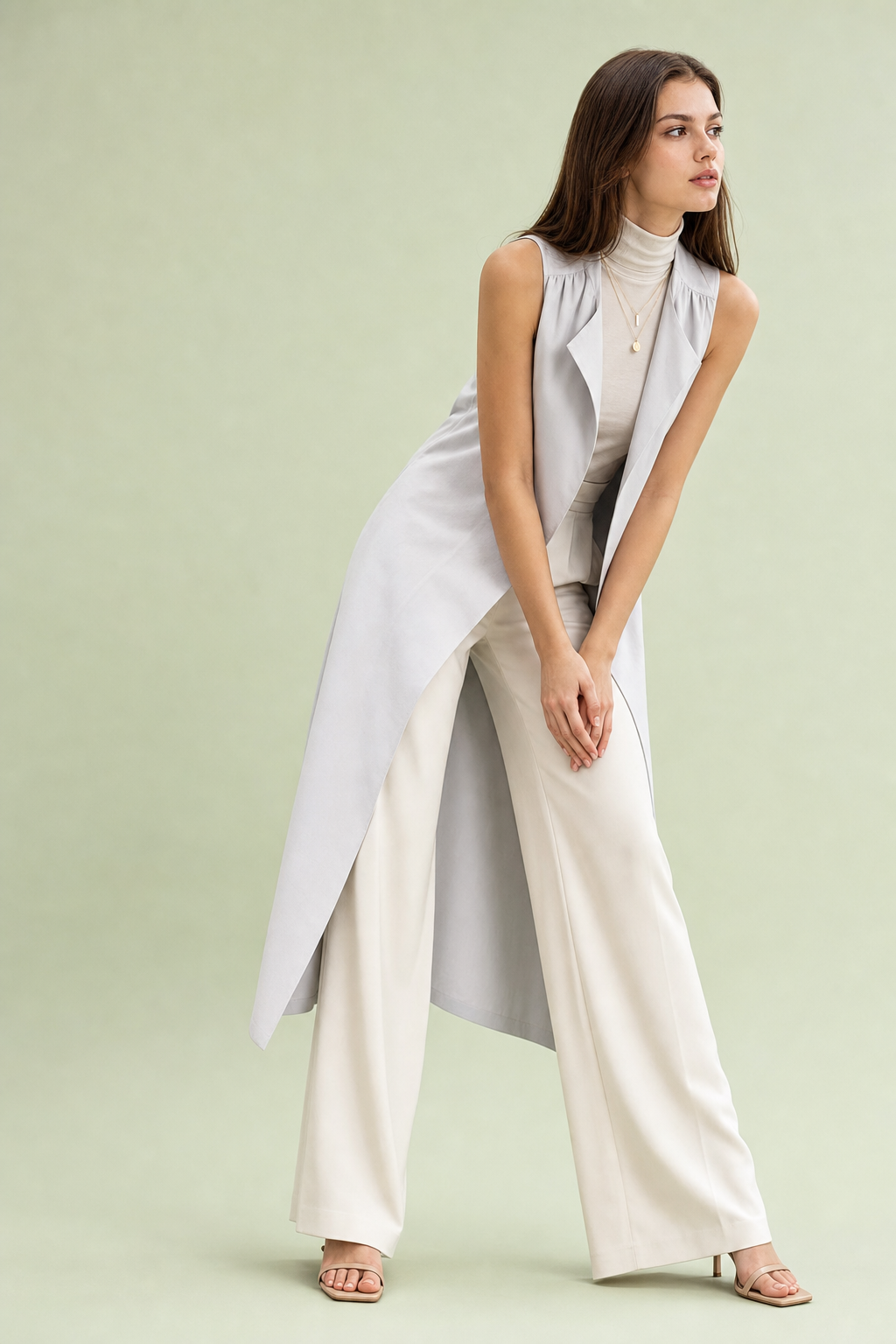
The Future of AI in Fashion Photography
As AI technology continues to advance, we can expect marketplaces to refine their policies further. The trend is clear: AI is here to stay, but transparency and accuracy will remain paramount. For fashion brands, this means embracing AI tools like Flashlook's Atelier for creative freedom while meticulously adhering to platform guidelines. By doing so, you can unlock the full potential of AI to elevate your brand's visual storytelling and drive sales.
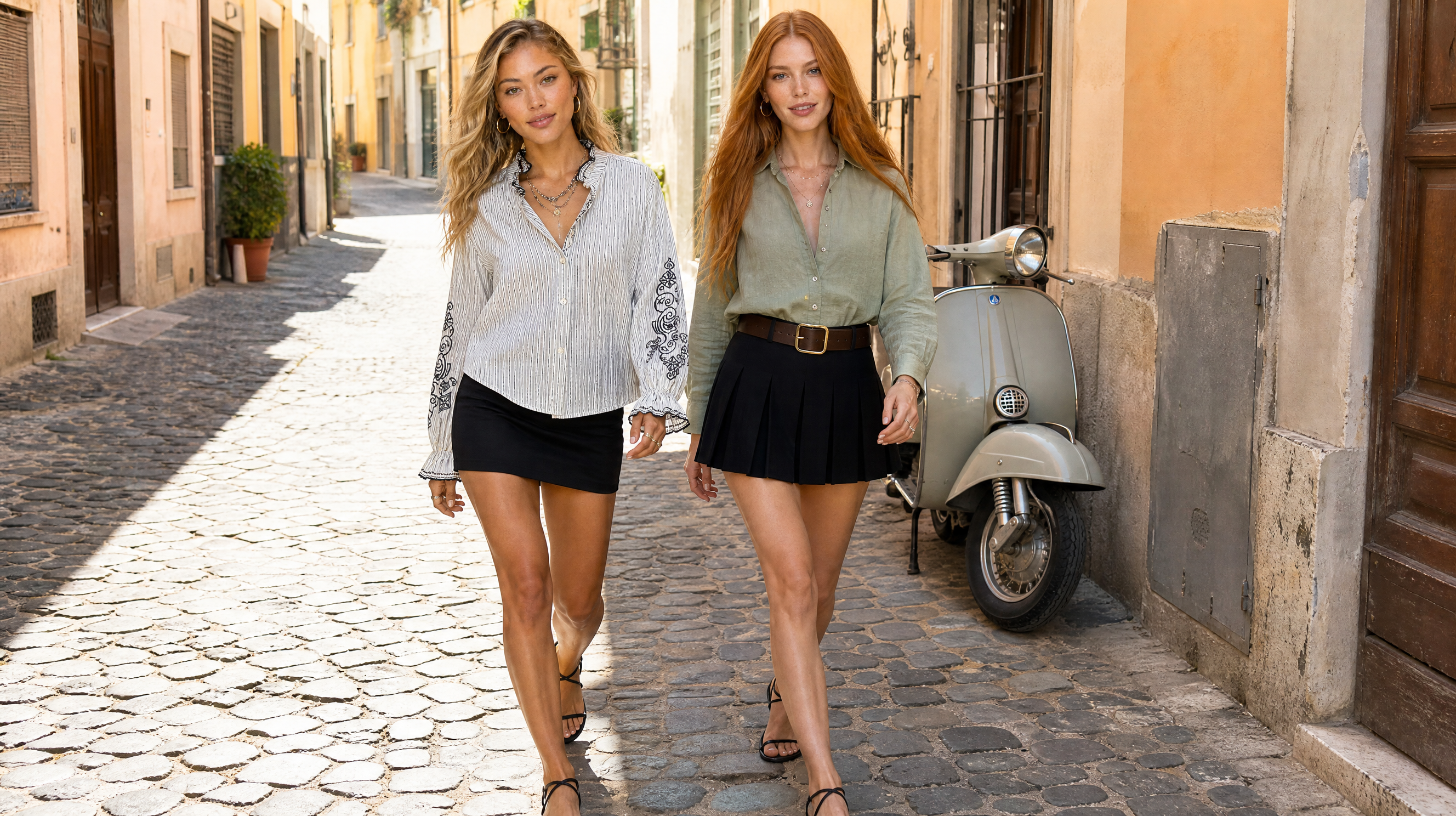
Conclusion
Navigating the complex world of marketplace AI product image policy requires diligence and a clear understanding of each platform's unique demands. While the rules vary, the underlying principle of accurate representation and, increasingly, transparency about AI-generated elements, remains consistent. By following these guidelines, fashion sellers can confidently leverage AI to create compelling product visuals that resonate with customers and comply with marketplace standards.
FAQ
Do major marketplaces allow AI-generated product images?
Most major marketplaces permit at least some AI-assisted product imagery, but there is no universal rule. All platforms emphasize that images must accurately represent the product. Some, like Etsy, require at least one unedited photo of the actual item, while others, like Amazon, have specific disclosure requirements for AI-generated people.
What is Amazon's policy on AI-generated images?
Amazon requires sellers to disclose when product images or videos contain photorealistic AI-generated people. This is done by adding the keyword "contains-synthetic-performer" to the image's metadata. Images featuring real people (even if AI-edited) or non-photorealistic AI content do not require this tag. Accuracy and adherence to Amazon's general product image guidelines are always mandatory.
Can I use AI-generated photos on TikTok Shop?
TikTok Shop's Product Listing Policy prohibits placeholders and digital renderings for product listings, requiring the main image to show the physical product on a white background. AI cannot be used to misleadingly alter the product's size, color, or features. However, separate rules apply to promotional content, where AI-generated or significantly AI-edited content requires disclosure, often via an on-screen label or toggle.
Do I need to label AI-edited photos of real people on Amazon?
No, Amazon's "contains-synthetic-performer" tag is only required for images or videos that feature a photorealistic person who was entirely generated by AI. Photos of real people that were edited or enhanced with AI tools, and product images with no people in them, do not need this specific Amazon tag.
What are Etsy's rules for AI product images?
Etsy generally requires sellers to use their own photographs of the actual finished product, not artistic renderings or stock photos. While minor AI enhancements might be tolerated if they don't alter the product's core appearance, sellers are encouraged to include at least one unedited photo. If an item itself was created using AI, disclosure in the listing description is required.
How can I ensure my AI product images are compliant across all platforms?
To ensure compliance, always prioritize accuracy, ensuring AI images truthfully represent the product. Include at least one unedited photo of the real product where required. Preserve image metadata, and apply specific disclosure tags (like Amazon's) when necessary. Regularly review each marketplace's evolving policies, as rules can vary by platform, category, and image slot.
Consistent AI fashion models for catalog and UGC. Open Studio · Browse AI Fashion models