 FLASHLOOK.AI
Ghost Mannequin vs. On-Model: Elevating Apparel Photography with AI
Choosing between ghost mannequin and on-model photography has long been a critical decision for fashion brands. Now, AI offers a powerful hybrid solution that merges the best of both worlds.
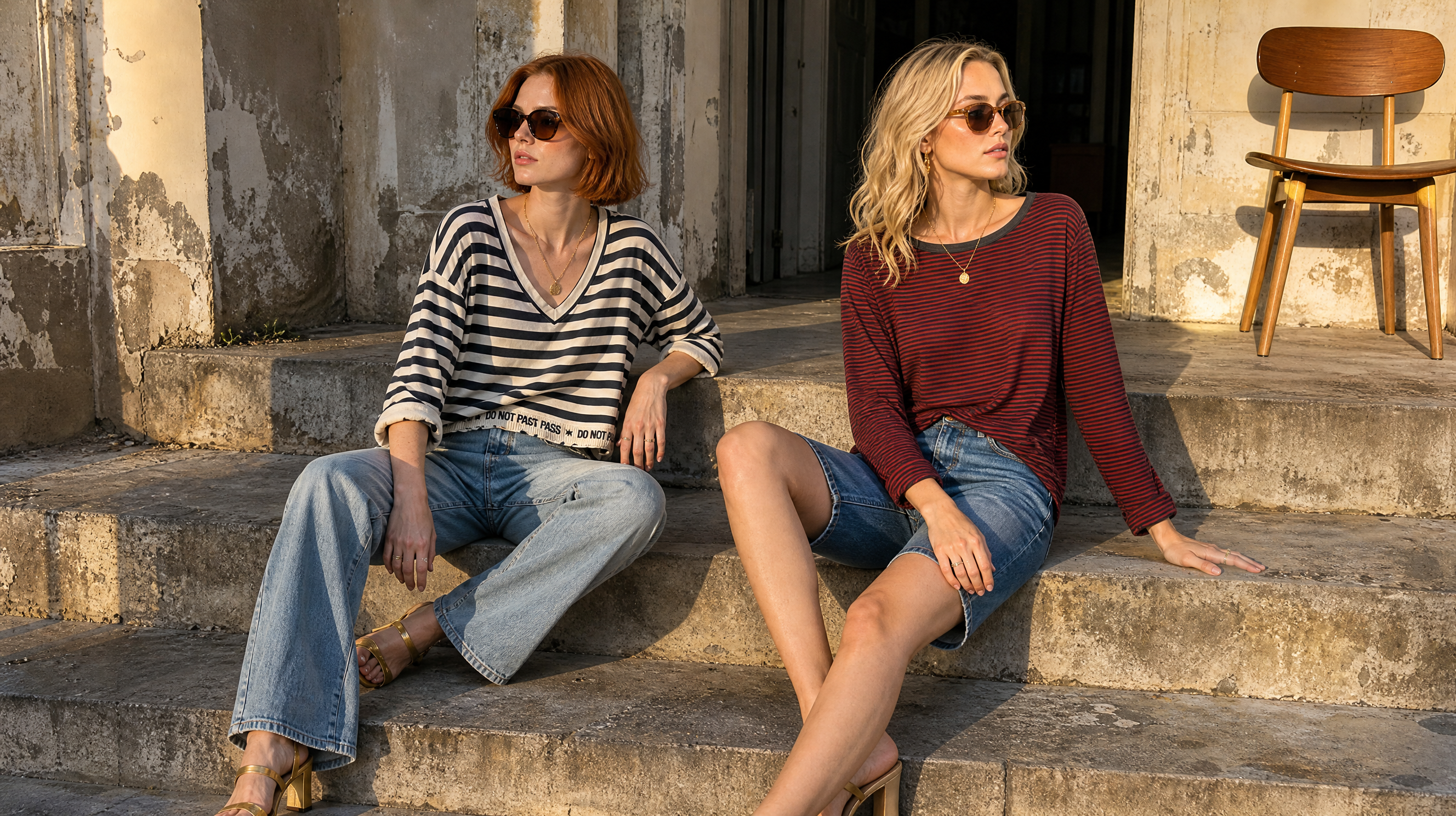
In the dynamic world of fashion e-commerce, product imagery is the silent salesperson. For years, brands have grappled with a fundamental choice for their product detail pages (PDPs): opt for the clinical precision of ghost mannequin photography or the aspirational appeal of on-model shots. Each approach has its merits and drawbacks, influencing everything from production costs and conversion rates to customer expectations and return rates.
However, the advent of AI fashion photography platforms like Flashlook has rewritten the rules, offering a sophisticated hybrid solution that captures the best of both worlds. Let's delve into the traditional debate of ghost mannequin vs on-model photography and discover how AI is revolutionizing the landscape.
The Ghost Mannequin Approach: Precision and Consistency
Ghost mannequin photography, also known as the "invisible mannequin" technique, involves photographing a garment on a physical mannequin, then meticulously editing out the mannequin itself in post-production. The result is a crisp, three-dimensional image that showcases the garment's shape, structure, and internal details as if an invisible person were wearing it.
Pros of Ghost Mannequin Photography:
- Unwavering Consistency: Without a visible model, the focus remains entirely on the product. This creates a clean, uniform look across an entire catalog, which is particularly beneficial for large inventories or marketplaces requiring neutral primary images.
- Cost-Effectiveness (Traditional): Compared to traditional live model shoots, ghost mannequin setups generally avoid model fees, hair and makeup artists, and extensive styling teams. This can translate to lower upfront production costs.
- Highlighting Construction: This method excels at revealing intricate details like collars, lapels, stitching, linings, and the garment's overall construction, which are crucial for tailored items, outerwear, or dresses with specific internal structures.
- Scalability: Ghost mannequin workflows can be highly templated, allowing for more predictable and efficient production at volume, especially when dealing with many SKUs.
Cons of Ghost Mannequin Photography:
- Lack of Emotional Appeal: Images can appear cold, hollow, and utilitarian. They struggle to convey lifestyle, brand identity, or the emotional connection that shoppers often seek with fashion.
- Difficulty with Fit and Drape: A static, invisible form doesn't accurately represent how a garment drapes or moves on a living body. Shoppers may struggle to gauge scale, fit, and proportion, potentially leading to increased return rates due to mismatched expectations.
- Post-Production Intensive: While talent costs are minimized, the compositing and retouching required to remove the mannequin can be time-consuming and technically complex, adding to post-production hours.
The On-Model Approach: Aspiration and Relatability
Traditional on-model photography involves capturing garments on live human models. This classic fashion shoot approach aims to bring the product to life, showcasing how it looks and moves on a real person, within a styled context.
Pros of On-Model Photography:
- High Conversion Rates: Humans relate to humans. On-model photos help buyers instantly visualize sizing, fit, and how the garment will look and move in real life. This builds trust, enhances brand identity, and contributes to higher conversion rates.
- Emotional Connection and Lifestyle: Live models convey aspiration, lifestyle, and brand storytelling. They help shoppers imagine themselves wearing the garment, fostering a stronger emotional connection to the brand and product.
- Accurate Representation of Fit and Drape: Seeing a garment on a diverse range of body types provides crucial information about its actual fit, drape, and proportion, reducing ambiguity and managing customer expectations.
- Versatility: On-model shots are ideal for casual wear, activewear, lifestyle campaigns, and social media, where context, movement, and a human element are paramount.
Cons of On-Model Photography:
- Astronomical Costs and Slow Speed: Traditional on-model shoots are notoriously expensive. Factoring in model day rates, photographers, stylists, hair and makeup artists, studio rentals, and catering, per-SKU costs can quickly escalate. The logistics are also complex, often leading to slow time-to-market.
- Logistical Nightmares: Delays in garment arrival, model cancellations, or unforeseen issues can lead to costly reshoots and significant scheduling headaches.
- Consistency Challenges: Maintaining consistent lighting, styling, and model poses across a large catalog can be difficult and expensive with traditional shoots.
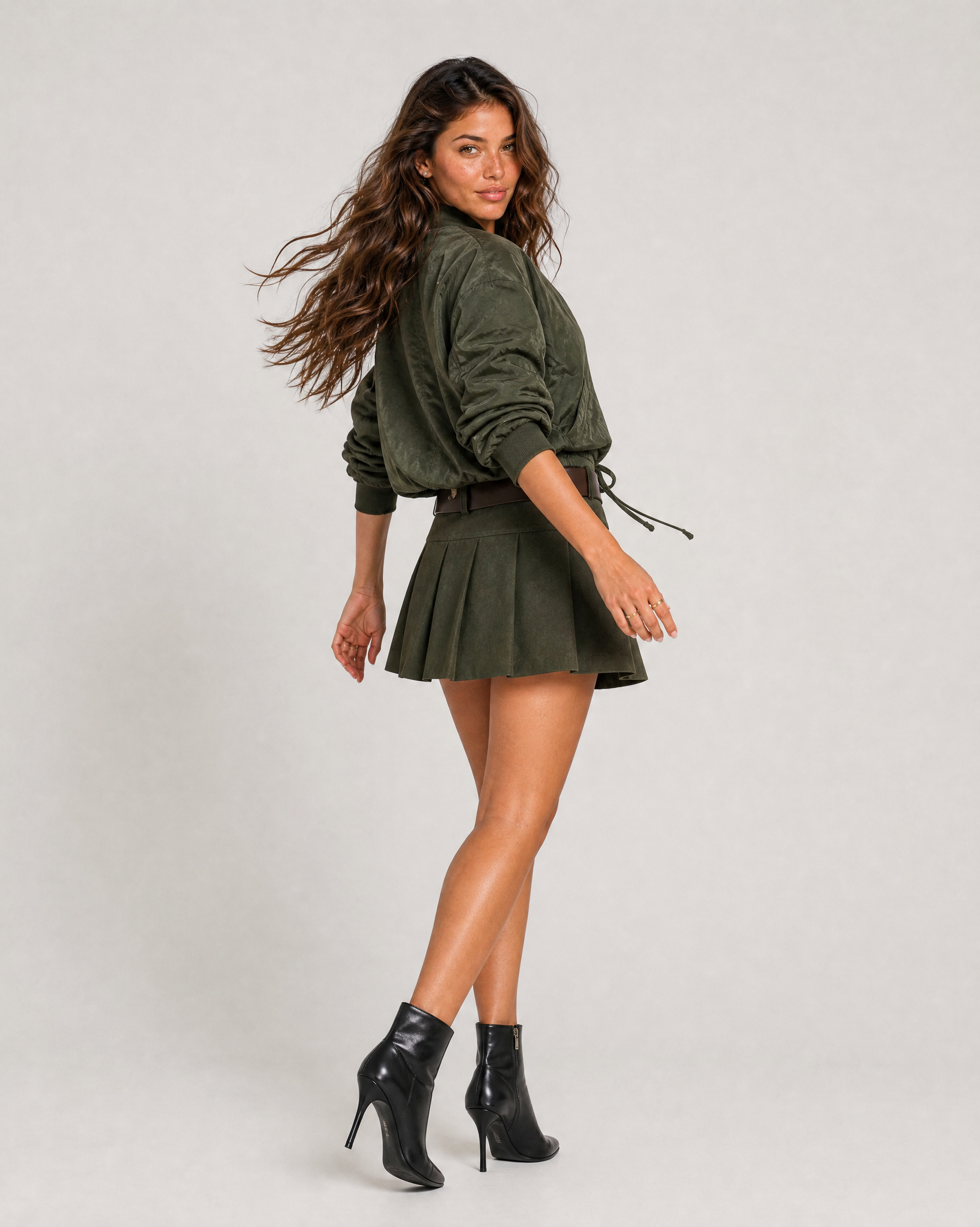
The Hybrid Winner: AI On-Model Imagery
For years, brands felt they had to choose between the cost-efficiency of ghost mannequins and the conversion power of live models. This often meant compromising on either budget or visual impact. However, the rise of AI fashion photography platforms has introduced a powerful third option, effectively blurring the lines and offering a superior solution.
AI on-model imagery allows brands to combine the best attributes of both traditional methods. With platforms like Flashlook, you can upload your existing ghost mannequin shots or even simple flat lays, and instantly map these physical garments onto photorealistic AI models. This innovative approach offers unprecedented advantages:
How AI Bridges the Gap:
- Cost-Efficiency: Dramatically reduce per-SKU photography costs. By eliminating the need for physical models, studio rentals, and extensive traditional post-production, brands can achieve savings of up to 80% compared to conventional shoots. This allows budgets to be reallocated to other vital areas like marketing or inventory.
- Unparalleled Speed: Generate professional, high-quality assets in minutes, not weeks. This rapid turnaround means you can go from sample arrival to product live on your e-commerce platform the very same day, significantly accelerating time-to-market.
- Maximum Conversion Power: Deliver the crucial human element and fit context that shoppers demand, completely removing the cold, plastic look of the ghost mannequin. AI models can be generated in diverse poses, body types, and styles, providing a rich visual narrative that drives engagement and sales.
- Seamless Consistency: AI ensures consistent lighting, styling, and model presentation across your entire catalog, maintaining a polished and professional brand image without the logistical complexities of traditional shoots.
- Reduced Return Rates: By accurately depicting how garments drape and fit on various body types, AI on-model imagery helps shoppers make more informed purchasing decisions, leading to fewer surprises and a noticeable reduction in returns.
- Creative Freedom: Experiment with different poses, backgrounds, and styling options without the constraints of a physical photoshoot. Flashlook's Atelier empowers brands to explore endless creative possibilities and build visually compelling digital lookbooks.

When to Use Each (or Both) in Your Strategy
While AI on-model imagery presents a compelling solution for most apparel PDP imagery needs, understanding when each format shines can further refine your visual strategy:
- Ghost Mannequin (for technical clarity): Still valuable for specific detail shots where the absolute focus is on construction, lining, or unique internal features. These can complement an AI on-model hero image.
- Traditional On-Model (for specific campaigns): For very high-budget, highly curated aspirational campaigns where real-world celebrity endorsement or unique physical locations are non-negotiable, traditional shoots might still play a role. However, for everyday e-commerce, AI offers a more scalable and cost-effective alternative.
- AI On-Model (for nearly everything else): For the vast majority of your product detail pages, social media content, and digital lookbooks, AI on-model imagery provides the optimal balance of visual appeal, conversion power, speed, and cost-efficiency. It's particularly effective for showing how items like activewear, casual tees, and trending fashion pieces fit on a living body.
Building a Comprehensive Image Strategy with AI
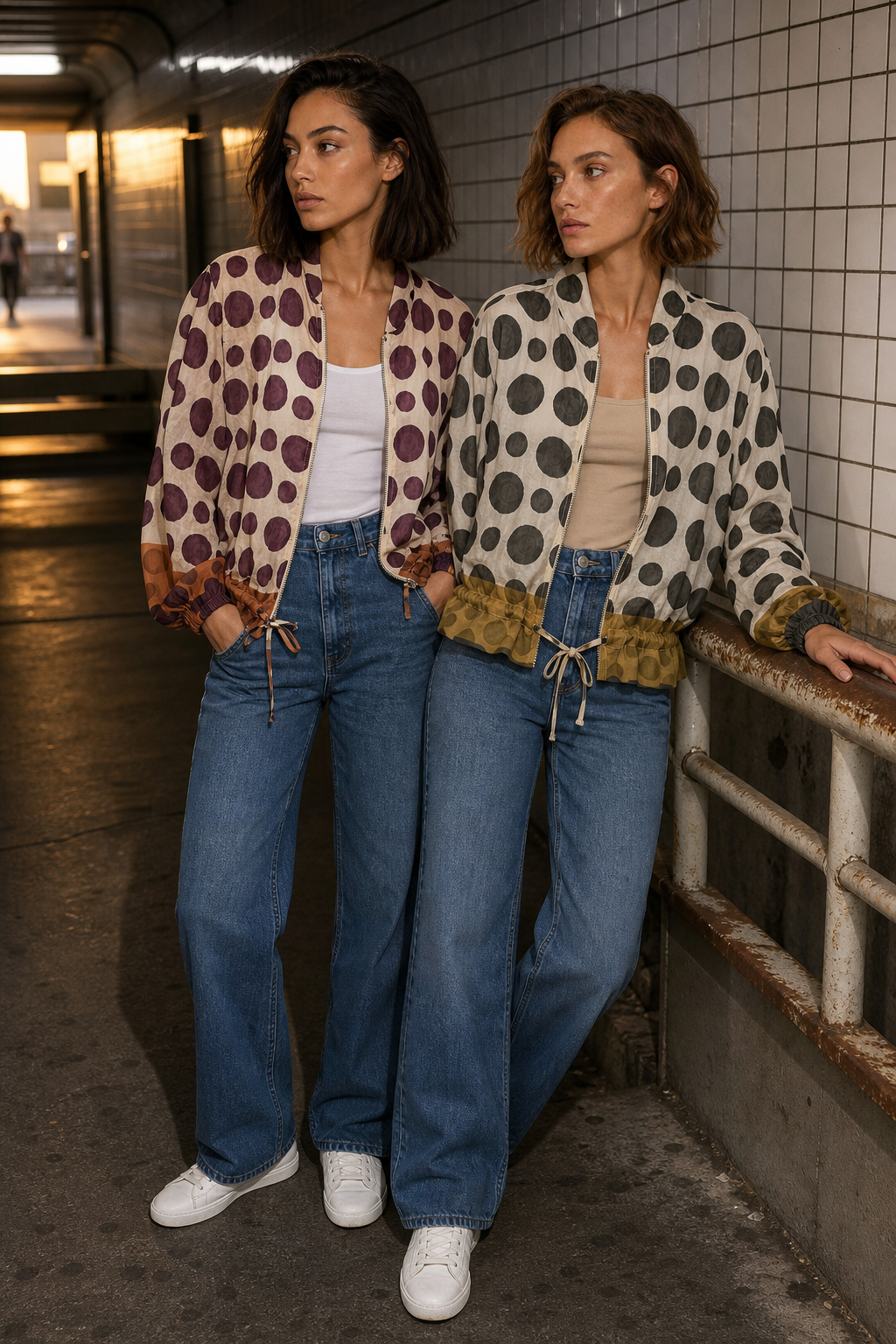
Flashlook helps brands move beyond the traditional ghost mannequin vs on-model dilemma. By leveraging AI, you can create a tiered approach to your product imagery:
- Hero Images: Use AI on-model shots as your primary hero images to capture attention, convey style, and provide crucial fit information. Explore diverse model options through Our models to represent your target audience effectively.
- Detail Shots: Complement hero images with AI-generated detail shots that highlight specific garment features, textures, or embellishments. For highly structured items, a ghost mannequin shot can still serve as a technical reference.
- Lifestyle & Campaign Imagery: Generate a wide range of lifestyle shots and campaign visuals with AI, showcasing your garments in aspirational settings without the logistical complexities of traditional location shoots.
By adopting AI-powered fashion photography, brands no longer have to compromise. They can achieve high-converting, emotionally resonant imagery with unprecedented speed and cost-efficiency, ensuring their visual identity scales with their business needs. To learn more about how Flashlook can transform your product photography workflow, visit our How It Works page.
FAQ
What is ghost mannequin photography?
Ghost mannequin photography is a technique where a garment is photographed on a mannequin, and the mannequin is then digitally removed, creating the illusion of an invisible body wearing the clothing. It highlights the garment's structure and form without distraction.
What are the benefits of on-model photography?
On-model photography showcases how a garment looks and drapes on a human body, providing context for fit, style, and movement. It creates an emotional connection, builds brand identity, and typically leads to higher conversion rates by helping customers visualize themselves in the clothing.
Which is better for e-commerce: ghost mannequin or on-model?
Traditionally, on-model images drive higher conversions due to their human element. However, ghost mannequin shots excel at showing garment construction. AI on-model imagery now offers a superior hybrid, combining the human appeal of models with the cost-efficiency and consistency of digital processes, making it ideal for most e-commerce needs.
How does AI on-model photography compare in cost and speed?
AI on-model photography significantly reduces costs by eliminating traditional model fees, studio rentals, and extensive traditional post-production. It also dramatically speeds up time-to-market, allowing brands to generate high-quality images in minutes rather than weeks, compared to conventional shoots.
Can AI on-model imagery help reduce returns?
Yes, by providing accurate visual representation of how garments fit and drape on various body types, AI on-model imagery helps set realistic customer expectations. This clarity reduces ambiguity about fit and proportion, leading to fewer discrepancies upon arrival and ultimately, lower return rates.
When should I still consider using ghost mannequin shots?
While AI on-model is versatile, ghost mannequin shots can still be valuable for very specific technical detail views. For instance, if you need to emphasize the intricate lining of a jacket or the precise tailoring of a collar, a ghost mannequin shot can complement your primary AI on-model images by providing unparalleled clarity on construction.
Consistent AI fashion models for catalog and UGC. Open Studio · Browse AI Fashion models