 FLASHLOOK.AI
From Still to Scroll: Why Fashion's Catalog Imagery is Fueling Short-Form Video Ads
Fashion brands are facing a new challenge: transforming static catalog images into dynamic, engaging short-form video ads for platforms like TikTok and Instagram Reels. This shift demands consistency in brand identity while embracing the fast-paced, trend-driven nature of social media.

The fashion industry has always been visually driven, but the landscape of product discovery has dramatically shifted. Where polished lookbooks and static flat-lays once reigned supreme, short-form video now dominates, especially among younger demographics. Platforms like TikTok, Instagram Reels, and YouTube Shorts have become critical channels for consumers to discover new styles and brands. This evolution presents a unique challenge for fashion businesses: how to transform their extensive libraries of still catalog imagery into dynamic, engaging short form fashion video ads that capture attention and drive sales, all while maintaining brand consistency.
The Unstoppable Rise of Short-Form Video in Fashion
For fashion brands, short-form video is no longer a 'nice-to-have' but an essential component of their marketing strategy. The numbers speak for themselves: TikTok boasts over 1.5 billion monthly active users, with fashion being a top purchase-driving category. Instagram Reels generates significantly more engagement than standard posts, and a staggering 73% of consumers prefer to watch a short video to learn about a product rather than read text. This preference highlights a fundamental shift in consumer behavior: shoppers want to see clothing in motion, understand how it drapes, fits, and moves, and visualize themselves wearing it.
This urgency is amplified by algorithmic changes. Platforms reward fresh, native content, meaning an ad that performed well last month might see diminishing returns this month. To stay visible and competitive, brands need a constant stream of new creative. The traditional production model, involving costly shoots with models, crews, and extensive post-production, simply cannot keep pace with the demand for 10-30 new ad creatives per week across multiple platforms and audience segments.
The Production Bottleneck: Why Traditional Methods Fall Short
Traditional video production for fashion is slow, expensive, and doesn't scale. A single product video shoot can cost thousands of dollars and yield only a handful of usable clips. When brands are expected to refresh their ad creatives weekly, or even daily, the financial and logistical burden becomes unsustainable. This often leads to two problematic scenarios:
- Underspending on content: Brands lose visibility as their content quickly becomes stale in algorithmically driven feeds.
- Overspending on shoots: Brands burn through their marketing budget, impacting profit margins, just to keep up with content demands.
Furthermore, reusing the same creative for too long leads to "creative fatigue." Audiences tune out, ad performance declines, and platforms may penalize repetitive content. The solution is more fresh creative, but the traditional production bottleneck makes this economically unfeasible for most fashion brands, particularly direct-to-consumer (DTC) operators.

AI: The Game-Changer for Fashion Video Production
This is where artificial intelligence steps in, completely changing the equation. AI video generation tools allow fashion brands to convert their existing product photos into dynamic motion content at an unprecedented pace and cost. Instead of weeks and thousands of dollars, dozens of scroll-stopping ad creatives can be generated in hours, without the need for booking studios, hiring models, or managing complex post-production pipelines.
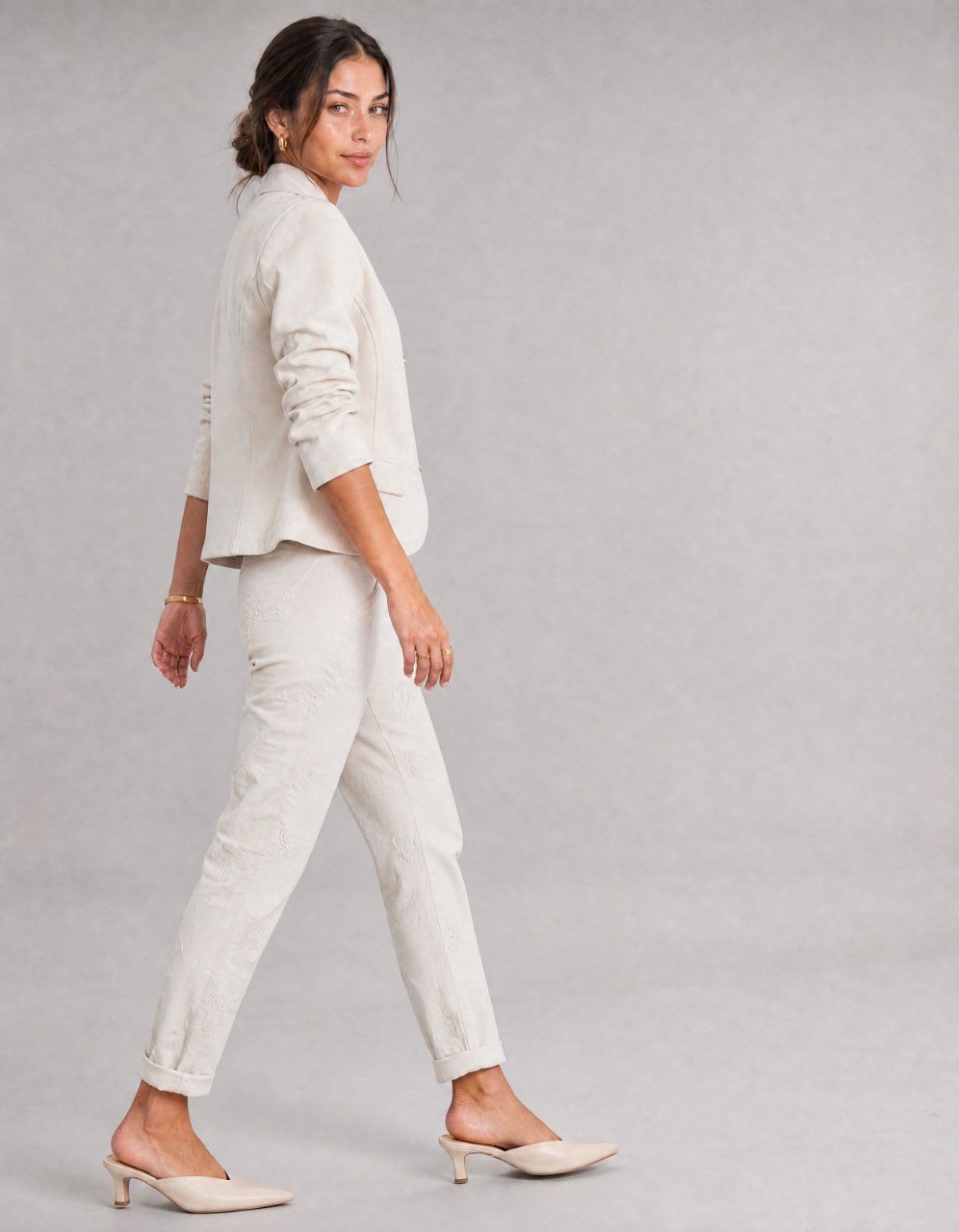
Flashlook, for instance, leverages AI to transform static images into engaging video content. Our platform can take your existing product photography - be it flat lays, on-model shots, or lookbook imagery - and apply realistic motion. Imagine a leather jacket subtly swaying in a breeze, a dress draping naturally as if on a walking model, or a handbag rotating to catch the light. This motion can be subtle and elegant or dynamic and energetic, all controlled by specific prompts.
The AI-Powered Workflow:
- Start with Existing Product Photos: Upload your current product images. High-quality source images with clean backgrounds and good lighting yield the best results, but even standard white-background shots can be transformed.
- Generate Motion Clips: AI models apply realistic motion to your still images. This isn't just a Ken Burns effect; it's genuine, lifelike movement that showcases fabric drape, fit, and silhouette.
- Add Context and Branding: Overlay compelling text hooks, brand typography, and a clear call-to-action (CTA) in the final frame. Keep text minimal, letting the visuals do most of the work.
- Export for Each Platform: Generate variants optimized for different platforms - 9:16 vertical for TikTok/Reels/Shorts, 1:1 square for Instagram/Facebook feeds, and 16:9 for YouTube. This multi-platform optimization takes minutes, not hours, as you're re-exporting and cropping rather than re-shooting.
This streamlined process means that the entire pipeline, from product image to published ad, can be completed in under an hour for a batch of creatives, making the target of 10-30 new creatives per week genuinely achievable.
Maintaining Consistency Across Diverse Platforms
While AI offers incredible efficiency, maintaining brand consistency across various short-form video platforms is crucial. Each platform has its own unique audience expectations and aesthetic preferences:
- TikTok: Rewards raw, energetic, and creator-led content. Ads that feel too polished often underperform. Focus on early tension, pain points, or unexpected claims. Our models can be styled to fit this authentic, native feel.
- Instagram Reels: Sits between discovery and familiarity. Users are often more comfortable with polished aesthetics, especially for fashion. It's ideal for combining upper-funnel attention with product education and retargeting.
- YouTube Shorts: Tends to reward clear value communication, educational hooks, and product explainers. Styled looks and "how-to-style" content perform well here.
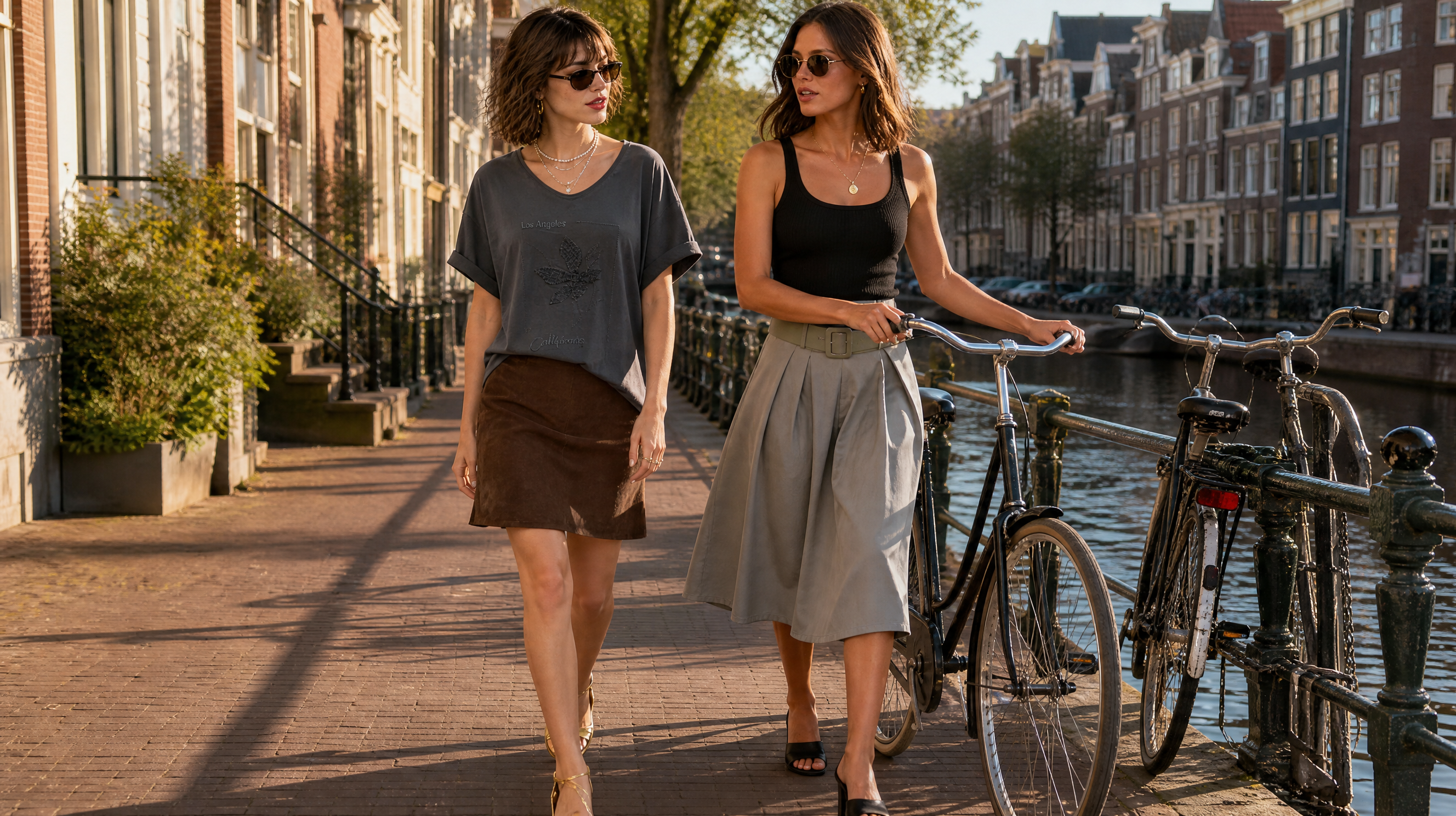
Flashlook's AI allows for this adaptability. You can generate content that aligns with the native aesthetic of each platform while ensuring your brand's core identity - its colors, typography, tone, and overall visual language - remains consistent. This means you can create a "Get Ready With Me" style video for TikTok, a more editorial look for Instagram Reels, and a detailed outfit breakdown for YouTube Shorts, all stemming from the same initial product imagery.
The Power of Creative Testing at Scale
One of the most significant advantages of AI-generated video is the ability to conduct extensive creative testing. Performance marketers know that the algorithm optimizes for what actually converts, and the only way to discover that is through rigorous testing. Traditional methods force a choice between a single, expensive "hero" video or no video at all. AI-enabled approaches allow brands to generate multiple creative variations for the same product at a fraction of the cost.
Imagine testing different motion styles (editorial walk vs. dynamic zoom), overlay texts ("New in" vs. "Free shipping"), backgrounds (lifestyle vs. studio), first frames (mid-motion vs. product detail), and calls-to-action ("Shop now" vs. "See the full look"). Each of these variables can be tested with AI-generated assets, providing invaluable data on what resonates most with your target audience. Brands that implement structured creative tests often see significant improvements in Return on Ad Spend (ROAS) within weeks.
Flashlook: Bridging the Gap Between Catalog and Social
Flashlook empowers fashion brands to navigate this new video-first landscape. By transforming your existing catalog imagery into high-quality, platform-optimized product video ecommerce assets, we help you meet the insatiable demand for fresh content without the traditional production headaches and costs. Our AI-powered platform ensures that your brand can maintain a consistent, high-quality visual presence across all channels, from your e-commerce site to the most dynamic social media feeds.
The future of fashion photography is dynamic, and AI is making it accessible and scalable for every brand. Embrace the shift from still to scroll, and let your catalog imagery become the foundation for captivating short-form video ads that drive discovery and conversions.
FAQ
Why is short-form video essential for fashion brands now?
Short-form video platforms like TikTok and Instagram Reels are dominant channels for product discovery, especially among younger demographics. Consumers prefer to see clothing in motion, and algorithms reward fresh, dynamic content, making consistent video output crucial for visibility and sales.
What challenges do fashion brands face with traditional video production?
Traditional video production is slow, expensive, and cannot scale to meet the demand for dozens of new ad creatives weekly. This leads to high costs, creative fatigue, and a struggle to maintain visibility in fast-paced social feeds.
How does AI help create fashion video ads from still images?
AI tools like Flashlook transform existing product photos (flat lays, on-model shots) into dynamic video clips by applying realistic motion, fabric drape, and model movement. This process is significantly faster and more cost-effective than traditional shoots.
Can AI-generated videos be customized for different social media platforms?
Yes, AI allows for easy customization. Brands can generate video variants optimized for specific platforms (e.g., 9:16 vertical for TikTok, 1:1 square for Instagram Feed) and tailor the motion style, text overlays, and overall aesthetic to match each platform's native content expectations.
What are the benefits of using AI for creative testing in fashion advertising?
AI enables brands to generate multiple creative variations for the same product at a fraction of the traditional cost. This allows for extensive A/B testing of different motion styles, calls-to-action, backgrounds, and messaging, leading to optimized ad performance and improved Return on Ad Spend (ROAS).
Consistent AI fashion models for catalog and UGC. Open Studio · Browse AI Fashion models