 FLASHLOOK.AI
Flat Lay vs. On-Model: The Evolving Role of Product Photography in Ecommerce
In the competitive world of fashion ecommerce, product photography is paramount. But as brands scale, the choice between a crisp flat lay vs on-model product photo becomes a strategic decision, impacting everything from customer perception to production costs. This article explores how modern fashion brands are navigating this challenge, leveraging AI to bridge the gap and maximize their visual assets.

In the dynamic realm of fashion ecommerce, compelling product photography isn't just a nice-to-have; it's a critical component of the sales funnel. For years, brands have relied on a mix of visual styles to showcase their collections, with the flat lay vs on-model product photo debate often at the forefront of their strategy. Each format serves a distinct purpose, yet the traditional production methods for both have historically created bottlenecks and significant cost implications.
Today, with advancements in AI-driven fashion photography, brands are finding innovative ways to produce both types of imagery efficiently, transforming their approach to PDP photography and overall catalog management. This shift allows for greater flexibility, consistency, and a more comprehensive visual story for every garment.
The Indispensable Value of On-Model Photography
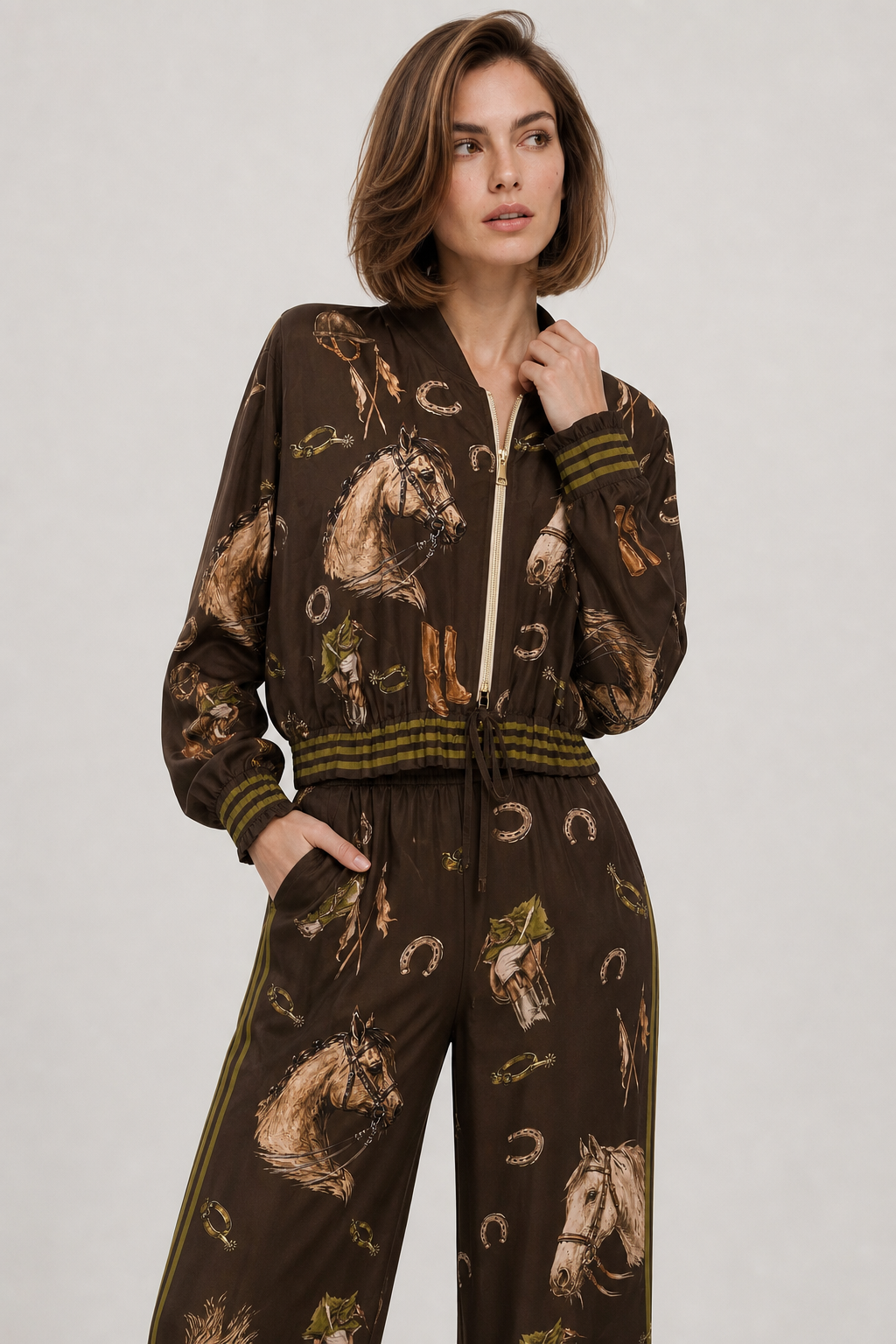
On-model photography is the gold standard for direct-to-consumer channels, and for good reason. It brings a garment to life, showcasing it in a way that helps customers visualize themselves wearing the item. This format excels at communicating several key aspects:
- Fit and Proportion: Seeing clothes on a human body provides crucial context for how an item drapes, its true size, and how it might look on the customer's own physique. This is especially vital for understanding garment fit photos.
- Styling Inspiration: On-model shots often feature complete outfits, offering customers ideas on how to style the piece and integrate it into their wardrobe.
- Brand Aesthetic: Models, poses, and settings all contribute to the overall brand identity, creating an aspirational connection with the customer.
- Emotional Connection: A model can convey mood and attitude, making the product more relatable and desirable.
However, on-model photography comes with its own set of challenges. It introduces more variables-the model's expressions, the background, the styling-all of which can affect consistency across a large collection. Traditionally, this format requires extensive planning, casting, studio time, and post-production, making it a significant investment for every SKU.
The Clarity and Versatility of Flat Lay Photography
In contrast, flat lay imagery offers a clean, straightforward presentation of a garment. Shot from directly overhead, with the item laid flat, this format strips away distractions and focuses solely on the product itself. Flat lays are invaluable for:
- Detail and Texture: Without a body to obscure folds or stretch fabric, flat lays clearly highlight fabric texture, intricate stitching, and construction details.
- Silhouette and Design: The garment's true shape and design elements are presented without the influence of a model's pose.
- Consistency: Flat lays inherently offer a higher degree of consistency across an entire catalog, as the setup is simpler and fewer variables are involved.
- Multi-Channel Use: Their clean nature makes them highly adaptable for various platforms, from product pages to social media graphics, where a uniform look is often preferred.
Historically, achieving both on-model and flat lay images for every product meant two separate photography sessions. This dual-track production doubled the time, effort, and cost for each piece in a collection, a burden that escalates significantly with growing catalogs.
Bridging the Gap with AI-Powered Photography
The dilemma between the rich context of on-model shots and the pristine clarity of flat lays has long been a production headache for fashion brands. However, AI is rapidly changing this landscape, offering solutions that allow brands to maximize their existing assets and generate diverse imagery from a single source.
Platforms like Flashlook are at the forefront of this transformation. Instead of requiring separate shoots, AI can now intelligently convert one format into another, or even generate new variations from a single input. This is particularly impactful for ecommerce fashion images, where efficiency and consistency are paramount.
From On-Model to Flat Lay, and Vice Versa
Imagine a scenario where a brand only needs to shoot a garment once-either on a model or as a flat lay-and then uses AI to generate the complementary format. This capability fundamentally streamlines the workflow:
- Reduced Production Time and Cost: Eliminating the need for a second shoot for a different format significantly cuts down on studio time, model fees, styling, and post-production efforts. For brands with extensive collections, this translates into substantial savings and faster time-to-market for new arrivals.
- Enhanced Consistency: AI applies a consistent rendering logic across all generated images, ensuring uniform presentation of flat lays, regardless of the original on-model shot. This cohesion strengthens brand identity across the entire product catalog.
- Maximized Asset Value: Existing on-model photography, which might have been produced for one specific purpose, can now be leveraged to create new flat lay assets, extending the value of previous investments.
This intelligent generation goes beyond simple background removal or cropping. It's about creating a new, photorealistic image that genuinely looks like it was purpose-shot, maintaining accurate fabric textures, folds, and details.
The Rise of Virtual Models for On-Model Shots
Another significant innovation is the ability to generate on-model imagery from flat lays or even technical sketches, using virtual models. This capability is revolutionary for brands looking to expand their on-model coverage without the logistical complexities and costs of traditional photoshoots.
With AI, brands can:
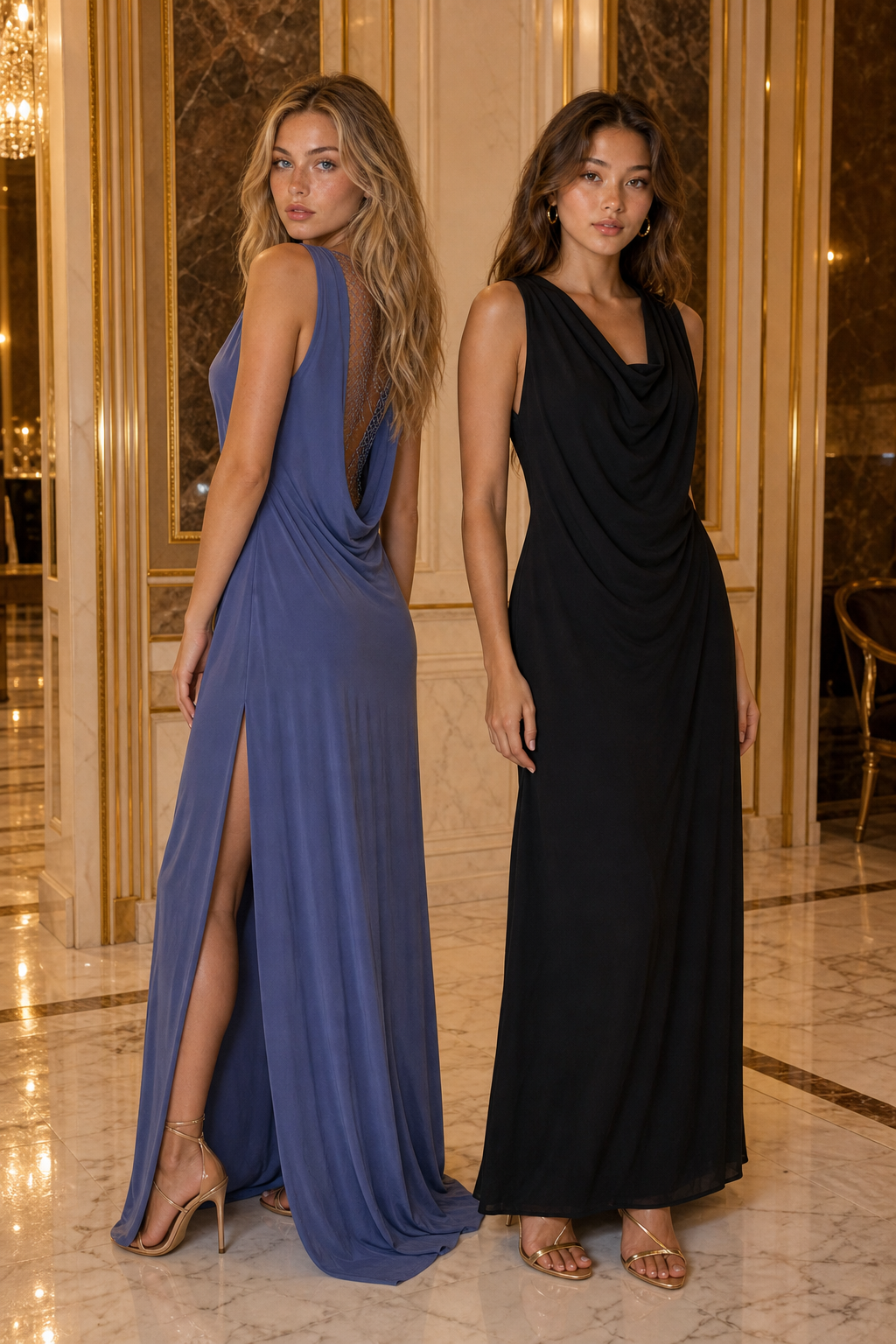
- Diversify Model Representation: Choose from a wide array of virtual models, representing diverse ethnicities, body types, and poses. This ensures inclusive imagery that resonates with a broader customer base.
- Consistent Fit Visualization: AI can render garments on virtual models with precise fit, helping customers visualize how different styles will look on various body shapes, crucial for effective garment fit photos.
- Scalable Content Creation: Generate hundreds or thousands of on-model images quickly, enabling even small brands to showcase their entire collection on models, not just hero SKUs.
- Creative Control: Maintain full control over the model's pose, background, lighting, and framing, allowing for tailored visuals that align perfectly with brand guidelines. Flashlook's Our models feature allows brands to select virtual models to match their brand aesthetic.
The Impact on PDP Photography and Catalog Management
The implications of these AI advancements for PDP photography are profound. Product Detail Pages are where purchase decisions are often made, and a comprehensive visual representation is key to reducing returns and boosting conversions.
With AI, brands can:
- Offer a Richer Visual Experience: Every product can feature a full suite of images-detailed flat lays, dynamic on-model shots, and even variations for different colorways or styling-all without needing multiple physical shoots.
- Streamline Workflows: What used to be a fragmented, multi-stage production process can now be a unified, continuous workflow. A single initial product image can be the source for all necessary formats, drastically simplifying catalog management, especially as SKU volume grows.
- Ensure Brand Consistency Across Marketplaces: As the source article on marketplace image requirements highlights, different platforms have varying specifications for image size, quality, and background. AI-powered tools can help generate optimized versions for each channel from a consistent master image, ensuring compliance and visual integrity everywhere.
- Accelerate Time-to-Market: New arrivals can be swiftly processed, with both flat lay and on-model imagery ready simultaneously, allowing brands to launch products faster and capitalize on seasonal trends.
The Future of Fashion Photography is Hybrid
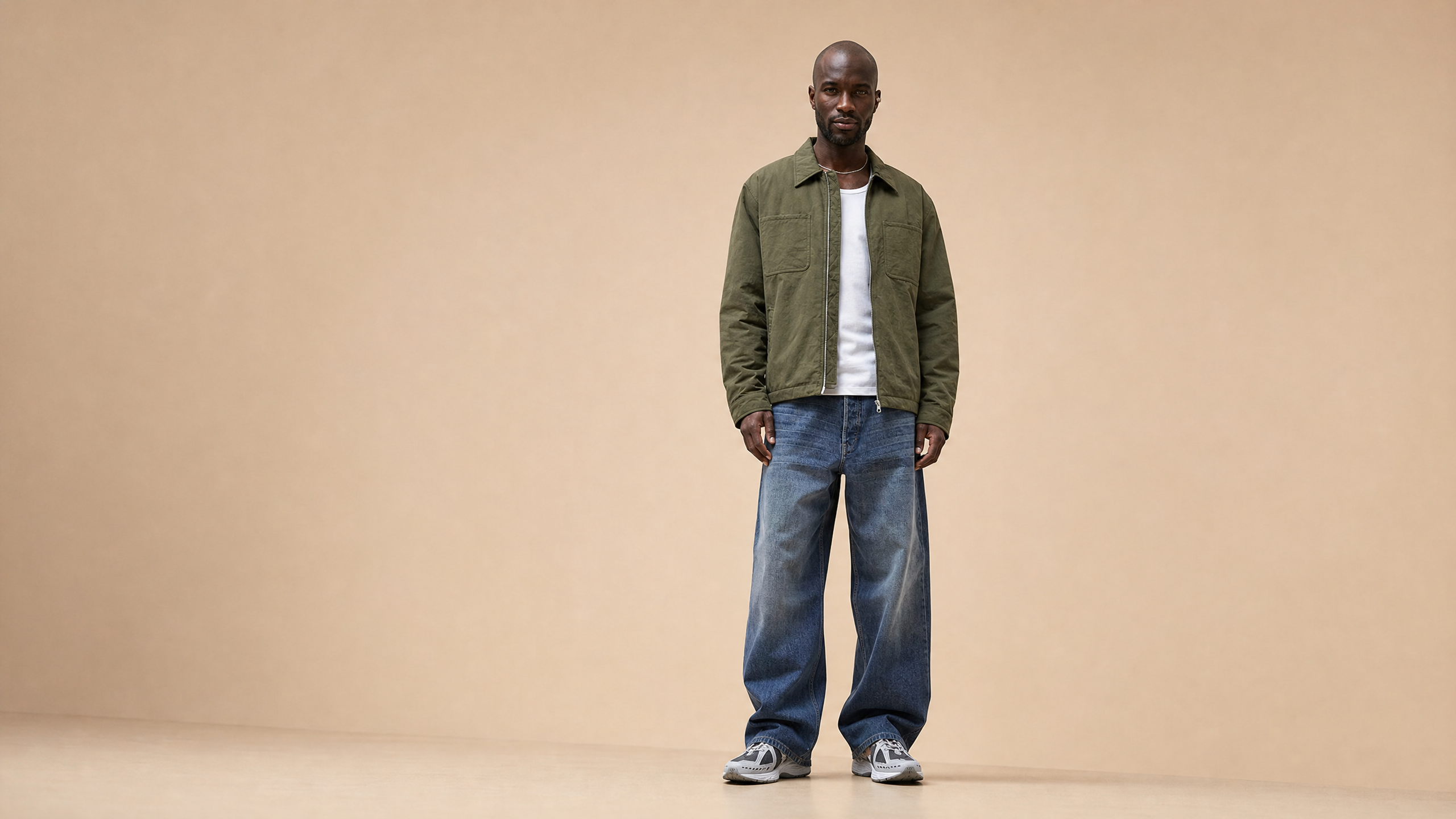
The choice between a flat lay vs on-model product photo is no longer an either/or proposition. The future of ecommerce fashion images is a hybrid approach, where brands strategically combine traditional photography with advanced AI generation. This allows them to capture the unique nuances that only a physical shoot can provide, while leveraging AI to scale, diversify, and optimize their visual content.
For brands looking to stay competitive, investing in AI-driven photography solutions is becoming essential. It's about getting more out of existing investments, reducing operational overheads, and ultimately, providing a superior shopping experience that drives engagement and sales. Flashlook's how it works page details how brands can integrate AI into their photography workflows.
The ability to transform a single product image into a versatile set of assets-from a pristine flat lay to a dynamic on-model shot-is a game-changer. It empowers fashion brands to tell a more complete and compelling visual story, ensuring that every garment is presented in its best light, for every customer, on every platform.
Frequently Asked Questions (FAQ)
Q: Why is on-model photography considered more effective for product pages?
A: On-model photography helps customers visualize how a garment looks when worn, demonstrating fit, drape, and styling. This context is crucial for understanding how the item might appear on their own body, leading to higher engagement and reduced returns.
Q: What are the main benefits of using flat lay photography?
A: Flat lay photography offers a clear, unobstructed view of a garment, highlighting fabric texture, construction details, and overall silhouette. It's excellent for showcasing product specifics and maintaining visual consistency across an entire catalog, often preferred for its clean aesthetic on various platforms.
Q: Can AI really create realistic on-model images from flat lays?
A: Yes, advanced AI platforms can generate highly realistic on-model images from flat lays or even ghost mannequin shots. This involves sophisticated algorithms that understand garment structure, fabric properties, and how clothing drapes on a human body, placing the item on diverse virtual models with customizable poses and backgrounds.
Q: How does AI help with the cost and time of product photography?
A: AI significantly reduces the need for multiple physical photoshoots for different image formats (e.g., flat lay and on-model). By generating one format from another, or creating diverse on-model shots with virtual models, AI cuts down on studio time, model fees, styling, and extensive post-production, accelerating time-to-market and lowering costs.
Q: Is AI-generated photography suitable for all ecommerce platforms?
A: Yes, AI-generated photography produces high-quality, output-ready images that meet the specifications of most ecommerce platforms and marketplaces. Brands can use AI to ensure visual consistency and compliance with various image requirements, such as background color, resolution, and file size.
Q: How does Flashlook handle model diversity and inclusivity?
A: Flashlook offers a diverse range of virtual models, allowing brands to choose representations that align with their audience and brand values. This ensures that on-model imagery is inclusive and reflects a broad spectrum of body types, ethnicities, and styles, enhancing customer connection and brand appeal.
Consistent AI fashion models for catalog and UGC. Open Studio · Browse AI Fashion models