 FLASHLOOK.AI
Unpacking the True Cost of Fashion Lookbook Photoshoots: Traditional vs. AI
Fashion lookbook photoshoots are a cornerstone of brand identity, but their costs often run far higher than anticipated. This article breaks down the expenses of traditional shoots across different tiers and compares them to the rapidly emerging, cost-effective world of AI fashion production, revealing how brands can optimize their visual content strategy.
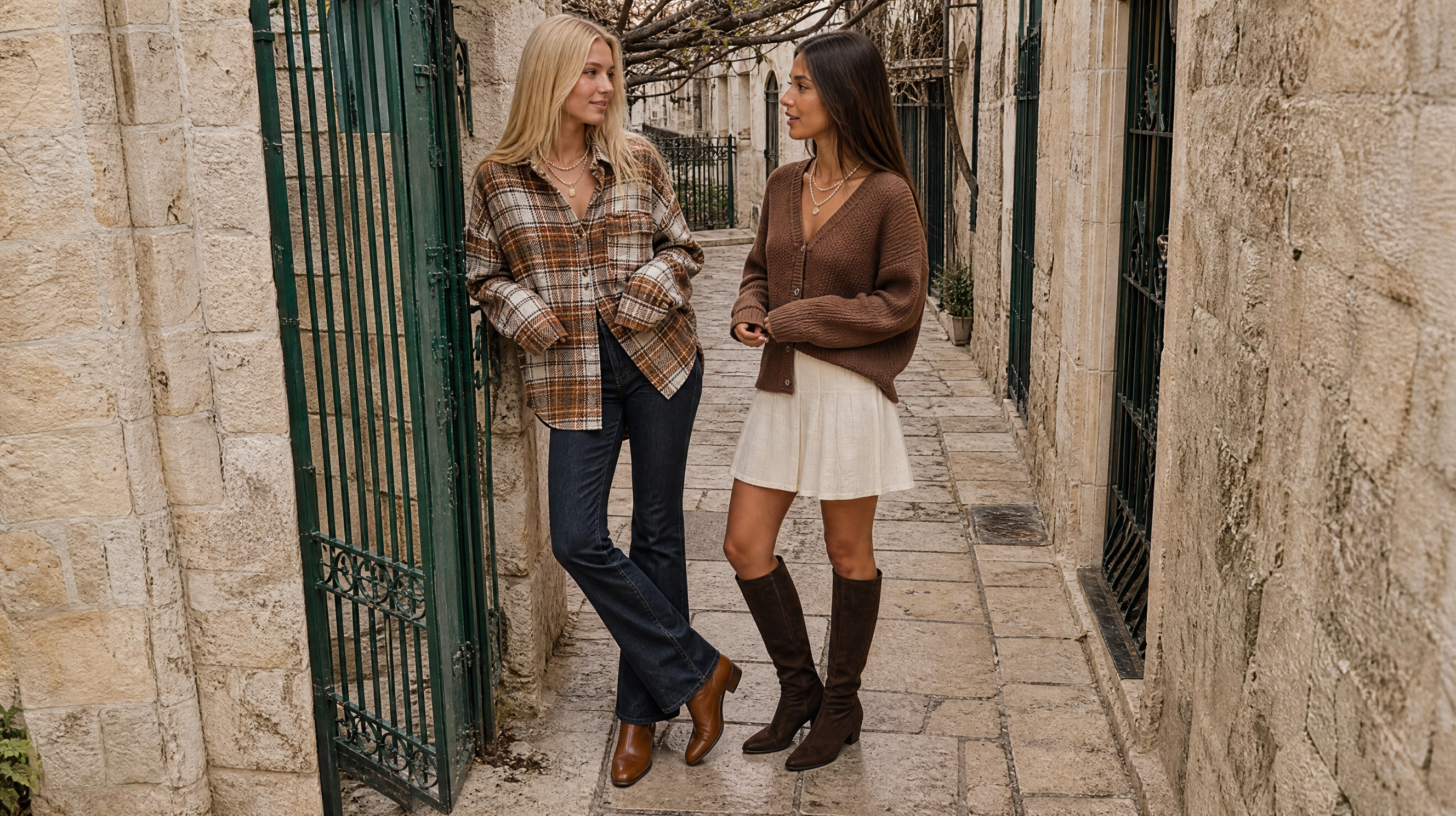
In the vibrant world of fashion, a compelling lookbook is more than just a collection of images; it's a narrative, a mood, and a direct line to your customer's aspirations. It showcases how garments translate into complete outfits, embodying a season or lifestyle. Yet, the traditional fashion lookbook photoshoot, while essential, is notorious for its often opaque and escalating costs. Many brands find themselves either overspending or, worse, skipping this crucial visual asset altogether.
However, 2026 marks a pivotal shift. With the advent of advanced AI fashion production platforms, brands now have a powerful alternative that promises to revolutionize the economics of visual content creation. This guide delves deep into the true financial outlay of traditional photoshoots, dissects the hidden costs, and then contrasts them with the streamlined, budget-friendly approach offered by AI-generated imagery.
The Anatomy of a Traditional Fashion Photoshoot Budget
A typical fashion photoshoot, regardless of its scale, comprises a consistent set of cost categories. While the proportion of spend on each category might vary between an indie brand's modest shoot and a luxury label's grand campaign, the fundamental components remain constant. Understanding these line items is the first step to truly grasping the overall fashion lookbook photoshoot cost.
Here's a breakdown of the key elements:
- Model Day Rate + Usage Rights: This covers the talent fee and the rights to use the images across various channels and geographical regions. Usage rights are often a hidden cost, requiring annual renewals that can be 50-80% of the original fee.
- Photographer: Their day rate often includes pre-production planning and post-shoot editing time.
- Studio or Location Rental: Daily rental fees for a professional studio or specific on-location permits and scouting expenses.
- Hair & Makeup Artist (HMUA): Day rates for artists, often increasing with complex looks or multiple models.
- Stylist + Wardrobe: Covers the stylist's day rate, garment preparation, and handling returns.
- Crew & Assistants: Essential support staff including photo assistants, digital technicians, and production assistants.
- Equipment Rental: Specialized lighting, lenses, and other gear beyond basic studio provisions.
- Retouching: Per-image post-production, which can significantly escalate depending on the number of final images and the required quality.
- Catering & Transport: Food for the crew on set, talent transportation, and equipment delivery.
- Agency Production Fee: If working through a production company, this covers their markup and coordination efforts.
- Contingency: A crucial buffer for unforeseen circumstances like bad weather, talent illness, or shipping delays, often overlooked.
These elements collectively form a substantial investment, especially when considering the need for consistent, high-quality on-model lookbook content for diverse ecommerce catalog photography budget allocations.
Tier-Based Costing: From Indie to Editorial
To illustrate the financial scope, let's examine typical costs across different tiers of traditional photoshoots:
Entry-Tier Shoot (e.g., 5 Looks)
Ideal for indie brands, Etsy sellers, and small Shopify stores, an entry-tier shoot typically involves one model, a half-day studio rental, and minimal crew. The total cost for 5 looks can range from $1,900 to $4,520, making the cost per delivered hero image roughly $380-$900. This is a significant outlay for brands frequently updating their small collections.
Mid-Tier Shoot (e.g., 15 Looks)
This scale is common for established e-commerce brands producing seasonal lookbooks. It often involves two models, two days of shooting, and a full crew. The total cost can be anywhere from $14,630 to $35,970. Here, the cost per hero image rises to approximately $975-$2,400. Brands conducting four such shoots annually could easily spend $60,000-$140,000 on production alone.
Premium-Tier Shoot (e.g., 30 Looks)
Reserved for major seasonal campaigns and editorial work, these shoots involve multiple models (including editorial-level talent), 3-5 days of production, extensive crews, and full rights packages. Costs can soar from $54,800 to $179,900. The per-image cost for a hero look can range from $1,800 to $6,000, justifiable only when the imagery defines the brand for an entire season and sees significant media spend.
The Hidden Costs That Inflate Budgets
The figures above represent the visible expenses. However, traditional shoots are plagued by hidden costs that can push budgets 15-25% (or even 30-50%) over original estimates. These include:
- Usage Rights Renewals: Most initial rights are for 12 months. Brands often forget to budget for annual renewals, which can be a substantial recurring expense.
- Retouching Overruns: Initial quotes rarely cover the full scope. Additional edits, color matching, and unforeseen corrections frequently lead to 30-50% overruns in this category.
- Reshoot Insurance: Essential protection against weather, talent illness, or garment shipping delays. Without it, a single mishap can mean losing the entire production cost.
- Agency Commissions: Talent agencies often add a 20% commission on top of model day rates, and production companies may add further markups.
- Internal Team Opportunity Cost: The 40-80 hours of internal team time spent on briefs, casting, reviews, and coordination over several weeks is not free. It's a significant, unbilled expense.
- Pre-production & Post-production Management: Hours spent on shot lists, casting, location scouting, wardrobe pulling, proof reviews, and file organization add up to considerable internal labor costs.
- Sample Shipping: International shipping and customs for samples can add hundreds of dollars and weeks of lead time.
These unseen elements highlight why many brands underestimate their total fashion lookbook photoshoot cost by a significant margin.
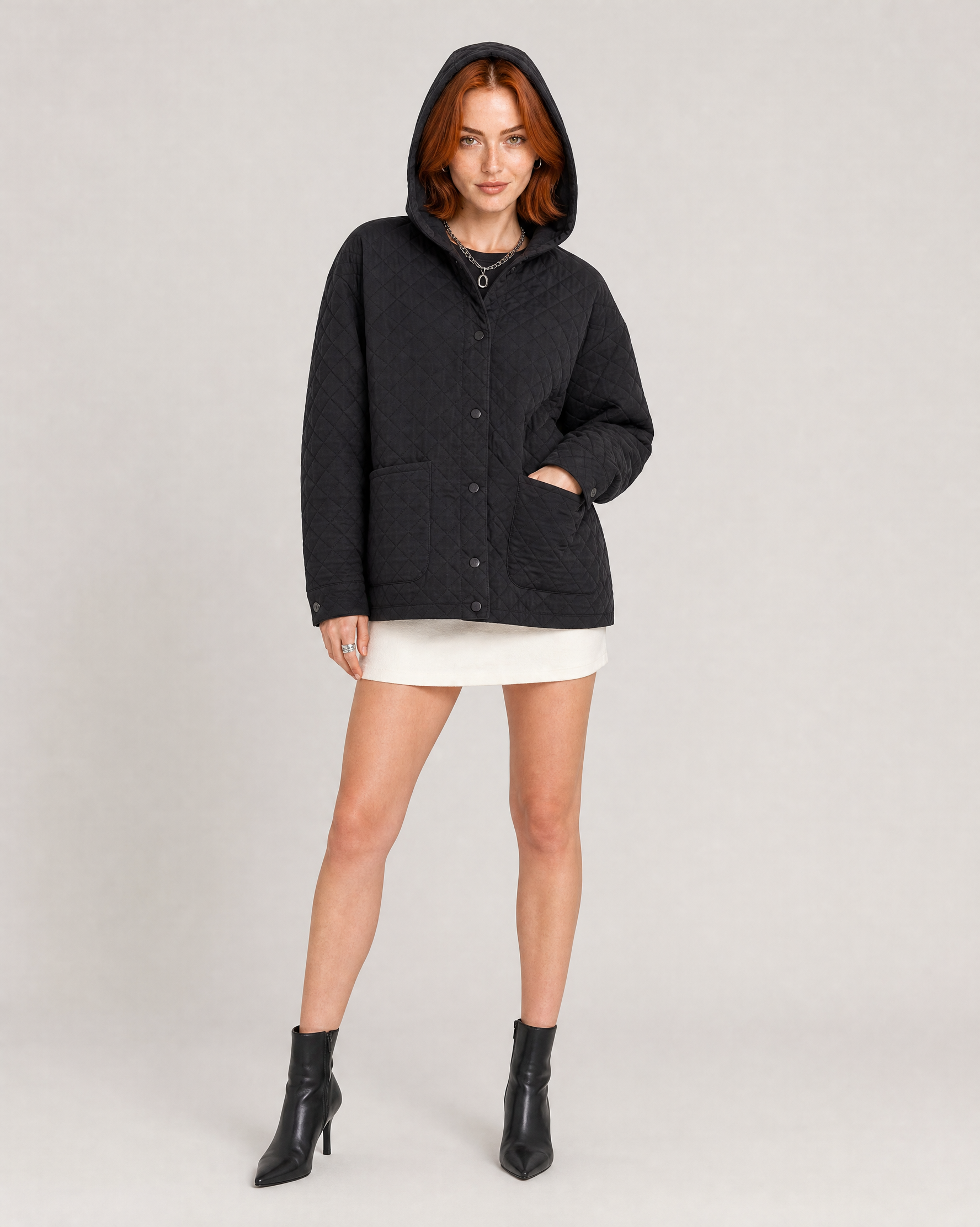
The AI Alternative: A Paradigm Shift in Fashion Photography
AI-generated imagery presents a fundamentally different economic model for fashion brands. Instead of high, fixed costs associated with traditional shoots, AI offers a low, scalable, per-image cost with rapid turnaround times. This is where AI fashion production truly shines, especially for routine ecommerce catalog photography budget needs.
How AI Reshapes the Cost Structure:
- Generation Cost: Cents to a few dollars per image, depending on model and resolution. This means experimenting with multiple poses, backgrounds, or styling variations is incredibly affordable.
- Tooling/Subscription: A modest monthly subscription fee for the AI platform, or API keys if building a custom pipeline.
- Human Time: While AI generates the images, human oversight is still crucial for selecting the best outputs and ensuring brand fidelity. However, this is measured in minutes per product, not days for an entire crew.
- One-Time Setup: Investing in building a consistent model library and brand-specific look presets upfront. This cost is then amortized across an entire catalog, yielding massive long-term savings.
The net result is a dramatically lower per-image cost, with no studio, travel, or complex logistics, and often same-day delivery. For a modest e-commerce set requiring multiple angles and colorways, AI can deliver images for a few dollars, compared to a share of a $1,500-$3,000 shoot day.
Per-Image Cost Comparison: Traditional vs. AI
The most illuminating way to compare these two approaches is by looking at the cost per final, retouched, e-commerce-ready image:
| Method | Cost Per Image | Turnaround | Quality Level |
|---|---|---|---|
| DIY (smartphone) | $5-$20 | Same day | Basic |
| Freelance Photographer | $60-$300 | 1-2 weeks | Good |
| Professional Studio Shoot | $150-$600 | 2-4 weeks | Excellent |
| High-End Editorial | $300-$1,500+ | 3-6 weeks | Premium |
| AI Photoshoot Tools | $0.50-$3.00 | Minutes | Good to Excellent |
This table clearly illustrates the massive cost advantage of AI, particularly for high-volume needs. Platforms like Flashlook can transform flat-lays or mannequin shots into stunning on-model lookbook imagery, offering diverse models, backgrounds, and poses without the logistical nightmare of a traditional shoot.

The Hybrid Approach: The Smart Play for Modern Brands
The choice isn't an either/or. The most effective strategy for modern fashion brands is a hybrid approach. Leverage AI fashion production for the vast majority of your visual content - think product detail pages, colorway variations, social media iterations, and seasonal catalog refreshes across large SKU counts. This captures the immense cost and time savings.
Reserve traditional photoshoots for flagship brand campaigns, hero lookbooks, and products where exact fit and fabric behavior are paramount, or when a specific artistic vision demands the unique touch of a human photographer and a real-world environment. These are the moments that genuinely reward the higher investment.
By adopting this strategy, brands can significantly reduce their annual photography spend, achieve faster time-to-market for new products, and maintain consistent, high-quality imagery across all channels. Imagine moving most of your catalog and core lookbook imagery to AI, and only shooting a couple of editorial campaigns a year - your imaging budget could drop by 80% or more, as some brands have experienced.
Flashlook provides a seamless solution for this hybrid model. Our platform allows brands to generate consistent, high-quality on-model imagery at scale, offering a wide array of virtual models and diverse settings, greatly reducing the traditional fashion lookbook photoshoot cost. To learn more about how it works, explore our how it works page.

Conclusion
The landscape of fashion photography is rapidly evolving. While traditional photoshoots will always hold a place for defining brand moments, the recurring, often hidden, costs make them unsustainable for the sheer volume of imagery required by today's e-commerce brands. AI fashion production offers a compelling, cost-effective, and efficient alternative, particularly for generating consistent, high-quality on-model lookbook and ecommerce catalog photography budget content.
By understanding the true fashion lookbook photoshoot cost and embracing a smart hybrid strategy, brands can optimize their visual content strategy, reduce expenses, accelerate product launches, and maintain a competitive edge in the fast-paced fashion industry.
Frequently Asked Questions
Q: How much does a traditional fashion lookbook photoshoot typically cost in 2026?
A: A traditional fashion lookbook photoshoot can range from approximately $1,900 for a small, entry-tier project (5 looks) to over $179,000 for a premium, multi-day editorial campaign (30+ looks). These figures often don't include hidden costs like usage rights renewals, retouching overruns, and internal team time, which can add 15-50% to the total.
Q: What are the main hidden costs in a traditional photoshoot budget?
A: Key hidden costs include annual usage rights renewals (50-80% of original cost), retouching overruns (often 30-50% extra), agency commissions, and significant internal team time spent on planning, coordination, and review. Reshoot insurance and sample shipping are also often overlooked expenses.
Q: How does AI-generated imagery compare in cost to traditional photography?
A: AI-generated imagery costs cents to a few dollars per image, plus a modest monthly platform subscription. This is a fraction of the cost of traditional photography, which can range from $60-$1,500+ per final retouched image, making AI significantly more cost-effective for high-volume content.
Q: Can AI replace all traditional fashion photoshoots?
A: Not entirely. While AI is ideal for high-volume ecommerce catalog photography budget needs, colorway variations, and social content, traditional photography still excels for flagship brand campaigns, complex editorial narratives, and products where extremely precise fit and fabric detail are critical. A hybrid approach is often the most effective strategy.
Q: What is the turnaround time for AI-generated fashion images compared to traditional shoots?
A: AI-generated images can be produced and delivered within minutes or hours, offering same-day turnaround. Traditional photoshoots, including planning, shooting, and post-production, typically have a lead time of 2-6 weeks, or even longer for complex projects.
Q: How can brands reduce their fashion lookbook photoshoot cost?
A: Brands can significantly reduce costs by adopting a hybrid strategy: utilizing AI fashion production for the majority of their on-model product shots and reserving traditional shoots only for high-impact, brand-defining campaigns. This minimizes logistical overheads and maximizes efficiency, optimizing their ecommerce catalog photography budget.
Consistent AI fashion models for catalog and UGC. Open Studio · Browse AI Fashion models