 FLASHLOOK.AI
The Cadence Conundrum: Why Fashion Drops Demand a New Approach to Product Photography
Traditional fashion photography struggles to keep pace with the rapid-fire demands of modern DTC brands and their weekly product drops. Discover how AI is revolutionizing fashion drop product photography, enabling brands to maintain a consistent catalog model and scale their visual content.
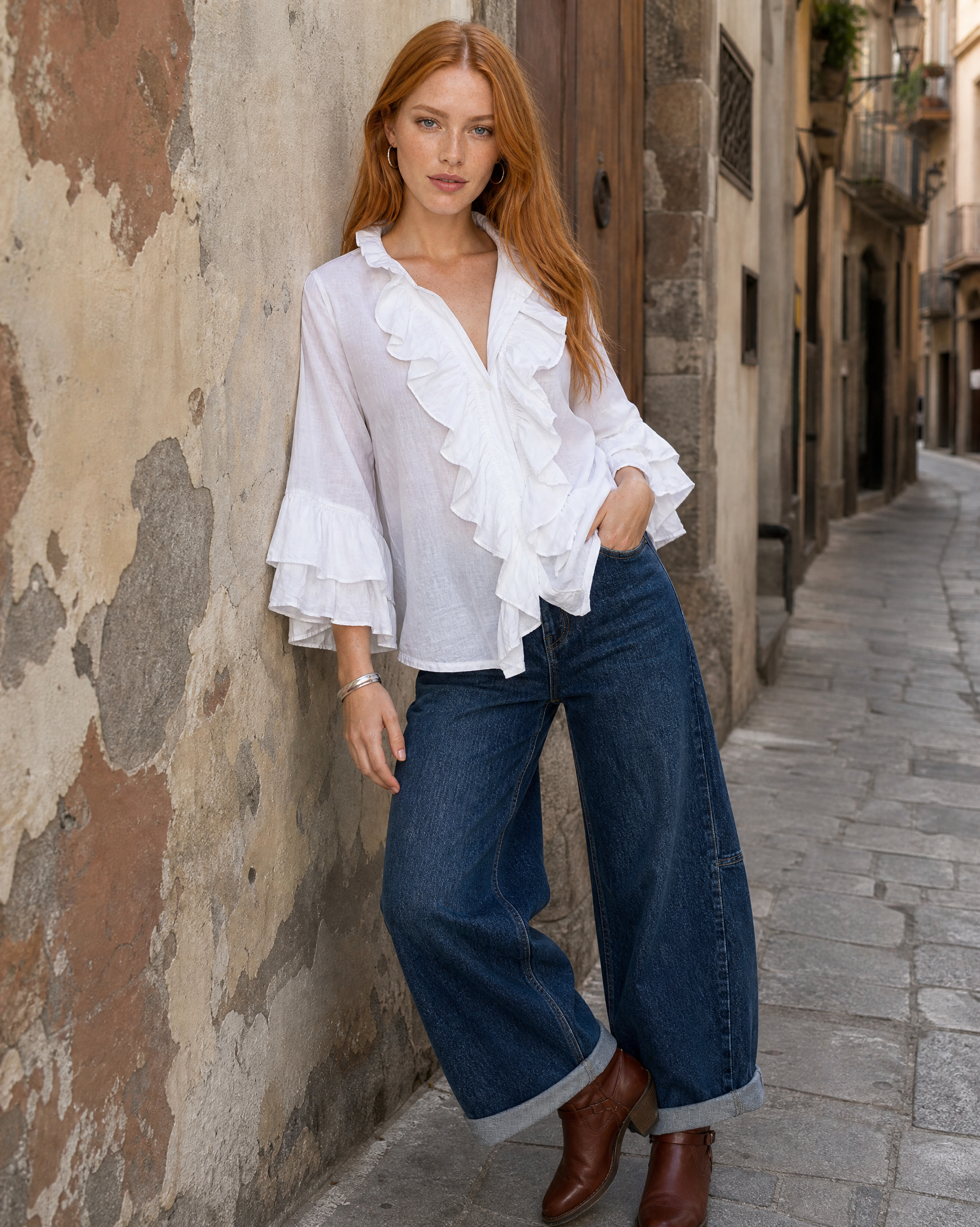
The fashion industry has undergone a seismic shift, moving from seasonal collections to a relentless cadence of product drops. For direct-to-consumer (DTC) brands, this means a constant need for fresh, high-quality imagery across multiple channels - from product detail pages (PDPs) to paid social campaigns. However, traditional fashion photography, with its lengthy lead times and high costs, is simply not built for this new reality. This creates a "cadence conundrum" where the demand for visual content far outstrips the capacity of conventional methods.
The Unyielding Pressure of Weekly Product Drops
Modern DTC brands operate on a calendar, not a season. Every few weeks, sometimes even weekly, new products are launched, each requiring a full suite of visual assets. This includes on-model PDP sets (front, back, three-quarter views), lifestyle shots for social media, and detailed macros showcasing fabric and trims. The sheer volume is staggering, and any delay in imagery can derail a drop, impacting sales and brand momentum.
Consider the typical demands:
- On-model PDP sets: Essential for every SKU, providing customers with a clear understanding of fit and drape.
- Street campaigns: Dynamic imagery for paid social, building brand identity between drops.
- Fabric and print macros: Close-ups that convey quality and detail, crucial for premium basics.
- Colorway runs: Presenting every available color from a single sample, maintaining consistency across the range.
Traditional photography workflows buckle under this pressure. Studio days involve stacking model fees, stylists, photographers, steaming, and lengthy retouching queues for every single drop. This translates to weeks of lead time and costs ranging from $2,000 to $10,000 per drop, often for just 8-15 SKUs. For brands launching 15-20 new SKUs monthly, this quickly becomes unsustainable, costing upwards of $5,000-$15,000 per month on photography alone, not to mention the hidden costs of delayed launches and reshoots.
The Hidden Costs of Traditional Photography at Scale
Beyond the upfront expenses, several factors compound the challenge for growing DTC brands:
- Lead-time costs: A 2-4 week delay from shoot to live product page can mean tens of thousands of dollars in lost sales for a brand doing significant monthly revenue. Customers are ready to buy, but the product isn't visually available.
- Reshoot tax: Approximately 15-20% of products require reshoots due to styling errors, color inaccuracies, or late-arriving samples. Each reshoot is almost as expensive as the original, eating into budgets.
- Variant problem: A single style in multiple colors technically needs separate photography for each. Brands often cut corners, leading to inconsistent imagery across SKUs. Shopify data shows products with fewer than three images convert at significantly lower rates.
This SKU-velocity math reveals a critical breakpoint: around 15-20 new SKUs per month. Below this, traditional shoots might be manageable. Above it, a new system is imperative.
The Bottleneck of Physical Samples
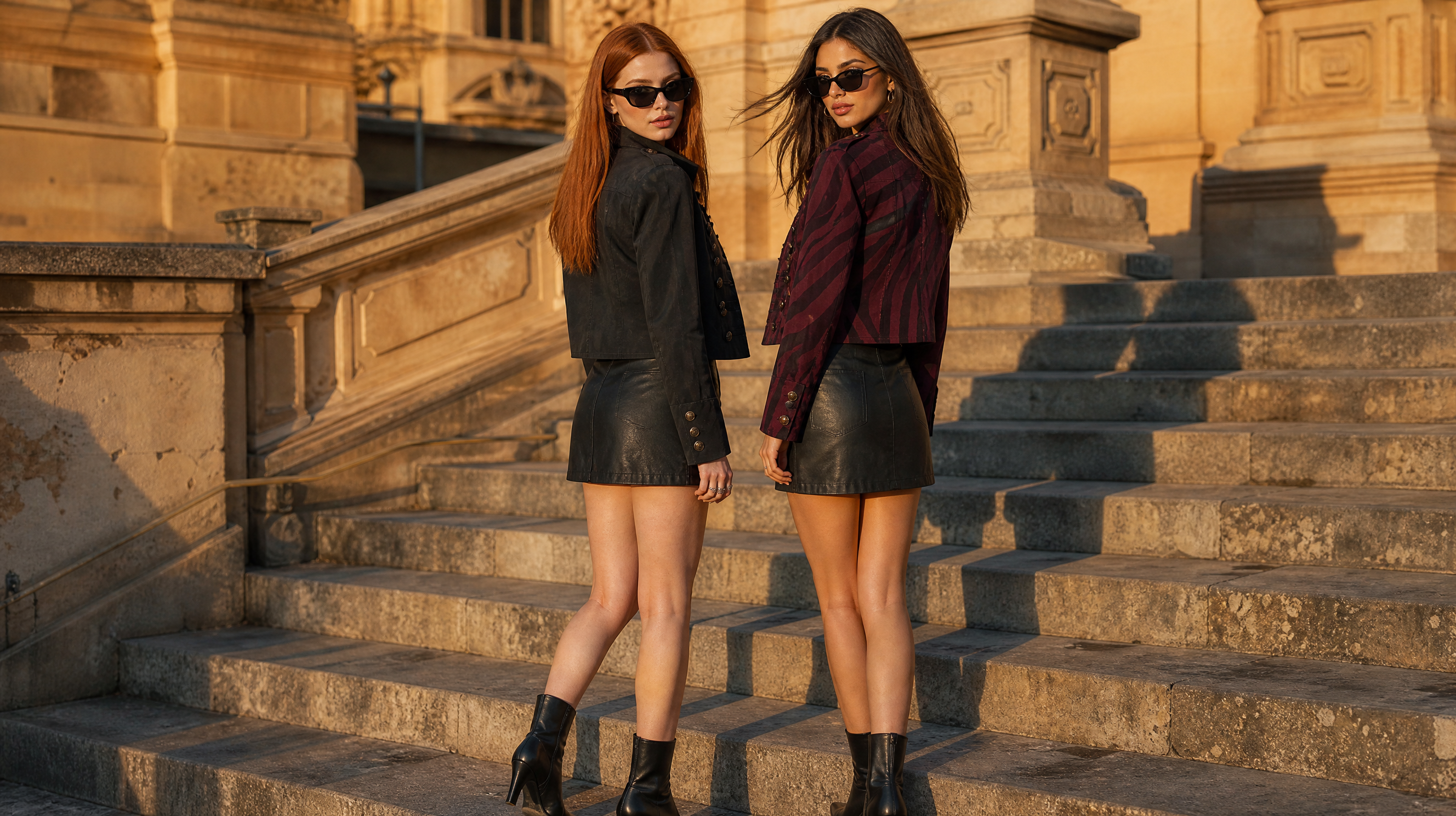
Another significant hurdle is the reliance on physical factory samples. The multi-week manufacturing sample loop - approving tech packs, wiring fees, and then waiting for samples to ship and clear customs - creates a massive bottleneck. This delay locks up capital in inventory that cannot be marketed, and in an industry notorious for overproduction, committing to large minimum order quantities (MOQs) before testing demand can lead to significant unsold stock.
Expediting samples with air freight or emergency local studios often results in imperfect samples that require extensive, costly post-production retouching, or worse, sub-par visuals that suppress conversions. Listing flat garments or basic digital mockups also fails, as consumers demand high-end, on-model editorial photography to evaluate fit and drape. The commercial contract of e-commerce is entirely visual; if the visual asset doesn't match the final product's exact specifications, trust is lost, and return rates climb.
AI: The Game Changer for Fashion Drop Product Photography
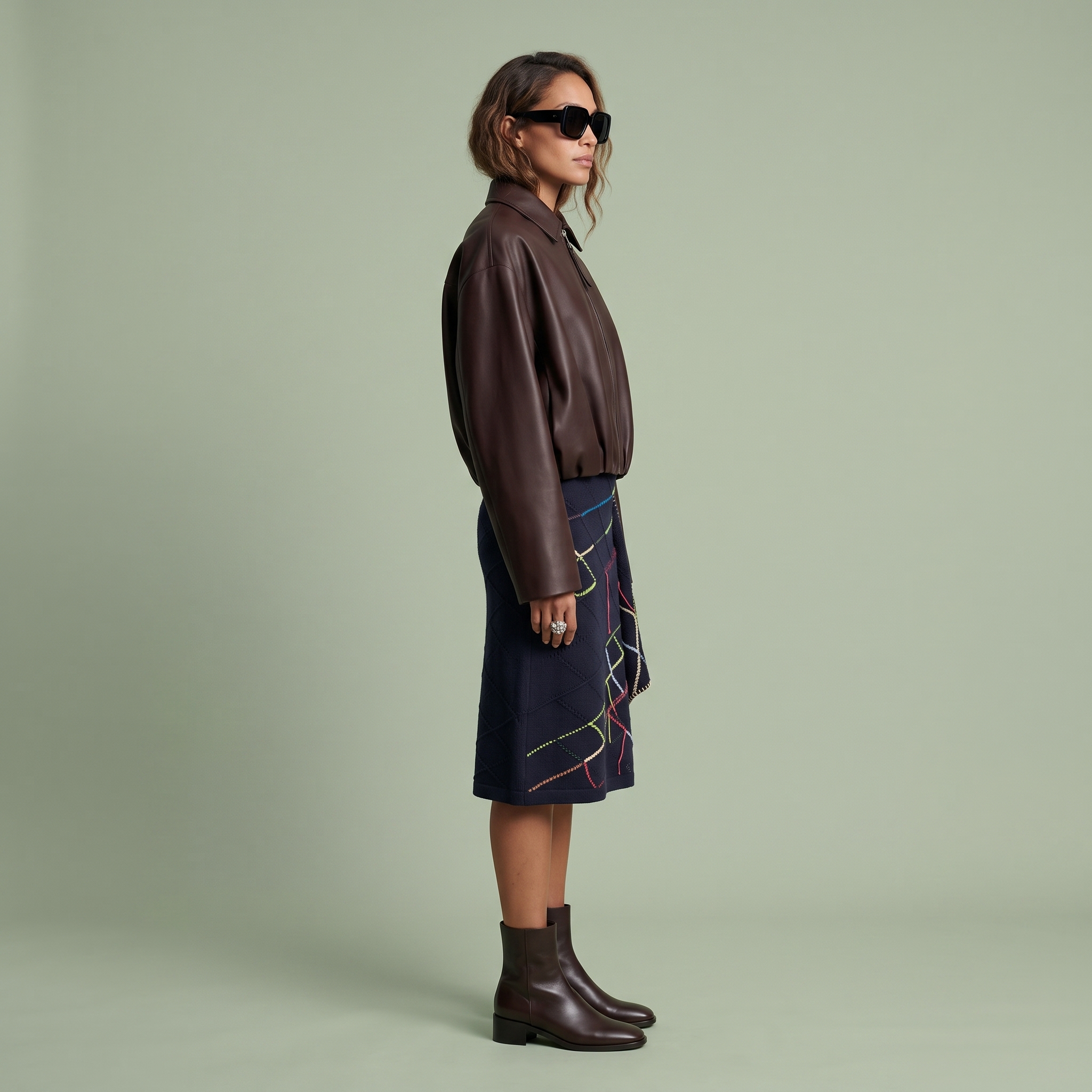
This is where AI-powered fashion photography platforms like Flashlook step in, offering a revolutionary solution to the cadence conundrum. By decoupling visual production from physical manufacturing, brands can generate high-fidelity, on-model campaigns from digital design files or early pre-production flat-lays, long before physical samples are even manufactured.
The Reference-Led Approach
The core of this new workflow is a reference-led approach. Brands upload 4-8 reference photos of the garment - on a body or form from various angles, a close-up of the fabric, and details like ribbed collars or embroidery. The AI model then uses these references to preserve the garment's fit, fabric weight, print placement, and silhouette across all generated images.
This allows for:
- Rapid generation: A full drop's imagery can be produced in an afternoon, rather than weeks.
- Consistent catalog model: The same aesthetic (palette, lighting, backdrop, model register) can be saved and reused for subsequent drops, ensuring brand consistency across months, not just frames. This is key for maintaining a consistent catalog model.
- Colorway flexibility: Every colorway can be rendered from a single physical sample, eliminating the need to sample every color before a shoot.
- Dual-purpose imagery: The same garment reference can generate clean seamless PDP shots and dynamic street campaign imagery, keeping the store and social feeds in sync without a second shoot.
Overcoming the "Plastic Look" Challenge
Many general AI image tools struggle with realistic human and garment rendering, often producing a "plastic" or "uncanny valley" look. Flashlook's approach is different. By focusing specifically on fashion and product photography, and often employing a hybrid pipeline that combines real model photography with AI-generated garments and backgrounds, it maintains human skin texture, real body proportions, and natural lighting. This ensures the output is not only high-volume but also high-quality and trustworthy.
Commercial Rights and Scalability
Crucially, platforms like Flashlook ensure full commercial rights for generated imagery. Brands own every image, with no per-image license fees or usage caps, allowing for use across all owned channels: site, product pages, paid campaigns, social media, and lookbooks. This is vital for DTC brands that rely heavily on creative output for paid social, email marketing, and hero banners.
For performance marketers, AI enables the statistical volume needed for effective creative testing. Generating 50-200 ad variants per campaign, which is impossible with traditional photography, becomes achievable, allowing brands to find winning creatives faster and optimize their ad spend. This supports the demands of platforms like Meta Advantage+ and TikTok, which reward weekly creative refreshes.
Reusing Assets for a Consistent Catalog Model
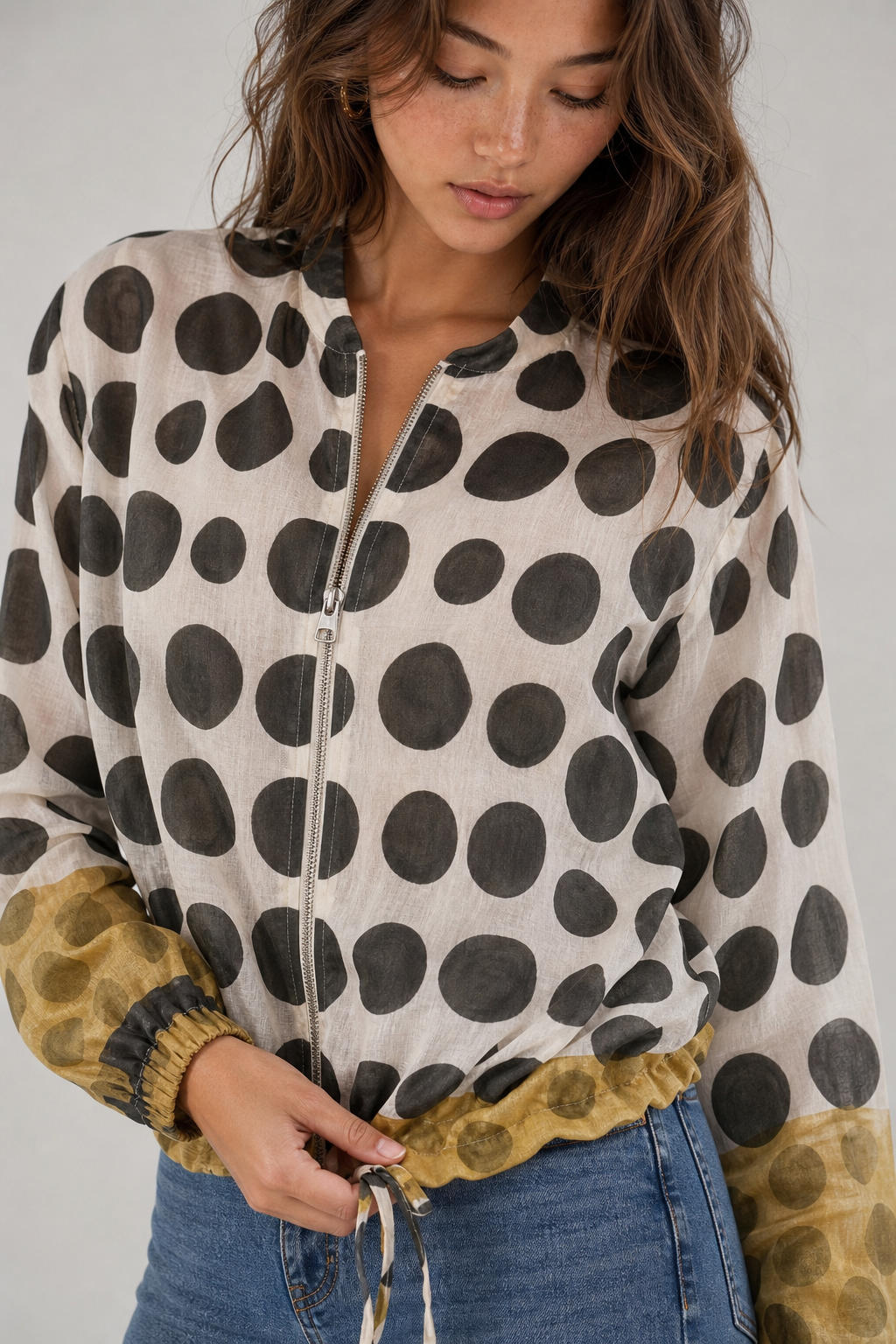
One of the most powerful aspects of AI in fashion photography is the ability to reuse and adapt assets. Once a garment's reference is established and an aesthetic is defined, it becomes a reusable template. This means:
- Aesthetic consistency: The same model register, backdrop tone, and lighting grammar can be applied to every new drop, ensuring a cohesive brand identity over time. Imagine applying a saved "Aesthetic" to all your new products, instantly aligning them with your brand's visual language.
- Efficient variant creation: From a single reference, countless variations can be generated - different poses, backgrounds, lighting conditions, and even model types. This allows for diverse content without needing new samples or reshoots.
- Streamlined lookbook production: Instead of chaotic, compressed production cycles, lookbooks can be generated rapidly, even before inventory arrives, by applying the brand's aesthetic to new digital garment files. Explore our Atelier for more on creating consistent brand aesthetics.
This systematic approach transforms photography from a project-based expense into an ongoing production system, with the same operational cadence as fulfillment or customer support. It allows brands to launch faster, with less budget pressure, and maintain a fresh, engaging visual presence that resonates with consumers.
The Future of Fashion Photography is Here
The shift to a drop cadence has fundamentally broken traditional fashion photography workflows. The demands for speed, volume, and consistency are simply too high. AI-powered platforms offer a viable, scalable, and cost-effective solution, enabling DTC brands to:
- Decouple visual production from manufacturing timelines: Market products earlier, test demand, and reduce inventory risk.
- Generate high-quality, on-model imagery at scale: Produce PDP sets, campaign shots, and detail macros rapidly.
- Maintain a consistent brand aesthetic: Apply reusable "Aesthetics" across all drops for a cohesive visual identity.
- Optimize for paid social: Create the high volume of diverse creative variants needed for effective ad campaigns.
By embracing AI, fashion brands can overcome the cadence conundrum, ensuring their visual content keeps pace with their product launches and customer expectations. This isn't just about cheaper photos; it's about enabling every SKU to get the full visual treatment it deserves, every month, without compromise. Discover how Flashlook can transform your fashion drop product photography.
FAQ
What is 'fashion drop product photography'?
Fashion drop product photography refers to the visual content creation process for direct-to-consumer (DTC) brands that release new products or collections in frequent, smaller 'drops' rather than traditional seasonal launches. It demands high-volume, high-quality imagery on a rapid turnaround.
Why is traditional photography challenging for weekly product drops?
Traditional photography struggles with weekly product drops due to long lead times for booking studios, models, and post-production, high costs per shoot, and the logistical bottleneck of waiting for physical samples. This makes it difficult to produce the required volume of diverse, consistent imagery on schedule and within budget.
How does AI help maintain a consistent catalog model across drops?
AI platforms allow brands to define and save a specific 'Aesthetic' - including lighting, backdrop, model register, and overall mood. This saved aesthetic can then be applied to new garment references for subsequent drops, ensuring visual consistency across all products and over time, creating a cohesive brand identity.
Can AI generate all colorways from a single garment sample?
Yes, AI-powered tools can render multiple colorways from just one physical garment sample. By providing the AI with a reference of the garment, brands can then specify color changes, and the AI will apply them while preserving the garment's fit, fabric behavior, and print placement, eliminating the need to sample every color.
What are the commercial rights for AI-generated fashion imagery?
With reputable AI fashion photography platforms like Flashlook, brands typically own full commercial rights to the images they generate. This means the imagery can be used across all owned channels, including websites, product pages, paid advertising, social media, and lookbooks, without additional licensing fees or usage caps.
How does AI address the physical sample bottleneck?
AI decouples visual production from the physical supply chain. Brands can generate high-fidelity, on-model photography from digital design files or early flat-lays, allowing them to market products, test demand, and even secure pre-orders before physical samples are manufactured. This significantly shortens time-to-market and reduces inventory risk.
Consistent AI fashion models for catalog and UGC. Open Studio · Browse AI Fashion models