 FLASHLOOK.AI
The True Colors of E-commerce: Why Consistent Product Variant Images Are Non-Negotiable
In the competitive world of online fashion, visual accuracy is paramount. Discover why consistent product variant images are crucial for reducing returns, building trust, and enhancing the customer experience.
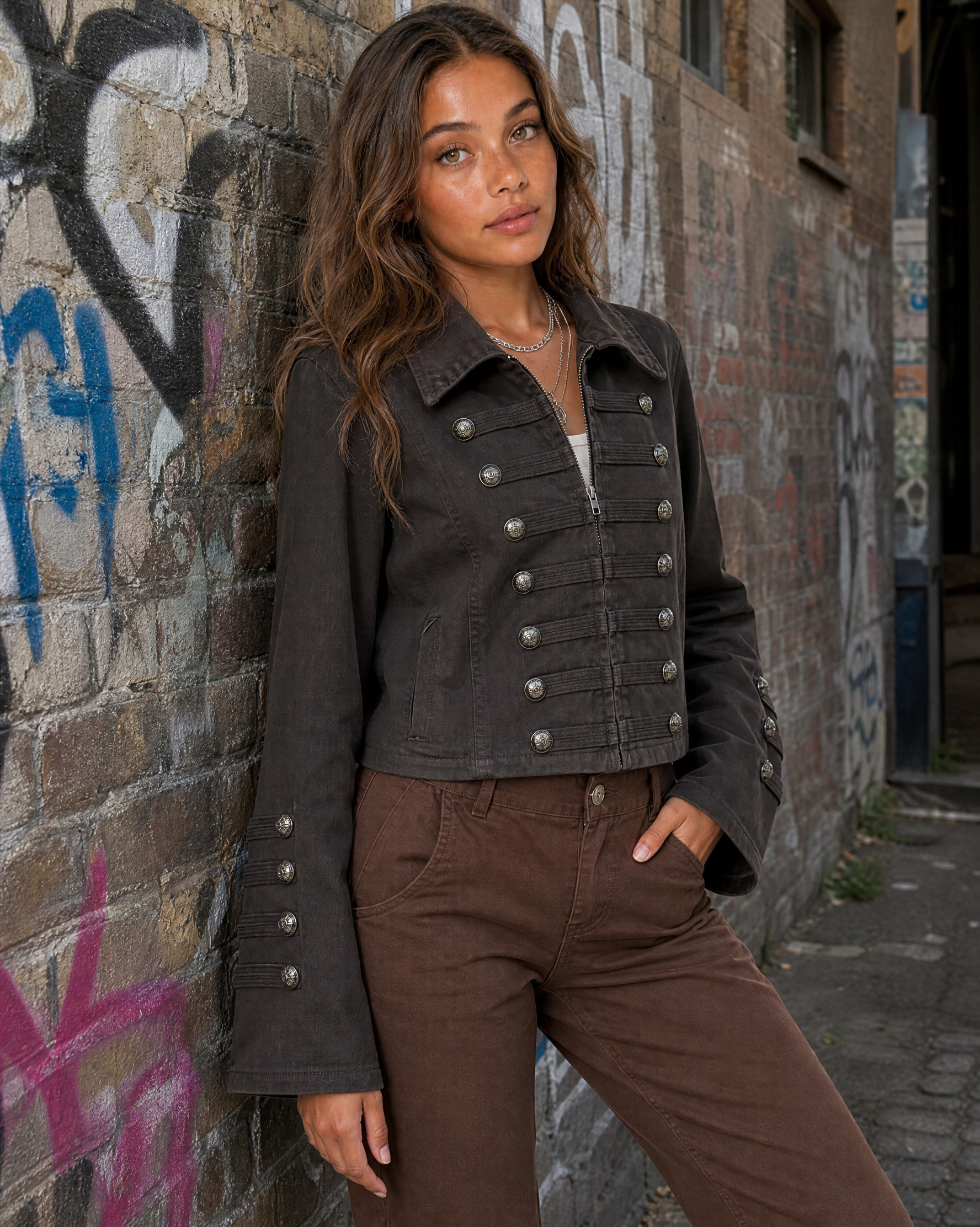
In the fast-paced realm of e-commerce, where shoppers can't physically touch or try on garments, product imagery serves as the primary touchpoint. For fashion brands, this means every visual detail must be meticulously accurate, especially when it comes to showcasing different colorways and variants. The seemingly small detail of a product's color can have a monumental impact on customer satisfaction, return rates, and ultimately, a brand's reputation.
The Silent Sales Killer: Inconsistent Variant Imagery
Imagine a shopper browsing an online store, captivated by a beautiful "Forest Green" dress. They click on the color swatch, expecting to see the product gallery update with clear, accurate photos of the green version. Instead, the images remain unchanged, leaving them to wonder if the photo they're seeing is the navy variant or the green one they just selected. This surprisingly common scenario, where variant images don't consistently match the selected colorway, quietly costs sales and triggers a significant number of "wrong color" returns.
Studies show that inaccurate colors in product images are a leading cause of returns, with nearly 11% of consumers reporting they've sent items back due to color discrepancies. This isn't just a minor inconvenience; it's a major operational challenge for retailers, leading to increased shipping costs, restocking efforts, and environmental waste. Beyond the tangible costs, inconsistent imagery erodes customer trust. If a product's color doesn't match its online representation, shoppers may question the accuracy of the entire digital store, impacting future purchases and brand loyalty.
Why Color Variation Happens: A Complex Journey from Fabric to Screen
The journey of a product's color from the physical garment to a customer's screen is fraught with potential pitfalls. Several stages can introduce discrepancies:
- Capture Stage: Uncalibrated studio lighting, incorrect white balance settings, and ambient room light can all introduce color casts during the initial photography. Different color temperatures and CRI ratings alter how fabric pigments absorb and reflect light, creating discrepancies.
- Editing Stage: Manual color correction, if not standardized and rigorously controlled, can lead to subjective adjustments and inconsistencies across different images or even different colorways of the same product.
- Publishing Stage: Various e-commerce platforms and marketplaces have distinct image specifications, color space requirements (like sRGB vs. Adobe RGB), and compression algorithms. These can inadvertently shift garment tones if not properly managed.
- Viewing Stage: Consumer devices (laptops, tablets, smartphones) render colors differently due to varying gamma curves and color gamuts. Furthermore, environmental factors like direct sunlight or dim indoor lighting can further distort color perception.
Understanding that color accuracy isn't solely a display issue is crucial. It begins with the initial capture setup and extends through every step of the digital pipeline.

Establishing a Single Source of Truth: Master Color References
To combat color inconsistencies at scale, fashion brands must establish a "single source of truth" for every garment SKU. This involves:
- Physical Color References: Using spectrophotometer-measured color charts alongside every initial fabric sample shoot. This master reference acts as the benchmark for all subsequent digital assets.
- Linking Digital Profiles to Tech Packs: Tying digital color profiles directly to the physical tech pack data. When color calibration is linked to standardized metadata, automated systems can reference the master hue across seasonal colorways without relying on subjective human judgment.
This foundational step ensures that from the moment a fabric sample is approved, its precise color data is captured and becomes the standard against which all digital representations are measured.
The Role of AI in Achieving Consistent Product Variant Images
Traditional manual retouching, while capable, becomes a significant bottleneck when dealing with thousands of SKUs and multiple colorways. It's prone to human error and subjective interpretation, making consistent color output a constant challenge. This is where AI-powered visual engines offer a transformative solution.
AI-driven platforms like Flashlook integrate hardware calibration targets and profile-locked rendering engines into their automated pipelines. By standardizing digital color profiles at the ingestion stage, these systems can generate consistent variants across ghost mannequin shots, on-model views, and fabric close-ups. This means:
- Scalability: Processing thousands of SKUs simultaneously without drifting from the original fabric hue.
- Precision: Enforcing strict Delta-E threshold enforcement (Delta-E measures the perceptual difference between two colors), ensuring physical garments match digital product images with high accuracy.
- Efficiency: Eliminating manual retouching bottlenecks and significantly speeding up asset production.
- Multi-Channel Compliance: Automatically transforming master catalog images into channel-compliant formats while locking down color parameters, preventing marketplace rejections and costly returns.
By leveraging AI, brands can ensure that every product variant, regardless of color, is represented accurately and consistently across all digital touchpoints. This not only reduces returns but also builds a stronger, more trustworthy brand image.
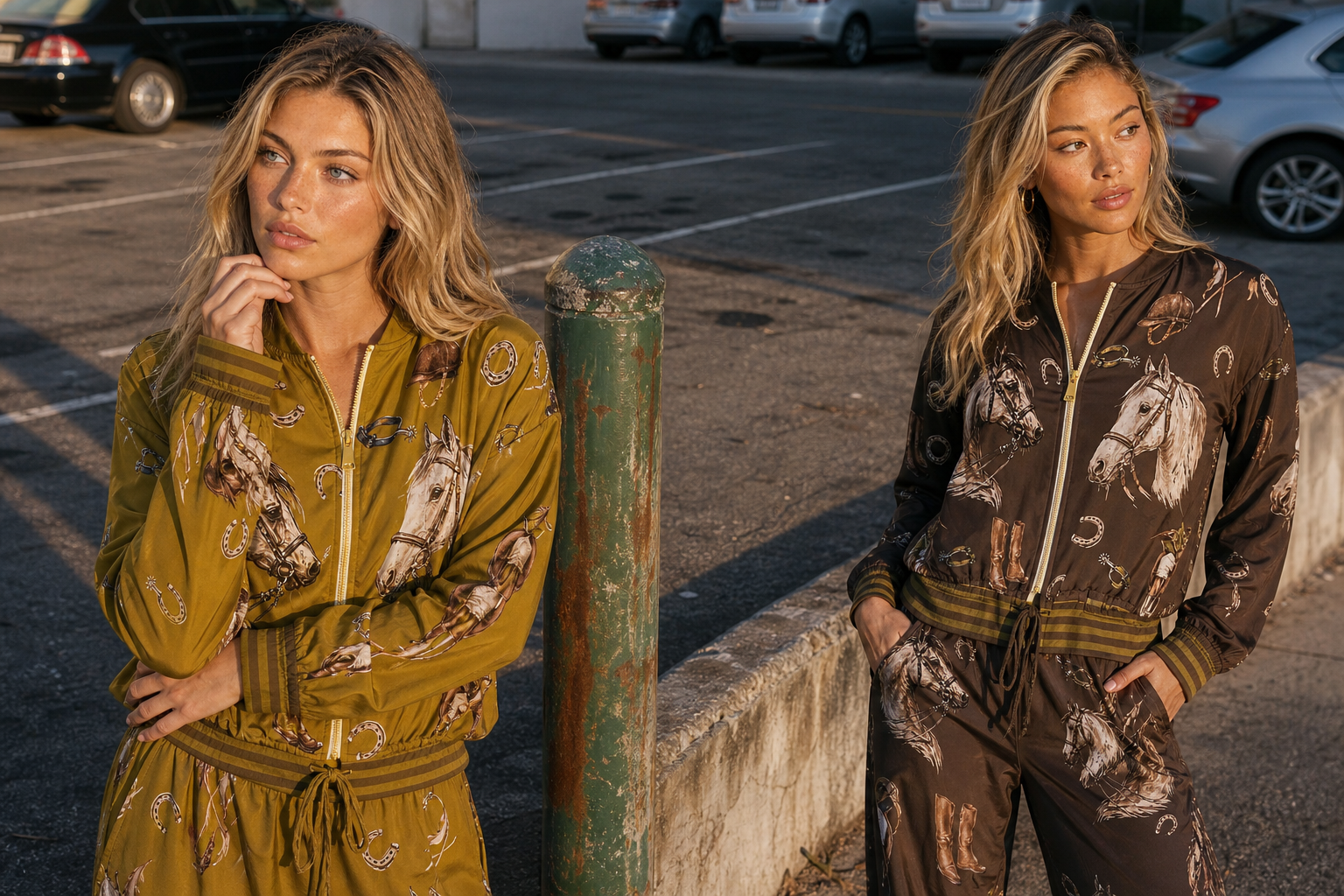
Beyond Color: The Importance of Variant Image Consistency
While color accuracy is paramount, the concept of consistent product variant images extends to all visual aspects when a shopper selects a different option. This includes:
- Texture and Pattern: For items with texture (denim washes, wood grains, metallic finishes) or patterns (tartan, multi-color prints), a plain hex code swatch isn't enough. Photographic swatches, which are small crops of the real surface, are essential to convey these details accurately.
- Lighting and Angle: When a shopper selects a different color, the main product image gallery should update to show that exact color, ideally photographed under identical lighting conditions and from consistent angles. Auto settings on cameras can shift between a black and a white version of the same item, leading to inconsistencies.
- Platform-Specific Requirements: E-commerce platforms like Shopify, Amazon, Shopee, Lazada, Etsy, and eBay each have unique rules for variant images and swatches. Some require a dedicated swatch image, others reuse the main product photo, and some reject listings if one option is missing its picture. A robust workflow ensures that one set of files can be prepared to cover all these diverse requirements.
For example, Shopee and Lazada have an "all or nothing" rule: if you add an image to one option, you must add one to every option. This highlights the need for a comprehensive approach to variant imagery, ensuring no option is left without its corresponding visual.

Building Trust and Driving Growth with Flashlook
At Flashlook, we understand the critical role that consistent product variant images play in e-commerce success. Our AI-powered platform is designed to help fashion brands overcome the challenges of visual inconsistency, offering solutions that ensure every colorway is represented with stunning accuracy and uniformity.
By providing virtual models and automated image generation, Flashlook enables brands to:
- Generate High-Quality Imagery at Scale: Produce thousands of on-model product shots for every colorway without the logistical complexities and costs of traditional photoshoots.
- Ensure Color Accuracy: Leverage advanced AI to maintain precise color profiles across all variants, minimizing discrepancies between digital images and physical products.
- Streamline Workflows: Automate the creation of diverse variant images, from full-size product photos to small swatches, tailored to various marketplace specifications.
- Reduce Returns: Drastically cut down on "wrong color" returns by providing shoppers with true-to-life visual representations of every product option.
- Build Customer Trust: Foster confidence and loyalty by consistently delivering on visual expectations, leading to more positive reviews and repeat purchases.
In a world where 58% of consumers would not make future purchases after experiencing color inconsistencies, the investment in accurate and consistent product variant images is not just about reducing returns; it's about safeguarding brand equity and fueling long-term growth. Flashlook empowers fashion brands to present their collections in their true colors, ensuring every click leads to a confident purchase, not a return.
Frequently Asked Questions
Q: What are consistent product variant images?
A: Consistent product variant images are product photos that accurately and uniformly display all available variations (like different colors, patterns, or materials) of a single product. When a customer selects a specific variant, the corresponding image gallery should update to show that exact variant, maintaining consistent lighting, angles, and color accuracy across all options.
Q: Why are consistent product variant images important for e-commerce?
A: They are crucial for several reasons: reducing return rates (especially for "wrong color" items), building customer trust, setting accurate expectations, improving conversion rates, and enhancing the overall shopping experience. Inconsistent images can lead to customer disappointment and costly returns.
Q: How does color accuracy impact returns in fashion e-commerce?
A: Color accuracy directly impacts returns. If the color of a garment in an online image doesn't match the physical product received by the customer, it creates an expectation gap. This mismatch is a common reason for returns, leading to increased operational costs and customer dissatisfaction.
Q: Can AI help ensure consistent product variant images?
A: Yes, AI tools are highly effective. Automated visual engines can apply standardized color profiles, maintain consistent lighting and angles across thousands of SKUs, and generate accurate variant images at scale. This eliminates manual bottlenecks and significantly improves color and visual consistency.
Q: What is the difference between a color swatch and a variant image?
A: A color swatch is a small visual element (often a circle or square) in a variant picker, designed to help shoppers quickly distinguish between options. A variant image is a full-size product photo linked to a specific option, which appears in the main gallery when that option is selected. Swatches are for quick selection, while variant images provide detailed visual representation.
Q: What steps can brands take to improve variant image consistency?
A: Brands should establish master color references, use calibrated photography equipment, implement standardized color-managed workflows, utilize AI-powered image generation, and ensure images comply with specific marketplace requirements. Regularly checking images on multiple devices is also recommended.
Consistent AI fashion models for catalog and UGC. Open Studio · Browse AI Fashion models