 FLASHLOOK.AI
Navigating AI Model Release: Commercial Rights in Fashion Photography
Discover how AI models revolutionize fashion photography by simplifying model release complexities, and understand the crucial commercial rights and legal considerations for brands using AI-generated imagery.
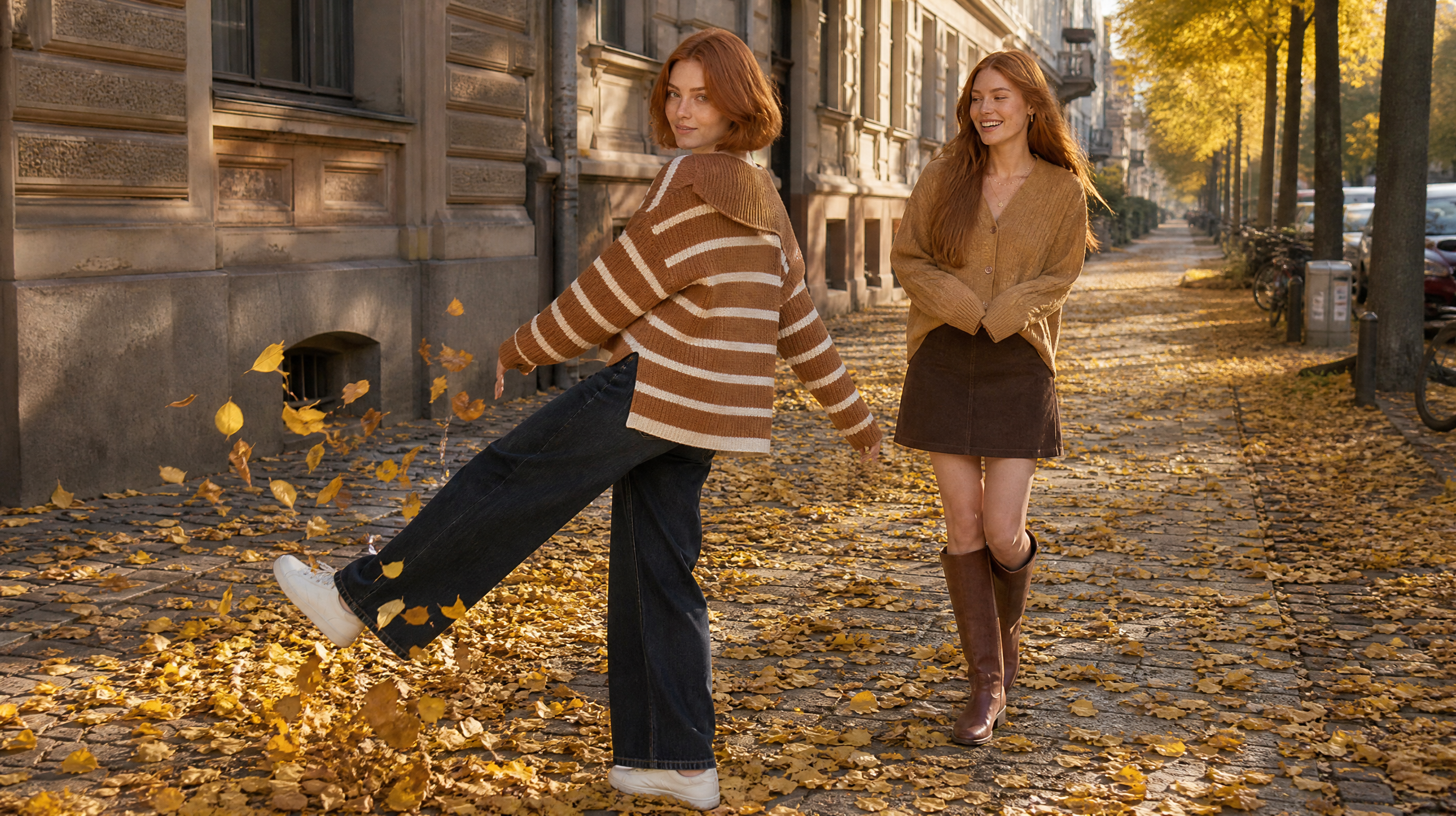
The landscape of fashion photography is undergoing a profound transformation, driven by the advent of artificial intelligence. While AI-generated imagery offers unprecedented creative freedom and efficiency, it also introduces a new set of legal and ethical considerations, particularly concerning model releases and commercial rights. For brands embracing virtual models, understanding the nuances of AI model release commercial rights is paramount to ensure compliance and mitigate risks.
The Traditional Model Release: A Foundation for Rights
In traditional fashion photography, a model release is a non-negotiable legal document. It's a signed agreement from a human subject, granting a photographer or brand explicit permission to use their likeness for specified commercial purposes. This typically includes publication on product pages, advertising campaigns, social media, and print materials, often defining terms around territory, duration, and media types. Without a valid release, using a recognizable person's image to sell products can expose a brand to claims related to publicity and privacy rights.
For fashion brands, the model release serves as a vital safeguard. It legally documents the model's consent for commercial use and confirms their compensation, providing a defensible record for the brand. Managing these releases is a significant operational task, especially for brands with extensive product catalogs and global distribution. Each photoshoot generates paperwork that must be archived, linked to specific assets, and checked before images are deployed across new channels or markets. The administrative burden and potential legal repercussions of oversight make legal teams cautious about reusing older imagery.
How AI-Generated Models Simplify the Release Process
One of the most compelling advantages of using AI-generated models in fashion photography is the substantial reduction, and often elimination, of the traditional model release burden. When the person depicted in a product image is a fully synthetic creation, not corresponding to any identifiable real individual, the core legal challenge of likeness rights largely dissipates. There is no human subject whose publicity or privacy rights are engaged, as no actual person was photographed or recognizably portrayed.
This shift removes the need to collect, store, and meticulously track signed releases for every individual appearing in catalog imagery. Brands can reuse and repurpose their AI-generated model imagery across various regions and platforms with unprecedented flexibility, without the constant need to re-check consent terms. This administrative simplification is a game-changer for fast-moving e-commerce operations, allowing for quicker content deployment and reduced operational overhead.
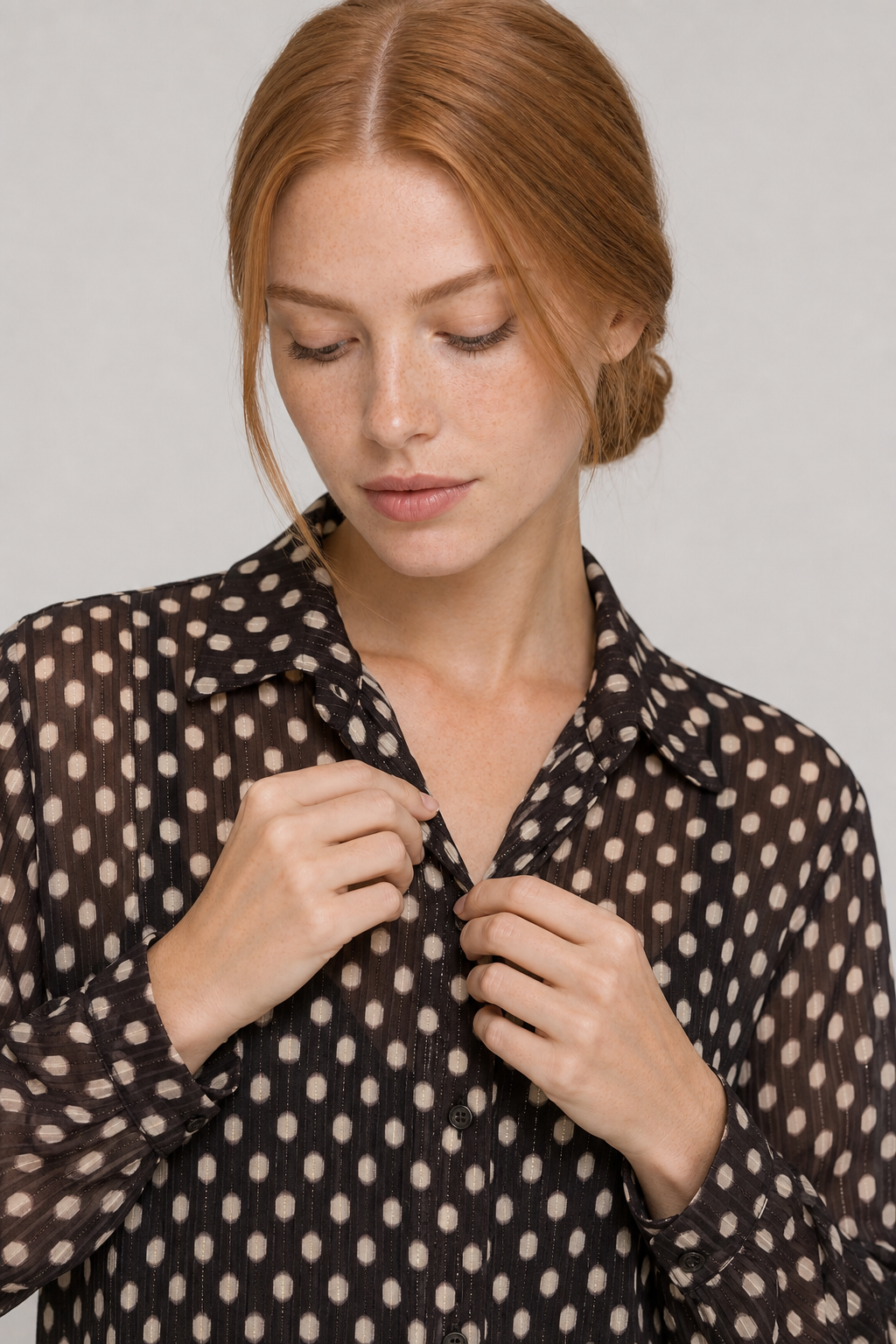
Navigating Likeness Rights with AI Models
While fully synthetic AI models mitigate the need for human model releases, brands must still exercise diligence regarding likeness rights. The key question is whether the AI-generated image contains an identifiable person's likeness. If an AI was trained on, or prompted with, a specific real person's image, and the output is recognizably that individual, then likeness rights still apply. This is where the provenance of the AI tool's training data becomes critical.
Fashion brands typically work with AI-generated person imagery across three layers, each with varying consent requirements and risk profiles:
- Fully Synthetic Platform Models: The AI generates a person who does not correspond to any real individual. This carries the lowest likeness risk, as no actual person's rights are implicated.
- AI-Generated Images from Real References: These images start from a real reference photograph (e.g., the brand's own model or a stock-licensed person). Here, the consent chain back to the original real person must be intact and explicitly permit commercial use of derivative AI-generated imagery.
- AI-Generated Likeness of Public Figures or Uncontracted Persons: This is the highest-risk scenario and should generally be avoided. Replicating the likeness of a public figure or any real person without explicit consent can lead to significant legal exposure.
For brands using their own real model imagery as input for AI tools, it's crucial that the original model release contract explicitly authorizes AI-generated derivative use. Most pre-2024 model releases did not anticipate this, and updating these templates is essential to cover new usage categories like AI-generated video and synthetic adaptations.
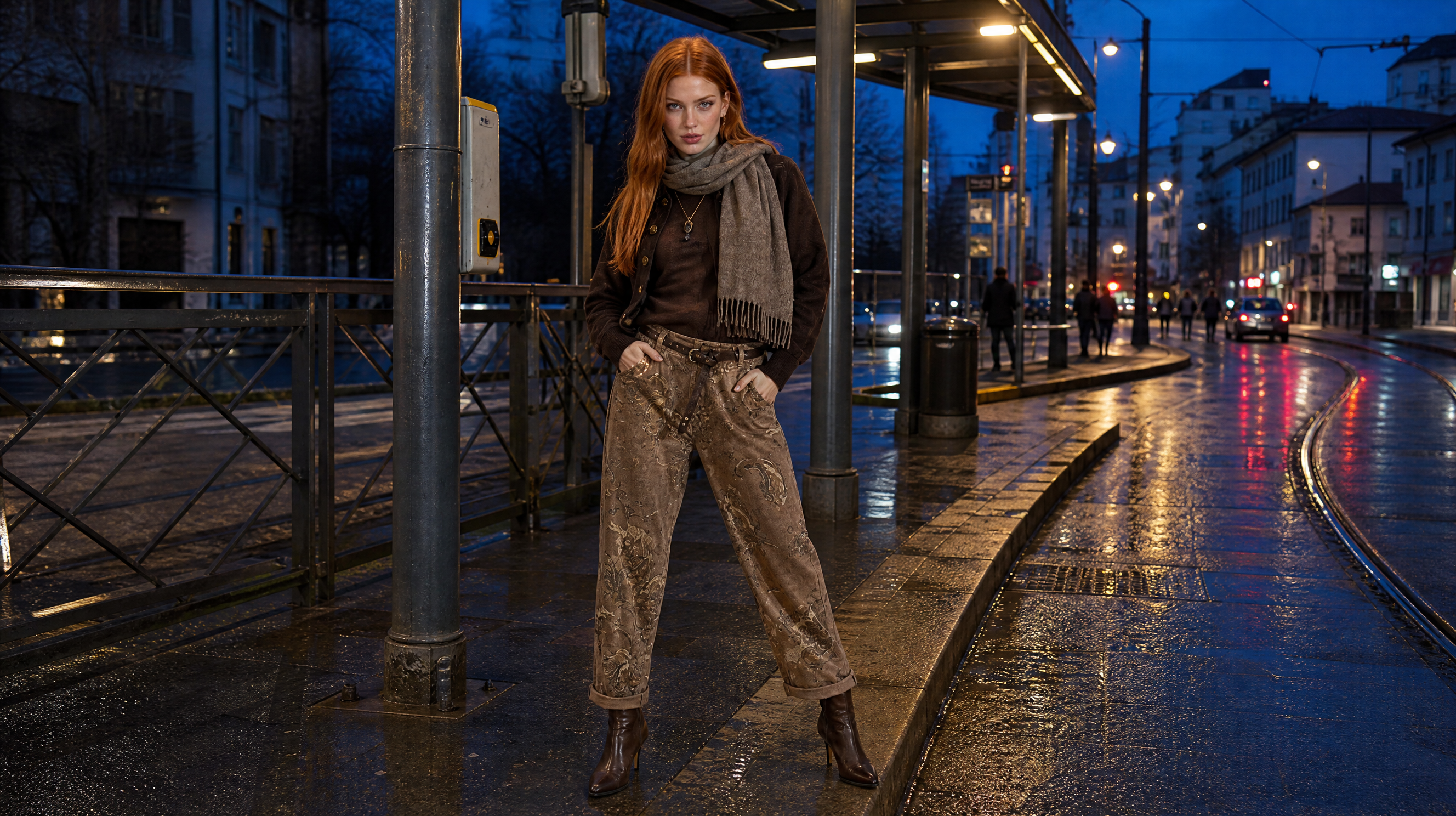
Commercial Use AI Fashion Photos: Licensing and Ownership
Beyond likeness rights, brands must secure clear commercial use AI fashion photos licenses for the generated content itself. When engaging with third-party AI image platforms, several contractual points demand close attention:
- Training Data Provenance: Brands should verify that the AI tool's training data was ethically sourced and properly licensed. Reputable platforms provide documentation on this. Flashlook, for instance, ensures its training data is curated separately and never uses customer uploads for training, safeguarding client privacy.
- Output Ownership: Clarify who owns the generated images or videos. Some platforms retain a license to reuse outputs, while others assign full ownership to the customer. This impacts your ability to freely use and monetize the content.
- Indemnification Clauses: Understand if the AI platform indemnifies you against claims that a third party's likeness was used without consent in the training data. This can significantly affect your legal exposure.
For optimal flexibility and reduced risk, choosing platforms that generate entirely synthetic, non-identifiable AI models is often the safest route for most fashion sellers. These platforms typically grant a clear commercial license for the images created, removing the primary likeness risk associated with real individuals.
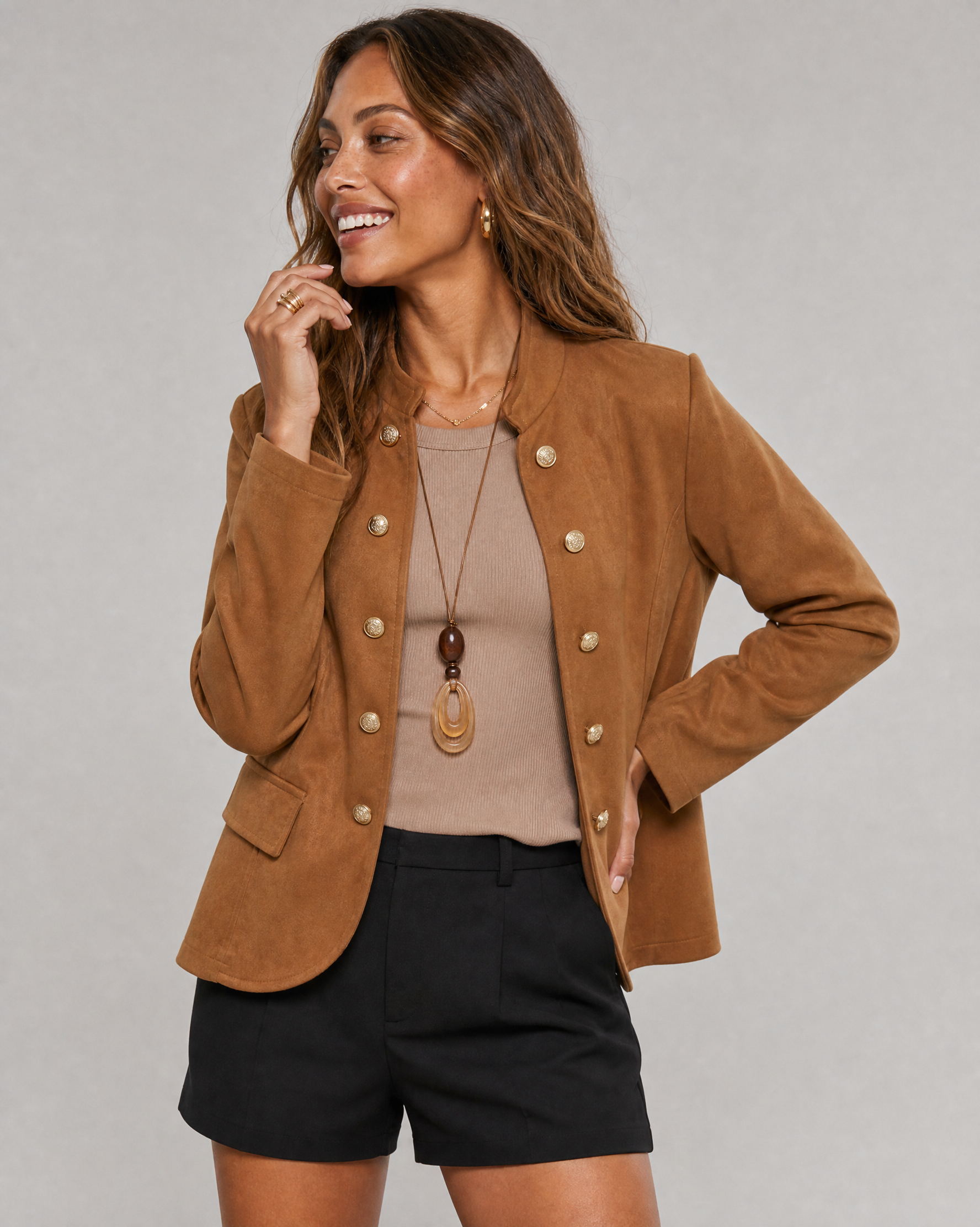
The Evolving Regulatory Landscape: Disclosure and Consumer Protection
The legal framework surrounding AI-generated content is rapidly evolving, with new regulations emerging globally. Disclosure duties are becoming increasingly important, particularly for content that could be considered a
FAQ
What is an AI model release, and why is it different from a traditional model release?
An AI model release refers to the legal framework governing the commercial use of images featuring AI-generated models. Unlike traditional model releases, which are signed agreements from human subjects granting permission for their likeness to be used, AI models typically do not represent identifiable real individuals. This largely removes the need for individual consent forms, simplifying legal processes for brands.
Do I still need a model release if I use AI to modify a photo of a real person?
Yes, if your AI-generated image started from a photograph of a real, identifiable person, you absolutely still need a model release. The original model release must explicitly authorize the use of their likeness as input for AI tools and for the creation of derivative AI-generated imagery. Most older model releases do not cover this, requiring updates.
Who owns the commercial rights to AI-generated fashion photos?
The ownership of commercial rights for AI-generated fashion photos depends heavily on the terms of service of the AI tool or platform used. Some platforms assign full ownership to the customer, while others may retain a license to reuse the outputs. It's crucial for brands to review these agreements carefully before use to ensure they have the necessary commercial rights.
How do AI models help reduce legal risks for fashion brands?
AI models, particularly fully synthetic ones that do not depict any real individual, significantly reduce legal risks by eliminating the complex issues surrounding human likeness rights, privacy, and publicity. This means brands don't need to track individual model releases, simplifying compliance and allowing for greater flexibility in content reuse across different channels and territories.
What should brands look for in an AI fashion photography platform regarding legal compliance?
Brands should seek platforms that offer fully synthetic models not based on real individuals. Key considerations include transparent policies on training data provenance (ensuring ethical sourcing and proper licensing), clear commercial licensing terms for generated outputs, and robust indemnification clauses. Providers like Flashlook prioritize these aspects to offer secure and compliant solutions.
Are there disclosure requirements for AI-generated fashion imagery?
Yes, disclosure requirements for AI-generated content are an emerging area of law, with regulations like Article 50 of the EU AI Act coming into effect. Brands should track these evolving regulations in jurisdictions where they publish content. It's often advisable to adopt a consistent practice of clearly disclosing AI-generated or manipulated images, even on platforms where it's not yet explicitly mandated, to build trust and comply with future standards.
Consistent AI fashion models for catalog and UGC. Open Studio · Browse AI Fashion models