 FLASHLOOK.AI
Flashlook vs. Rawshot: A Comparison for Consistent Catalog Photography
Exploring the differences between Flashlook and Rawshot for fashion brands seeking AI-powered on-model catalog photography. We compare features, pricing, and suitability for maintaining brand consistency across seasons.

In the rapidly evolving world of AI fashion photography, brands have more options than ever to generate stunning on-model content without the traditional complexities and costs. Two prominent platforms, Flashlook and Rawshot, offer distinct approaches to this challenge. While both leverage artificial intelligence to create fashion imagery, their strengths and ideal use cases differ, particularly when it comes to the crucial need for consistency in catalog photography.
This article delves into how Flashlook stands as a compelling Rawshot alternative for brands prioritizing repeatable model identities and streamlined catalog production. We'll explore their core offerings, pricing structures, and unique features to help you determine which platform best aligns with your brand's vision and operational needs.
Understanding Rawshot: Art-Directed Fashion Shoots
Rawshot (rawshot.ai) positions itself as an EU-hosted AI photo studio, offering fashion brands extensive control over the creative direction of their shoots. Their platform is designed for those who desire a hands-on approach to styling, lighting, framing, and posing, effectively acting as an art-directed fashion studio in the cloud.
Rawshot's Core Strengths:
- Extensive Model Library: Rawshot boasts a library of over 1,000 license-free synthetic models, providing a vast array of choices for diverse campaigns. They also offer a private model builder for more tailored needs.
- Granular Art Direction: Users can exert fine control over various elements of a shoot, including scene settings, lighting conditions, camera framing, and model poses. This allows for highly customized and unique visual outcomes for each project.
- Motion Clips and QC: Beyond still images, Rawshot can generate motion clips from finished images, adding a dynamic element to campaigns. They also include automatic quality control regeneration, aiming to ensure high-standard outputs.
Potential Limitations of Rawshot:
- Model Consistency: One key aspect for catalog photography is maintaining a consistent model identity across multiple shoots and collections. Rawshot's current limitation is that model configurations cannot yet be saved for reuse in a later shoot. This means that while you can achieve highly art-directed results for a single shoot, ensuring the exact same model appears identically in a subsequent campaign might require recreating settings from scratch.
- Integration and Access: Rawshot does not currently offer a public API or a Marketing Cloud Platform (MCP), which could be a consideration for brands looking for deeper integration with their existing e-commerce or marketing systems.
- Trial Period: Access to the platform begins with a 7-day trial, after which paid plans start from $9/month.
Flashlook: The Catalog Consistency Champion
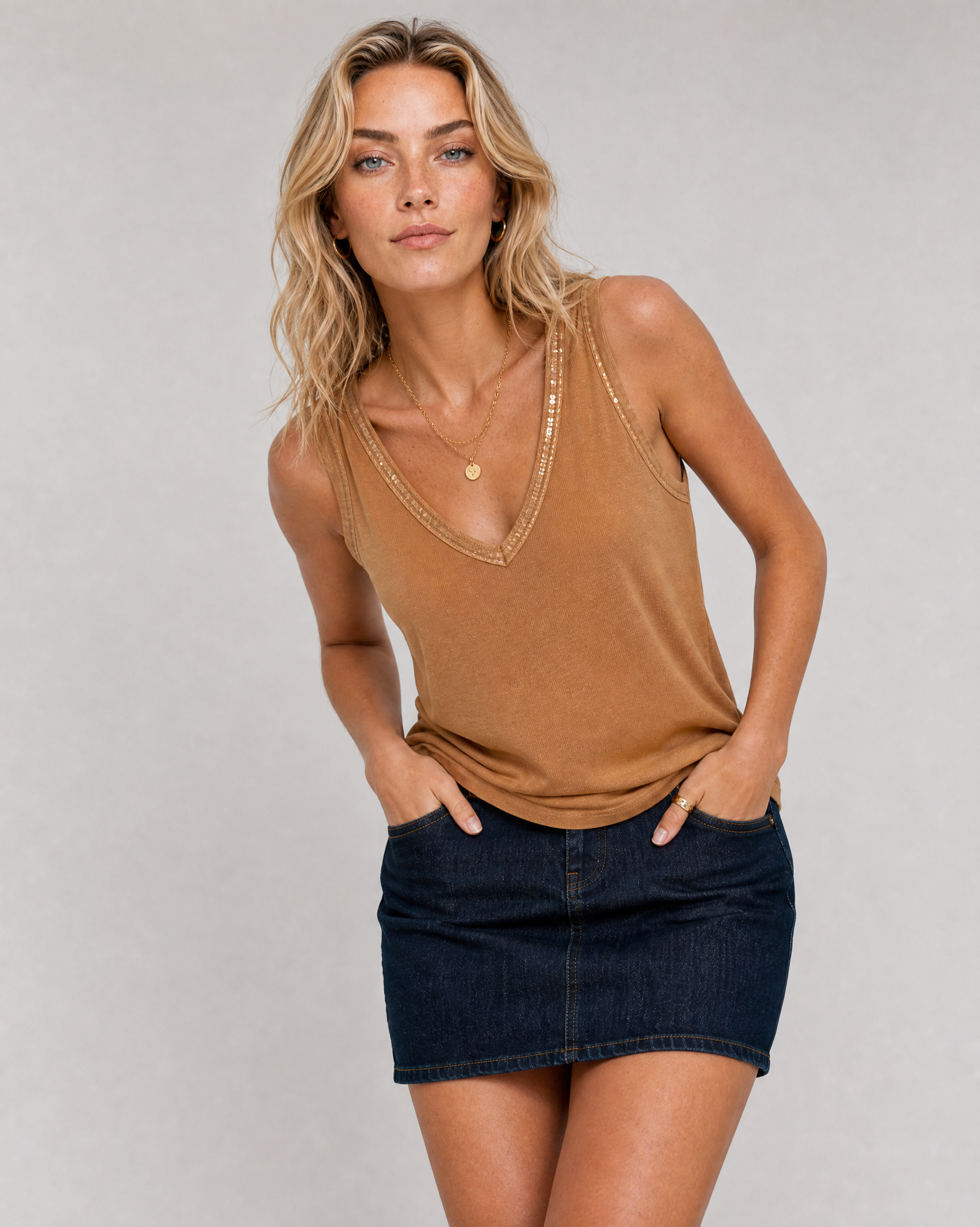
Flashlook approaches AI fashion photography with a strong emphasis on consistency, scalability, and integration, making it a powerful rawshot.ai alternative for brands focused on high-volume, consistent catalog production. Flashlook provides locked-identity AI fashion models, ensuring that once you select a model, they can be reused across every season and collection, maintaining brand familiarity and cohesion.
Flashlook's Core Strengths:
- Persistent Model Identities: Flashlook's standout feature is the ability to save and lock models. This means the same AI model, with their unique characteristics, can be consistently used across endless shoots, collections, and marketing materials. This is invaluable for brand recognition and maintaining a uniform aesthetic in your digital lookbooks and product pages.
- Scalable Catalog Production: With its focus on repeatable processes, Flashlook is built for efficiency. The platform offers an Atelier for generating stills and short videos, a custom builder, and photo upload capabilities to streamline content creation.
- Robust Integration Options: Flashlook understands the need for seamless workflows. It offers a public API, a Marketing Cloud Platform (MCP), and a dedicated Shopify App Store app. These integrations are available on every plan, including the free tier, enabling brands to automate and scale their content generation directly within their existing e-commerce ecosystems.
- Accessible Entry Point: Flashlook provides an ongoing free tier, including 600 credits upon signup, allowing brands to explore the platform's capabilities without an immediate financial commitment. Paid plans start from $19/month for those requiring more extensive usage.
Flashlook's Focus:
Flashlook excels where consistent model representation and efficient, integrated workflows are paramount. It's designed for brands that need to produce large volumes of on-model product shots with the assurance that their chosen models will look identical across all their visual assets. This makes it particularly well-suited for:
- E-commerce brands requiring consistent product imagery.
- Fashion houses launching new collections regularly.
- Any brand aiming for a cohesive visual identity across all digital touchpoints.
Key Differences and Use Cases
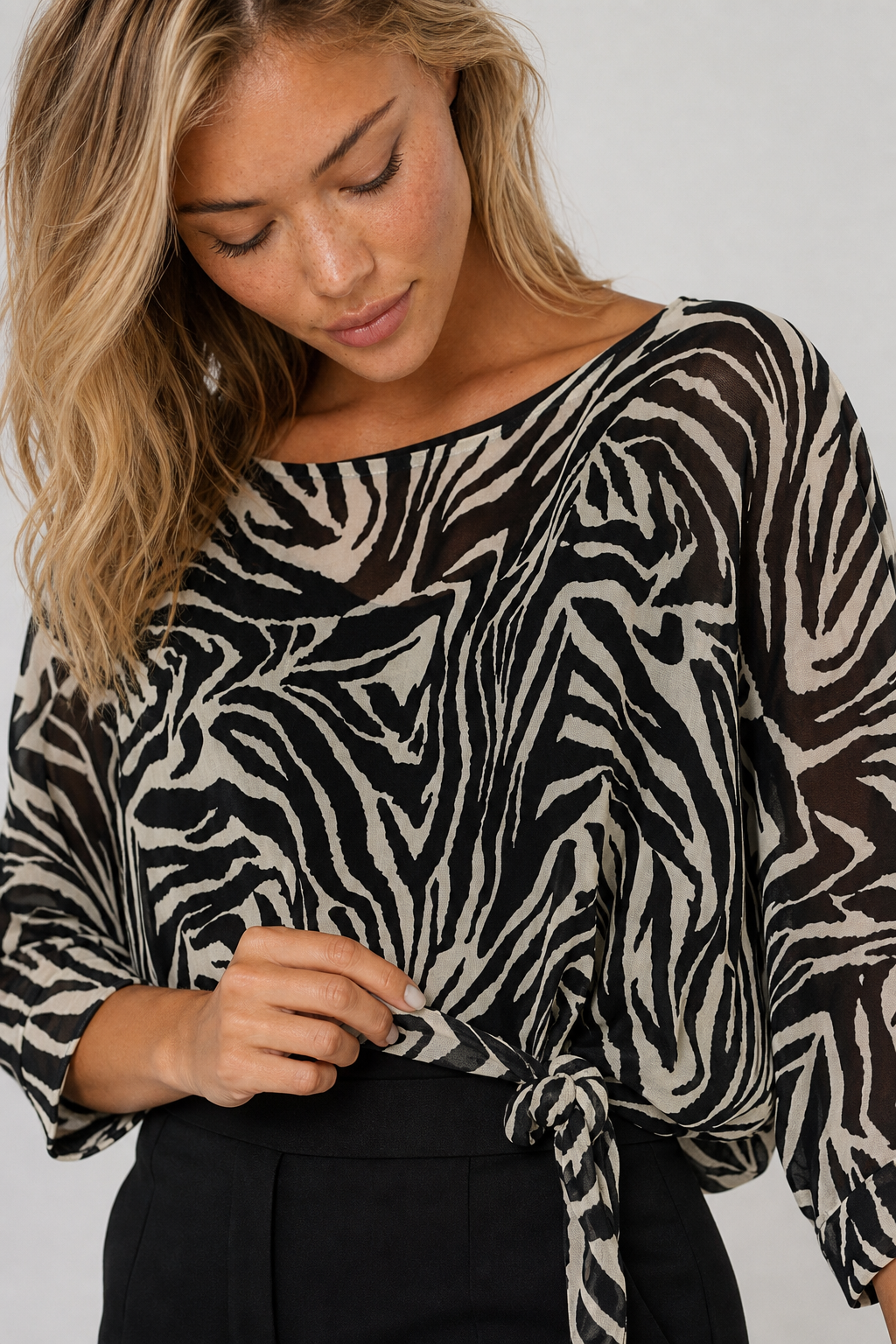
The fundamental difference between Flashlook and Rawshot lies in their primary focus. Rawshot prioritizes individual shoot art direction, offering extensive creative control for unique, one-off campaigns or highly varied editorial content. Flashlook, conversely, prioritizes model consistency and scalable production, making it ideal for maintaining a unified brand image across extensive product catalogs.
| Feature/Aspect | Rawshot | Flashlook |
|---|---|---|
| Model Consistency | Model configurations cannot be saved for reuse | Saved, locked models for reuse across seasons |
| Art Direction | Granular control over scene, light, pose | Custom builder, focus on consistent model identity |
| Integration | No public API or MCP | Public API, MCP, Shopify App |
| Free Access | 7-day trial | Ongoing free tier (600 credits) |
| Starting Price | From $9/month | From $19/month (after free tier) |
For a more detailed comparison, including a full scored table and additional insights, please visit our benchmark page.
Choosing the Right AI Fashion Photography Platform
The decision between Flashlook and Rawshot ultimately depends on your brand's specific needs and priorities.
If your brand thrives on highly individualized, art-directed shoots where each campaign might feature a different aesthetic or model, and the primary goal is unique visual storytelling for each project, Rawshot's granular controls might be more appealing. Its extensive library and fine-tuned creative options cater to a bespoke approach to fashion photography.
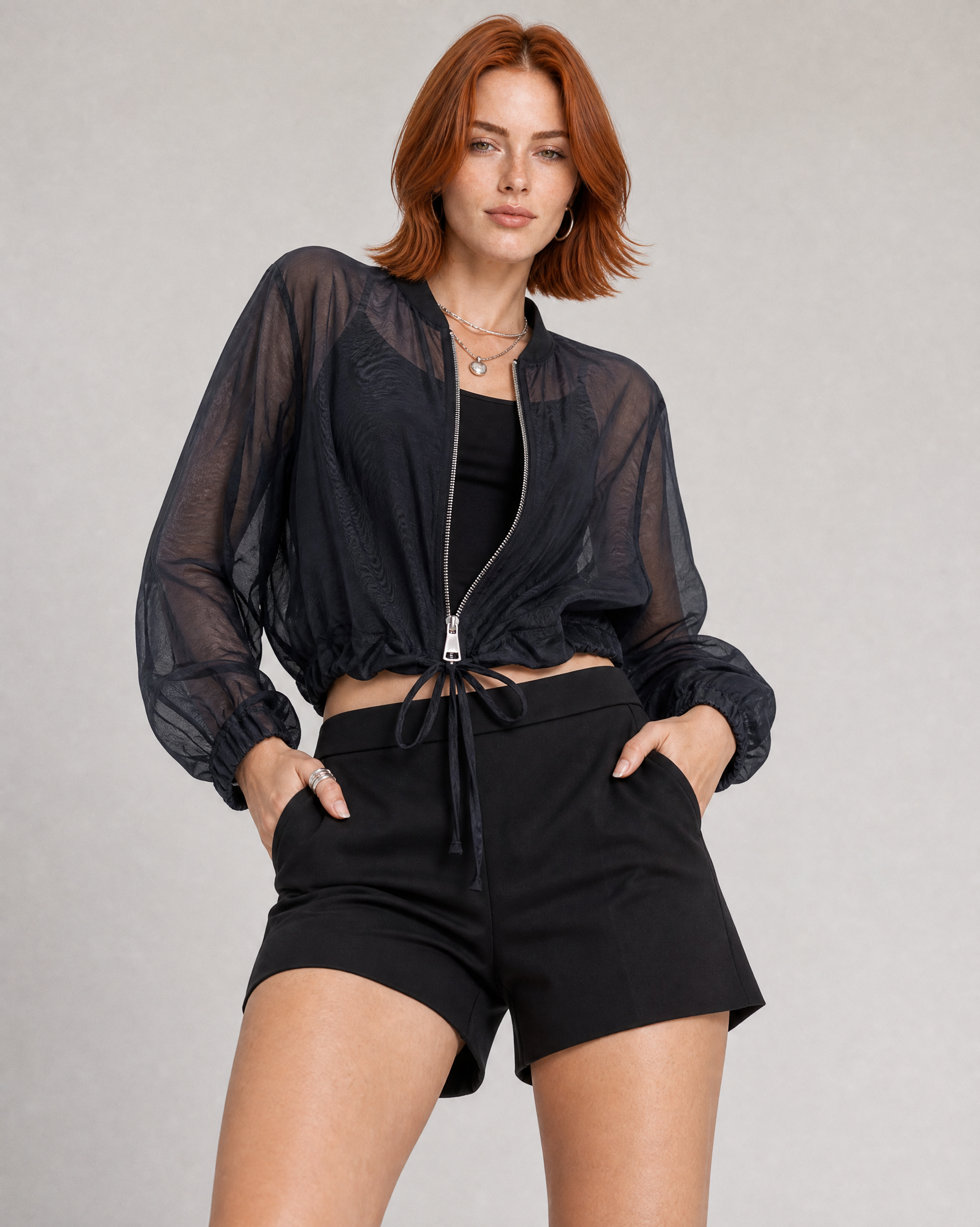
However, if your brand's core requirement is to maintain a consistent visual identity across all your product offerings, ensuring that your models are instantly recognizable and uniform across seasons and collections, then Flashlook emerges as a powerful solution. Its ability to lock model identities, coupled with robust integration options like its Shopify app and API, makes it an efficient engine for scalable catalog production. The ongoing free tier also provides an excellent opportunity to experience Flashlook's capabilities firsthand before committing to a paid plan, which you can explore further on our pricing page.
In conclusion, while both platforms represent significant advancements in AI fashion photography, Flashlook's emphasis on model consistency and seamless integration positions it as an ideal AI fashion photography comparison choice for brands prioritizing a cohesive and scalable approach to their on-model catalog content.
FAQ
What is the main difference between Flashlook and Rawshot?
The primary difference lies in model consistency. Flashlook allows you to save and reuse the exact same AI model across multiple shoots and seasons, ensuring a consistent brand identity. Rawshot, while offering extensive art direction, does not currently support saving model configurations for later reuse.
Which platform is better for consistent catalog photography?
Flashlook is generally better for consistent catalog photography due to its ability to lock and reuse specific AI model identities across all your collections and seasons, which is crucial for brand recognition and visual cohesion.
Do both platforms offer a free way to try them out?
Yes, but their free access differs. Rawshot offers a 7-day trial. Flashlook provides an ongoing free tier with 600 credits upon signup, allowing for more extended exploration of its features.
Can I integrate these platforms with my e-commerce store?
Flashlook offers robust integration options, including a public API, an MCP, and a Shopify App Store app. Rawshot does not currently offer a public API or MCP.
What kind of creative control do these platforms offer?
Rawshot provides granular art-direction controls over scene, light, framing, and pose for highly customized shoots. Flashlook focuses on consistent model identity and offers an Atelier for stills and short video, along with a custom builder for generating content.
Consistent AI fashion models for catalog and UGC. Open Studio · Browse AI Fashion models