 FLASHLOOK.AI
Flashlook vs. Lalaland: Choosing Your AI Fashion Photography Partner
Exploring Flashlook as a Lalaland alternative for on-model catalog photography, comparing their approaches to AI-generated fashion content.
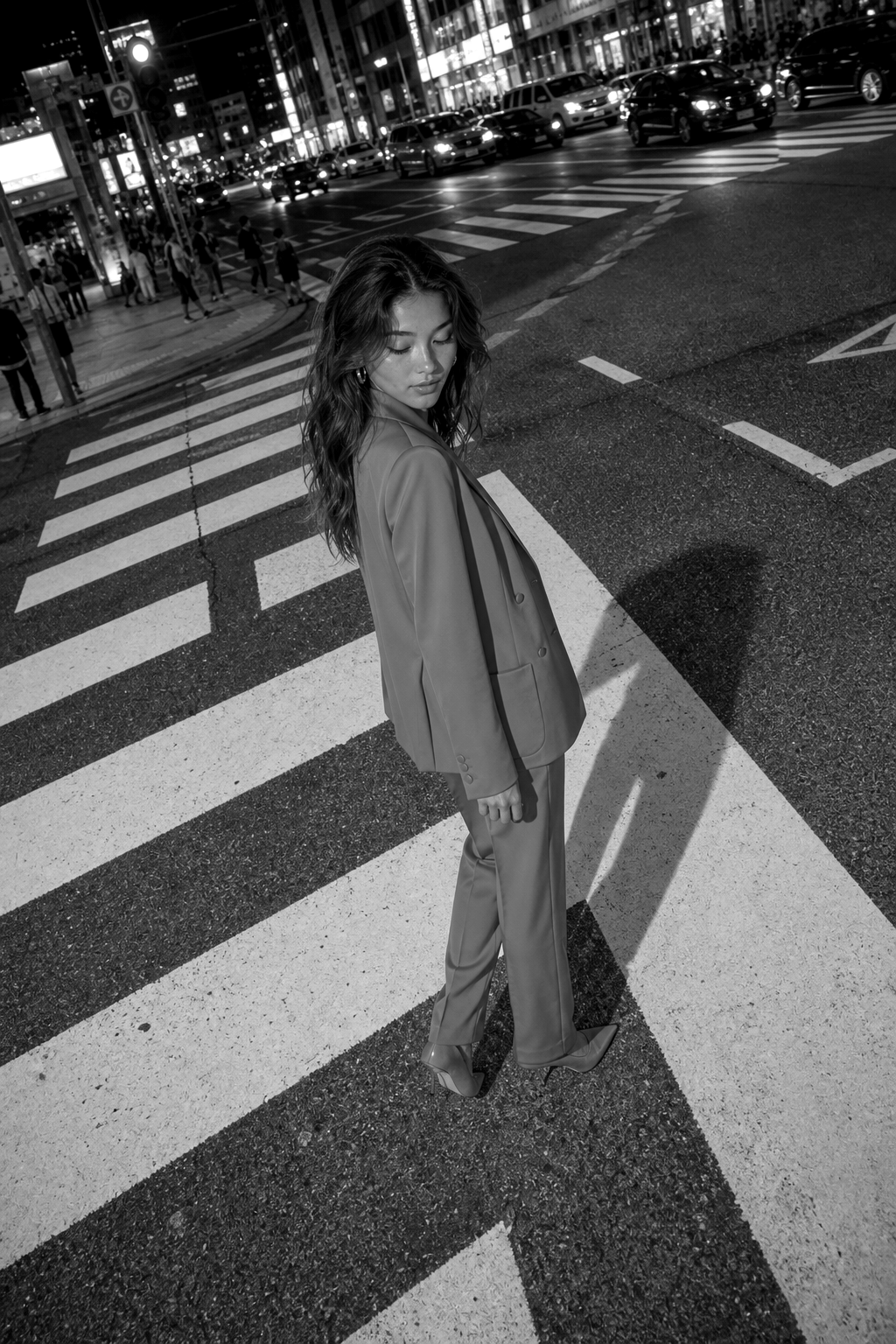
In the rapidly evolving world of fashion photography, artificial intelligence is transforming how brands create visual content. From virtual models to entirely digital lookbooks, AI offers unprecedented efficiency and creative freedom. When considering an AI solution for on-model catalog photography, two names often come up: Flashlook and Lalaland. While both leverage AI, their approaches, target users, and workflows present distinct choices for fashion brands.
This article delves into how Flashlook compares with Lalaland, especially for businesses focused on generating consistent, high-quality on-model imagery for their product catalogs. For a comprehensive scored comparison, you can visit our dedicated Flashlook vs. Lalaland benchmark page, and a full feature table is available on our main benchmark page.
Lalaland: An Enterprise 3D Avatar Solution
Lalaland.ai has established itself as a significant player in the synthetic model space, particularly within the enterprise sector. Their core offering revolves around a diverse library of synthetic models, which are essentially 3D avatars. Lalaland's primary strength lies in its integration into existing 3D fashion design pipelines.
Strengths of Lalaland
- Strong Model Diversity and Appearance Controls: Lalaland offers a wide range of synthetic models with robust controls over their appearance, allowing for significant customization to match various brand aesthetics and target demographics.
- Fits a Browzwear / 3D Apparel Design Pipeline: A key advantage for specific enterprise users is Lalaland's integration with Browzwear, a leading 3D fashion design software. This makes it a natural fit for companies already utilizing a 3D garment design workflow, enabling them to visualize their digital designs on virtual models seamlessly.
- Long-Standing Brand in Synthetic Casting: Lalaland has been a recognized name in the synthetic model industry for some time, building a reputation for its capabilities in virtual casting.
Limitations of Lalaland
While powerful for its intended audience, Lalaland's current offering presents certain limitations for brands seeking a more direct, photography-centric solution:
- No Longer a Self-Serve Photography Product: Lalaland has evolved away from being a direct self-serve platform for generating product photos. Its current focus is on enterprise solutions, often requiring a more involved integration process.
- Demo-First Enterprise Procurement, No Public Pricing: Accessing Lalaland typically involves a demo-first approach, catering to enterprise clients. Public pricing information is not readily available, indicating a tailored sales process rather than a transparent, self-service model.
- Built Around 3D Garment Files Rather Than Product Photos: Crucially, Lalaland's workflow is designed to work with 3D garment files. This means that brands need to have their products digitized into 3D models before they can be placed on Lalaland's avatars. For many businesses, especially those without an established 3D design pipeline, this represents an additional, potentially complex, step.
Flashlook: AI Fashion Photography for All
Flashlook offers a different paradigm, focusing on making AI fashion photography accessible and efficient for a broader range of businesses, from startups to larger enterprises. Flashlook is designed to streamline the process of creating on-model product imagery directly from standard product photos.
Flashlook's Approach and Advantages
Flashlook distinguishes itself by prioritizing ease of use, speed, and direct integration with existing photography workflows.
- Sign Up and Shoot Today - No Demo Call or 3D Pipeline Required: One of Flashlook's most significant advantages is its immediate accessibility. Brands can sign up and start creating content without needing a demo call or requiring a complex 3D design pipeline. This self-serve model empowers users to take control of their content creation instantly.
- Works From Ordinary Product Photos, Not 3D Garment Files: Unlike solutions that require 3D garment files, Flashlook operates directly from standard product photos. Users simply upload their existing product images, and Flashlook's AI places them on our models. This eliminates the need for expensive 3D modeling and integrates seamlessly into traditional photography workflows.
- Stills and Video From the Same Locked Model: Consistency is key in catalog photography. Flashlook allows brands to generate both still images and short video clips using the same AI-generated model, ensuring a cohesive visual identity across all content. This locked-identity feature is crucial for maintaining brand recognition and reducing visual discrepancies.
- Locked-Identity AI Fashion Models: Flashlook's core technology ensures that once a model is chosen, their identity remains consistent across all generated images and videos. This provides the reliability and uniformity essential for professional product catalogs.
- Atelier Stills and Short Video: Flashlook's Atelier offers a robust environment for creating high-quality stills and short videos, providing brands with versatile content options for various platforms.
- Custom Builder and Photo Upload: The platform includes a custom builder, allowing users to fine-tune their creative output, combined with an intuitive photo upload system.
- Public Model Roster: Flashlook provides a public roster of AI models, offering transparency and choice for brands selecting their virtual talent.
- Shopify App and MCP on Every Plan, REST API on Paid Plans: Flashlook integrates seamlessly with e-commerce platforms like Shopify through its dedicated app. Furthermore, Model Context Protocol (MCP) access is available on every plan, including the free tier, and a REST API on every paid plan, facilitating advanced integrations and workflow automation.
- Accessible Pricing and Free Credits: Flashlook offers a transparent pricing structure, with paid plans starting from $19/month. New users also receive 600 signup credits to explore the platform's capabilities without immediate financial commitment.
Choosing the Right AI Partner for Your Brand
The choice between Flashlook and Lalaland largely depends on your brand's existing infrastructure, workflow, and specific needs for on-model photography.
If your enterprise team is already deeply embedded in a Browzwear 3D workflow and requires a solution that integrates seamlessly with your 3D garment files, Lalaland presents a strong option. Its focus on enterprise-level 3D avatars and integration capabilities makes it suitable for highly specialized 3D design and visualization processes.
However, if your primary goal is to generate consistent, high-quality on-model catalog photography directly from your existing product photos, with an emphasis on speed, accessibility, and a self-serve model, Flashlook emerges as a compelling Lalaland alternative. Flashlook is designed for brands that want to bypass the complexities of 3D modeling and immediately leverage AI for their visual content creation, offering a flexible and scalable solution for both stills and video.
Ultimately, both platforms showcase the incredible potential of AI in fashion. Your decision will hinge on whether your brand prioritizes deep integration with a 3D design pipeline or a more direct, photography-focused approach to generating stunning on-model content.
Conclusion
Flashlook and Lalaland represent different facets of AI's application in fashion photography. Lalaland caters to a niche of enterprise users with established 3D design workflows, offering sophisticated 3D avatar solutions. Flashlook, on the other hand, provides an accessible, efficient, and photography-centric platform for creating on-model content from standard product images, making AI fashion photography attainable for a wider range of businesses. Understanding these distinctions is key to selecting the AI partner that best aligns with your brand's operational model and creative aspirations.
FAQ
What is the main difference between Flashlook and Lalaland?
Flashlook focuses on generating on-model stills and videos from ordinary product photos, offering a self-serve platform. Lalaland specializes in enterprise 3D avatars, primarily integrating with 3D garment design pipelines like Browzwear, and is not a self-serve photography product.
Do I need 3D garment files to use Flashlook?
No, Flashlook works directly from ordinary product photos. You simply upload your existing images, and the AI places them on virtual models. Lalaland, conversely, is built around 3D garment files.
Is Flashlook a good Lalaland alternative for small to medium businesses?
Yes, Flashlook is designed for immediate use, offering a self-serve platform, transparent pricing, and a focus on direct product photography, making it highly suitable for businesses of all sizes looking for an accessible AI fashion photography solution without needing a 3D pipeline.
Can I get both stills and video content from Flashlook?
Yes, Flashlook allows you to generate both high-quality stills and short video clips from the same locked AI model, ensuring consistent visual branding across your content.
How does Flashlook's pricing compare?
Flashlook offers transparent pricing with paid plans starting from $19/month, including 600 signup credits. Lalaland operates on an enterprise demo-only model with no public pricing available.
Consistent AI fashion models for catalog and UGC. Open Studio · Browse AI Fashion models